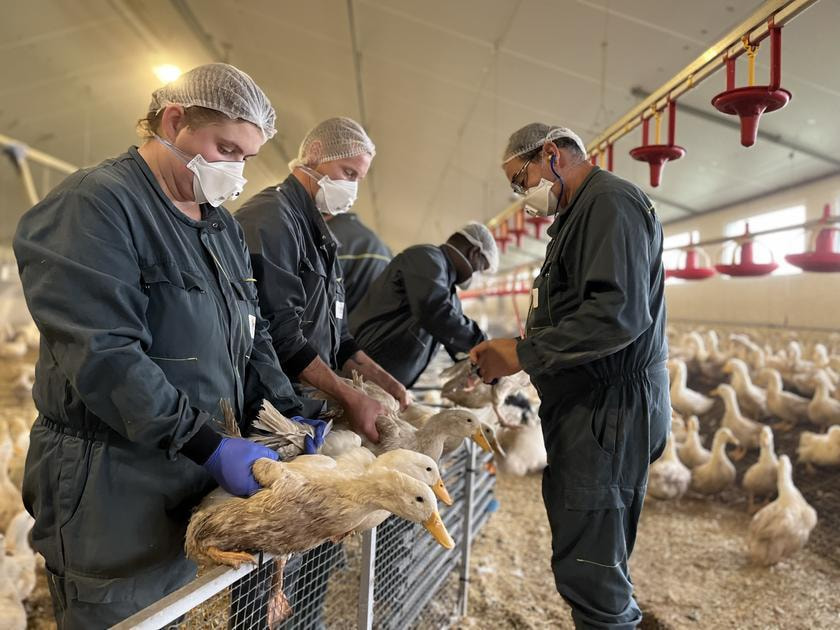
Toulouse: In the poultry sheds of south-west France, animal health has become a year-round anxiety rather than a winter scare. Repeated waves of avian influenza and the steady creep of bluetongue northward have pushed farmers and vets toward a strategy that once felt like a last resort: vaccinate first, cull later.
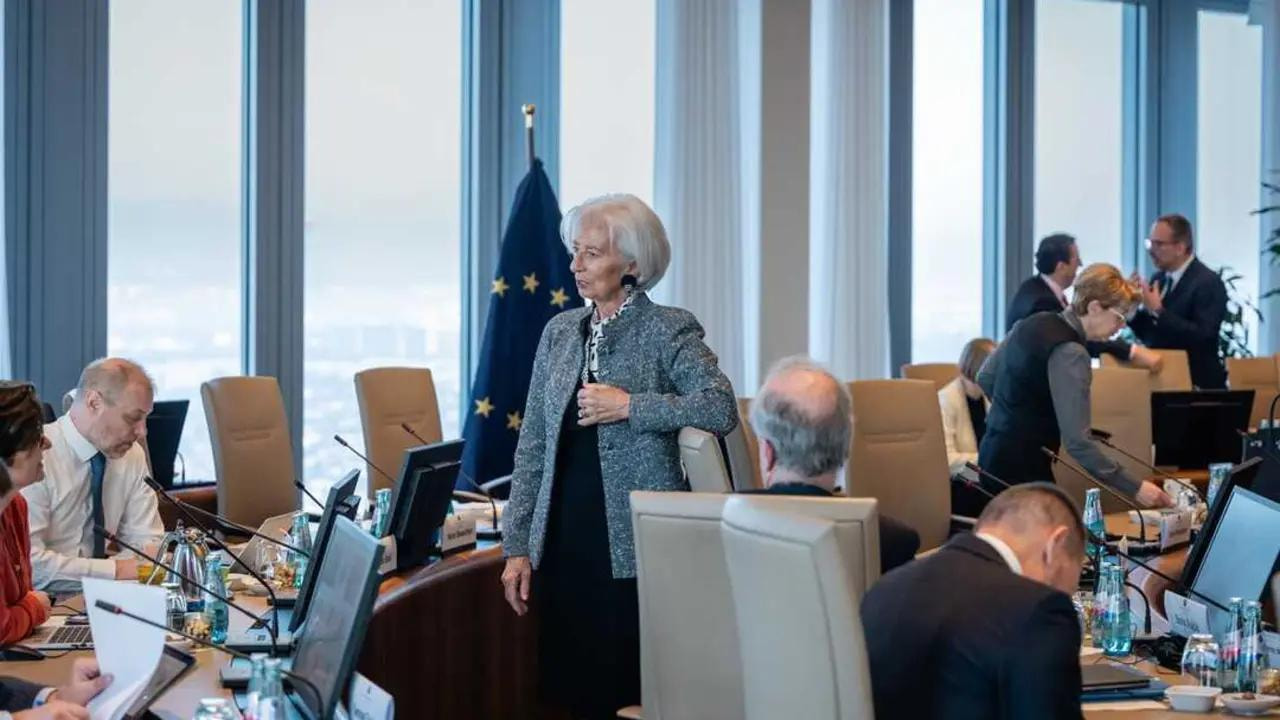
EU ministers returned to the question in early July, weighing how far the bloc’s animal health framework should tilt from stamping out outbreaks toward preventing them. A Council working document circulated on 6 July set out the case for wider preventive vaccination, backed by common rules so that a vaccinated flock in one country does not trigger a trade wall in another.
France has already shown what that shift looks like. Its national campaign to inoculate ducks against bird flu cut outbreaks sharply, and other capitals are now studying the results. The Commission has separately locked in vaccine supply, a signal that Europe expects to lean on the needle for years, not months.
Bluetongue adds a second front. The midge-borne virus, once confined to the south, has marched into herds across the continent, and new strains keep outrunning the vaccines built for the last ones. Farmers want faster authorisation of updated shots and clearer advice on which animals to protect, drawing on the Commission’s disease control guidance.
The tension runs through the whole debate. Vaccination keeps animals alive and farms trading, but it complicates the disease-free status that underpins exports. Get the rules wrong, industry groups warn, and a herd saved from culling could still be shut out of markets. Get them right, and Europe blunts the economic shock that a bad outbreak year delivers.
Vets on the ground are blunt about the stakes. Sector updates gathered by livestock groups in June described a calendar with no safe season, and pressed for tools that let them act before a virus arrives rather than after it spreads.
The economics sharpen the argument. A single severe influenza season can wipe out millions of birds, spike egg and poultry prices, and freeze exports worth billions, and each cull carries compensation costs that national treasuries ultimately shoulder. Preventive shots, farm economists note, look expensive until set against the bill for a mass slaughter, the lost trade that follows, and the months a devastated flock needs to recover.
Ministers made no final call this month, but the direction of travel is clear. Europe is rewriting its animal health playbook around prevention, and vaccination is moving from the margins to the centre of how the continent keeps its farms standing.