Solna: The European Centre for Disease Prevention and Control has rated the risk to Europe from Bundibugyo Ebola as very low, even as it sends experts to Nigeria to help contain imported cases. Two ECDC publications this week set out the agency’s reading of the threat and its plan to support national authorities.
The threat assessment brief, dated 23 October, counts nine cases in Kenya as of that date, including one death. Eight of those infections trace back to the first patient, who travelled from the Democratic Republic of the Congo through Uganda to Kenya. Nigeria has reported one case of Bundibugyo Ebola, and investigators are still working out where that person became infected.
ECDC separates the risk from Bundibugyo Ebola into steps. The likelihood of infection for people from Europe who live in or travel to affected areas is low, provided they follow precautions. The likelihood of onward spread after an imported case in the EU and European Economic Area is very low, and the overall risk to the bloc carries the same label.
The agency does not recommend travel restrictions to or from Kenya or Nigeria because of Bundibugyo Ebola. It advises travellers to follow guidance from local health authorities and urges EU countries to keep preparing for imported cases. That means raising awareness among health workers and making sure that hospitals and laboratories can identify and manage suspected patients.
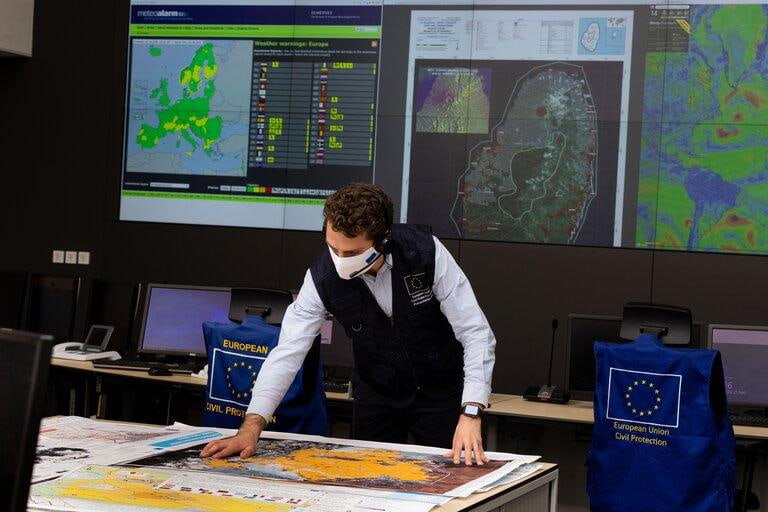
On 27 October ECDC announced that it would deploy a team to Nigeria that week, led by its senior expert in epidemic intelligence. The experts advise the EU Delegation in Abuja and offer support to Nigerian authorities on surveillance, contact tracing, infection prevention and control, and preparedness and response. The agency did not publish the size of the team.
The deployment builds on work that began when the Bundibugyo Ebola outbreak started in May 2026. ECDC sent its first experts to Africa CDC that month, ran a fact-finding mission in June on exit screening at airports in the Democratic Republic of the Congo and Uganda, and has also placed staff in South Sudan. The EU Health Task Force coordinates these missions, and partners include the European Commission, the World Health Organization and Nigeria CDC.
The case matters for policy because Bundibugyo Ebola differs from the Zaire strain that dominated earlier outbreaks. Vaccines and treatments are better established for the Zaire strain, which leaves public health authorities leaning on classic containment tools such as isolation, contact tracing and strict infection control. ECDC points national authorities to its practical preparedness checklist and to its guidance for managing cases on flights.
For EU health ministries the message is steady vigilance rather than alarm. The bloc’s strongest defences remain early detection at borders and in hospitals, quick sharing of information between member states, and sustained field support in affected African countries. With cases now confirmed outside the original outbreak zone, ECDC’s next updates on Bundibugyo Ebola will show whether containment in Kenya and Nigeria is holding.