November 10, 2026
LATEST
Indonesia EU CEPA Signing Races a January Tariff CliffPhilippines Trade Deal Tests Brussels on Human Rights PledgesAkzoNobel Axalta Merger Cleared With Refinish SaleAir Passenger Rights Reform Keeps Three-Hour ThresholdCritical Medicines Act Deal Favours Made-in-EU SupplyDigital Euro Holding Caps Face Trilogue Test After ECON Committee VoteRule of Law Report 2026 Credits Hungary Reforms But Doubts RemainReturn Regulation Extends Detention To Two Years And Bans To TenEurope’s Public Procurement Act Bets On PreferenceOmya Antitrust Investigation Targets Exclusive RebatesAdvertising Repositories Guidance Puts Platform Ads In ViewDeforestation Rules Reach Large Operators On 30 December DeadlineKIDS Act Proposal Sets Age 15 Limit For Social Media AccountsAzerbaijan Partnership Talks Need More Than Gas And ConnectivityGulf Trade Deal Hopes Rest On The Next EU-GCC Summit DecisionTrans-Caspian Transport Corridor Needs Roads Before Rail DreamsKorea Digital Trade Agreement Gives Brussels an Asian TemplateMercosur Provisional Application Starts a Long Court WaitEU Australia Trade Agreement Leaves Farmers Relying on SafeguardsConsumer Enforcement Reform Rides With Digital Fairness ActIndonesia EU CEPA Signing Races a January Tariff CliffPhilippines Trade Deal Tests Brussels on Human Rights PledgesAkzoNobel Axalta Merger Cleared With Refinish SaleAir Passenger Rights Reform Keeps Three-Hour ThresholdCritical Medicines Act Deal Favours Made-in-EU SupplyDigital Euro Holding Caps Face Trilogue Test After ECON Committee VoteRule of Law Report 2026 Credits Hungary Reforms But Doubts RemainReturn Regulation Extends Detention To Two Years And Bans To TenEurope’s Public Procurement Act Bets On PreferenceOmya Antitrust Investigation Targets Exclusive RebatesAdvertising Repositories Guidance Puts Platform Ads In ViewDeforestation Rules Reach Large Operators On 30 December DeadlineKIDS Act Proposal Sets Age 15 Limit For Social Media AccountsAzerbaijan Partnership Talks Need More Than Gas And ConnectivityGulf Trade Deal Hopes Rest On The Next EU-GCC Summit DecisionTrans-Caspian Transport Corridor Needs Roads Before Rail DreamsKorea Digital Trade Agreement Gives Brussels an Asian TemplateMercosur Provisional Application Starts a Long Court WaitEU Australia Trade Agreement Leaves Farmers Relying on SafeguardsConsumer Enforcement Reform Rides With Digital Fairness Act

Croatian Electricity Aid Plea Tests The Clean Industrial Deal Rules

Zagreb: Croatian electricity aid has become the latest test of how far Member States can use the Clean Industrial Deal State Aid Framework, known as CISAF, to cushion industrial power bills. The Croatian Employers’ Association, HUP, set out its request on 6 November 2026 and asked for a new national programme that would give manufacturers temporary relief on electricity costs.

HUP argues that Croatian businesses pay more than their European peers. Adjusted for purchasing power, end-user electricity costs exceed the EU average by 14.6% for small firms, 18.1% for medium-sized firms and 20.5% for large ones. The association notes that these are end-user cost measures and not gaps in wholesale spot prices, which makes the comparison a question of what companies actually pay.

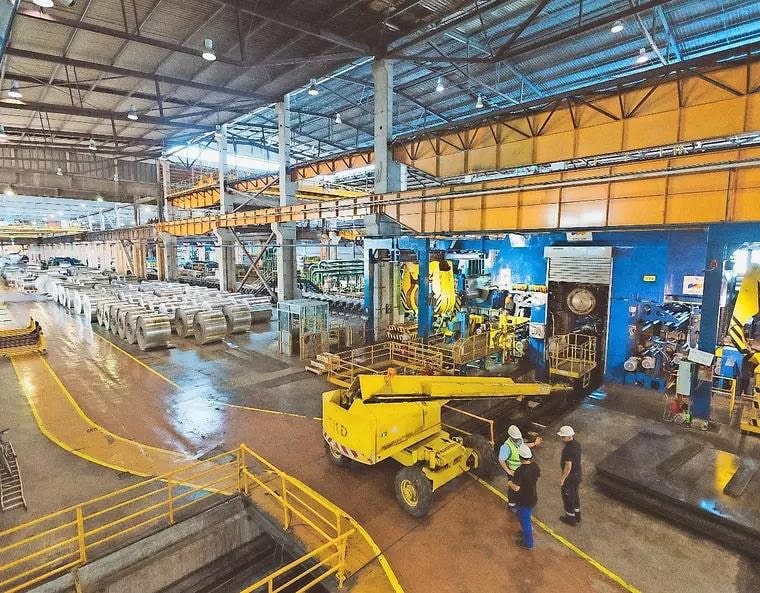
The burden falls unevenly across sectors. Energy accounts for 3.4 times the economy-wide share of expenditure in metal processing and about twice the average in chemicals. HUP also points to a 4.8% fall in Croatian manufacturing employment in the first nine months of 2026, and it cites approved schemes in Germany, Bulgaria and Slovenia as evidence that competitors already receive support.

Croatia does have one instrument in place. The Commission authorised a €60 million scheme for 2025 to 2030 that compensates indirect emission trading costs, with support of up to 80% of eligible costs subject to efficiency or low-carbon conditions. Of that amount, €10 million is earmarked for 2025 costs, and payments are envisaged by 31 March 2027.

The new request would go further. It asks for a separate CISAF programme aimed at industrial electricity costs themselves, not only at the carbon price pass-through. No budget, list of beneficiaries or design has been announced, and no national CISAF programme has been adopted, so Croatian electricity aid remains a proposal on the table rather than a decision.

The question for the Commission is familiar from other cases. State aid rules aim to protect competition in the single market, and each approved scheme gives firms in one country an advantage over rivals elsewhere. The framework allows targeted support for clean industry, but the Commission must weigh necessity and proportionality in every case.

Other Member States will watch the outcome. If Brussels accepts a scheme that targets electricity costs directly, similar demands may follow from industries elsewhere, and the Commission will have to keep a consistent line. A well-designed Croatian electricity aid scheme would need clear eligibility criteria, an end date and safeguards that reward efficiency, since the framework favours support that pushes firms towards lower emissions. Employers across Croatia will follow how Croatian electricity aid fares in Brussels.

The Croatian government has not yet responded publicly to the proposal. If it moves forward, the notification will show how much weight Zagreb places on the Croatian electricity aid argument and whether it can design a scheme that meets the framework’s conditions without distorting competition.