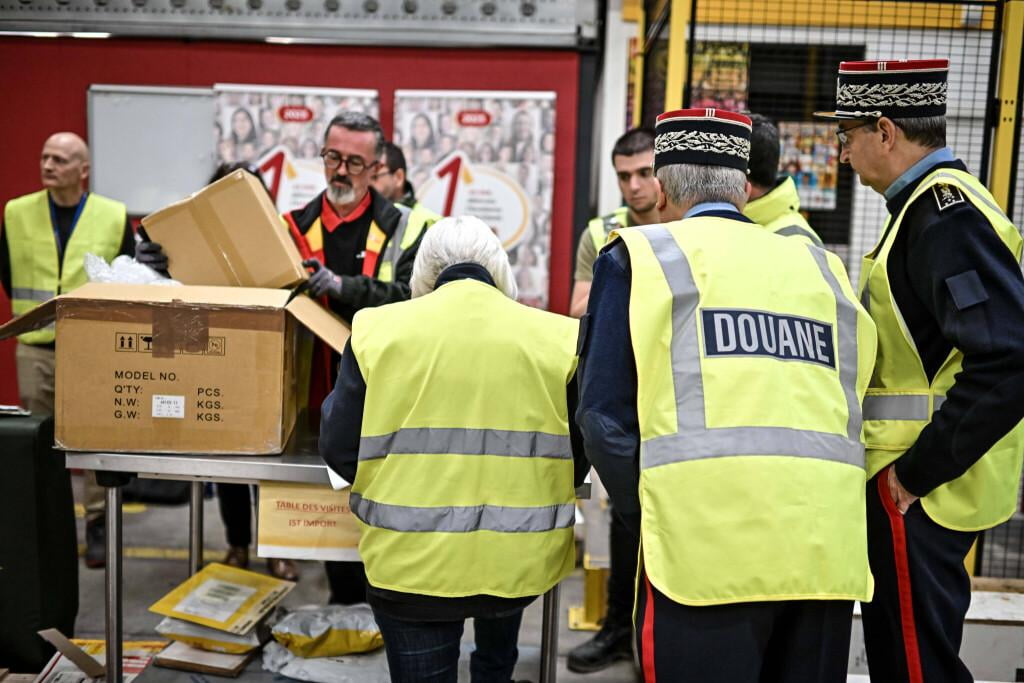
Lille: The customs handling fee on small parcels from outside the European Union was due to start on 1 November 2026, adding 2 euros to the 3 euro customs duty that has applied since 1 July. Reports from Luxembourg’s customs agency and from the Italian press describe the charge as the first visible result of the customs reform that the Council approved on 3 September 2026.
The Council said at the time that the Commission would set the level of the customs handling fee before member states began to apply it. Il Sole 24 Ore reported on 25 September that a Commission act published on 21 September fixed the amount at 2 euros, which the Commission says roughly matches the cost of customs supervision for goods sold online. The customs code requires a Commission cost report every two years, so the fee can be revised, and the Italian paper describes the amount as not final.
Reports differ on how the charge works. Paperjam says the 2 euros applies per declared item and can fall due several times for one parcel when goods carry different tariff classifications, which would bring the total with the 3 euro duty to 5 euros per item. Il Sole says the fee applies per consignment. None of the accounts reviewed for this article confirms publication in the Official Journal, so the unit of charge remains unresolved.
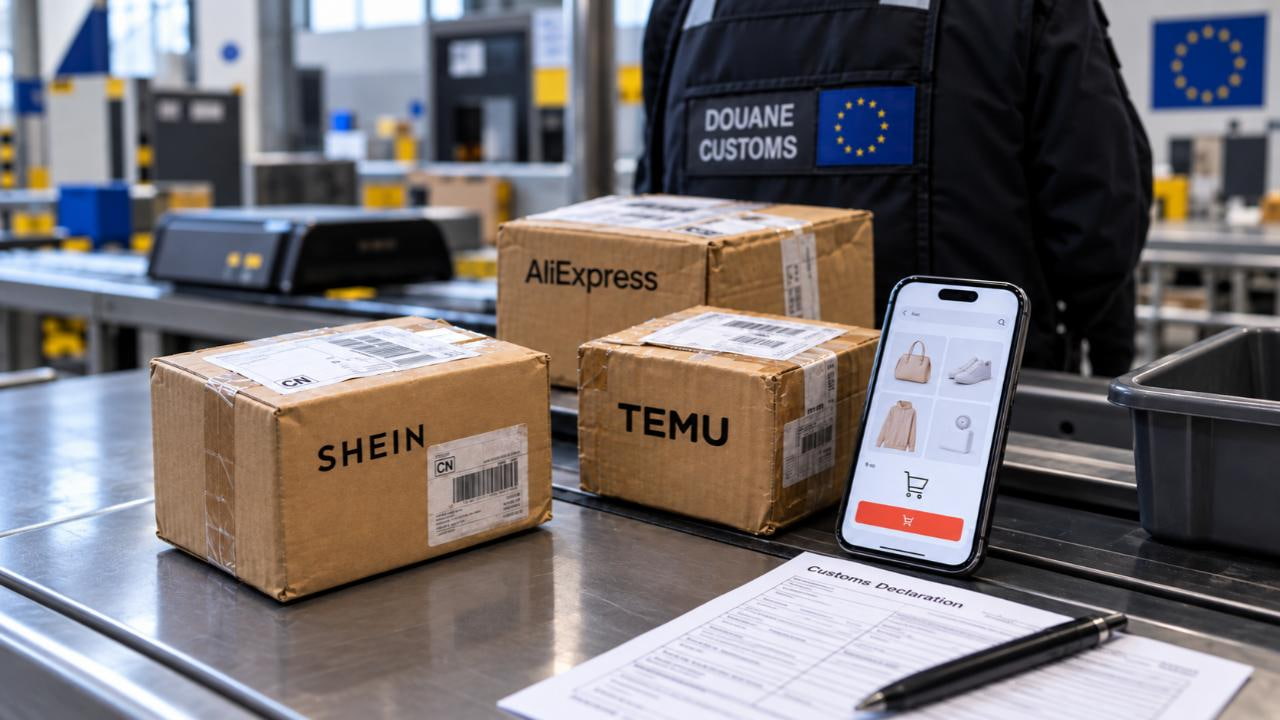
The customs handling fee does not reach the consumer at the door. Liability passes to the operator that sells or facilitates the distance sale, which covers platforms such as Shein, Temu and AliExpress and non-EU sellers on marketplaces. Those operators may pass the cost on through prices or at checkout. Luxembourg’s customs agency stresses that carrier clearance charges are separate and set commercially.
The 3 euro duty applies to parcels valued under 150 euros and, according to the Council, to each item category in a parcel. It is a temporary measure that stays until the EU customs data hub is operational, and both Paperjam and Il Sole say standard duties replace it from 1 July 2028. Early data suggest the duty that accompanies the customs handling fee is biting. Italian customs collected 83 million euros in its first two months, and Il Sole reports that imports of mini parcels fell 39 percent against the previous two-month period.
Scale explains why the customs handling fee exists. Il Sole says that about 6 billion small e-commerce items entered the Union in 2025, and that 90 percent of them came from China. Treating non-EU platforms as importers makes them responsible for customs formalities and duties, with fines of up to 6 percent of the previous year’s import value in the most serious cases. A second handling fee for goods that pass through customs warehouses before sale will apply from 1 July 2028, but the delegated act has not yet set its amount.
The wider reform builds institutions as well as fees. A new EU Customs Authority will start work in Lille in 2027, and the data hub becomes mandatory for e-commerce businesses on 1 July 2028 and for all traders on 1 March 2034. Italy has also postponed its own 2 euro delivery charge to 1 December and must avoid overlap with the EU charge. Retailers and customs brokers should watch for confirmation of the unit of charge, because the customs handling fee will shape the price of cheap parcels this winter.