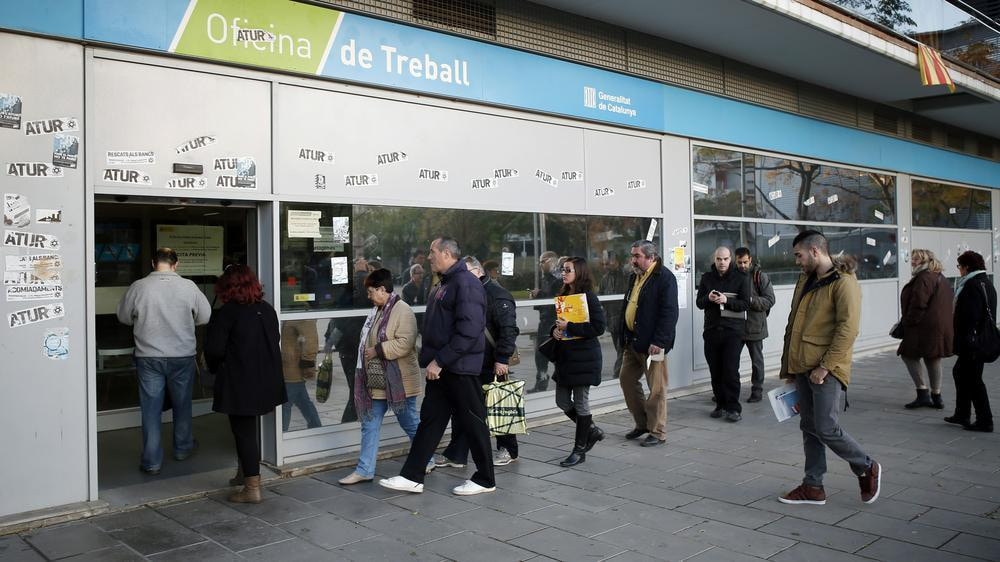
Luxembourg: Euro area unemployment held steady at 6.5 percent in September 2026, according to Eurostat figures reported on 2 November by Staffing Industry Analysts. The EU rate stayed at 6.2 percent, unchanged from August but above the 6.0 percent recorded a year earlier. The euro area rate was 6.3 percent in September 2025.
The headcount tells the same story as the rates, and euro area unemployment shows no sign of falling. About 13.77 million people were unemployed in the EU, of whom 11.56 million lived in the euro area. Compared with September 2025, euro area unemployment added 420,000 people, while the EU total rose by 471,000. Month on month, the EU gained 105,000 unemployed people and the euro area 122,000.
The gap between countries remains wide. Finland recorded the highest rate at 10.5 percent, up 0.5 percentage points on a year earlier. Malta and Poland tied for the lowest at 3.4 percent. Both rose over the year, Malta from 2.7 percent and Poland from 3.3 percent, so even the strongest labour markets show some softening.
Euro area unemployment also differs by sex, and women fare slightly worse than men. In the EU, 6.4 percent of women were unemployed against 6.0 percent of men. In the euro area the figures were 6.7 percent for women and 6.4 percent for men, and the male rate edged up from 6.3 percent in August.
Young people face a tougher market. Youth unemployment reached 15.5 percent in the EU, up from 15.4 percent in August, and 15.4 percent in the euro area, up from 15.1 percent in August. Some 3.02 million young people were out of work across the EU, including 2.47 million in the euro area.
One caution applies. These numbers come from a secondary report, and the Eurostat release page could not be retrieved for this review, so the exact publication date and any revisions should be checked at source. The report also gives no figures for Germany, France, Italy or Spain.
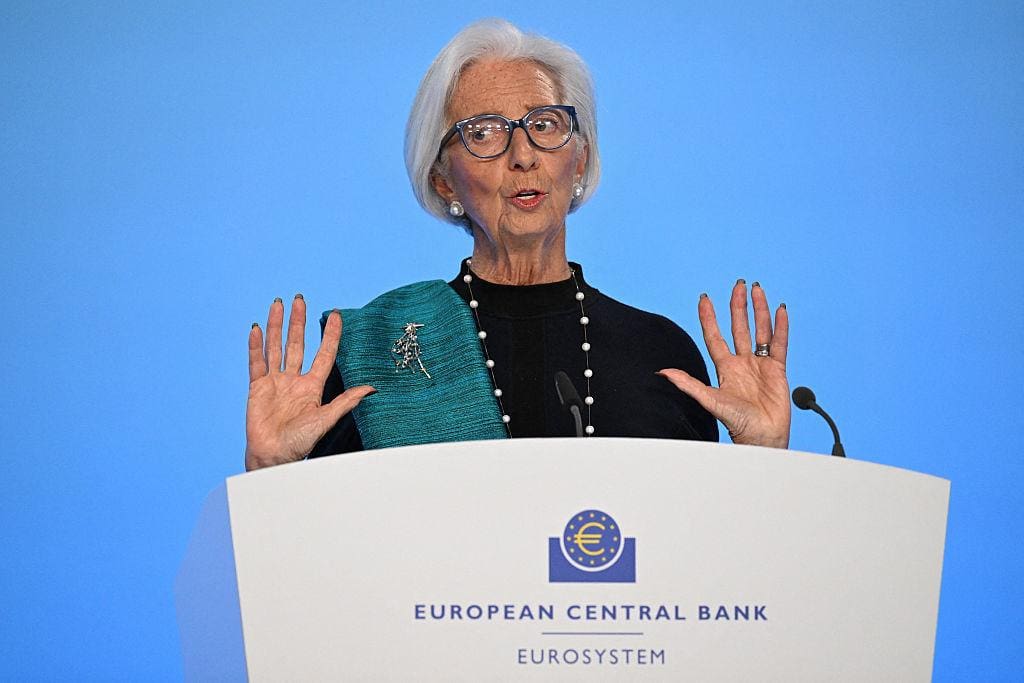
The data matter because they land beside rising prices, and the Eurostat series is the main gauge of labour slack for the European Central Bank. Economists will compare the September reading with the October release due in early December, which will show whether the labour market is cooling or merely flat. The European Central Bank held rates on 29 October while inflation reached 3.8 percent, and a stable jobs picture gives policymakers some comfort. If euro area unemployment starts to climb in the next releases, the argument for further tightening will weaken, and Finland’s double-digit rate shows where the strain is already visible.