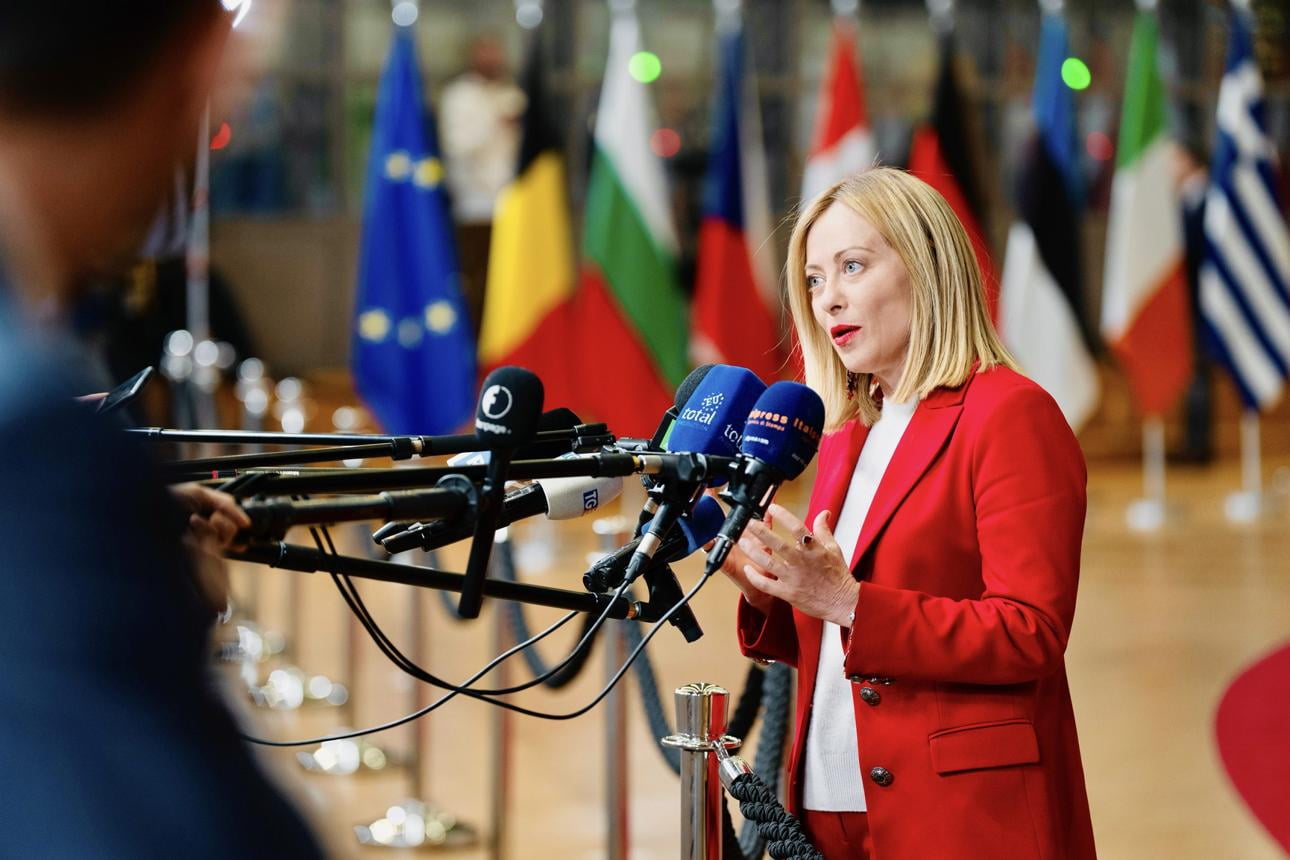
Naples: Italian Prime Minister Giorgia Meloni asked the European Commission on 30 September 2026 for more fiscal flexibility to support households and businesses hit by high energy prices. Brussels answered the next day that fiscal flexibility already exists and that governments must still respect budgetary discipline.
In a letter to Commission President Ursula von der Leyen, Meloni asked to use a €14 billion allocation to reduce energy costs for firms and families. She noted that other member states now ask for similar room, and she argued that the emissions trading system places heavy extra costs on manufacturers. She also called for what she described as a less ideological Europe that avoids deindustrialisation.
The Commission replied through its spokespeople. Paula Pinho said the bloc has already granted greater fiscal flexibility to member states, and she pointed to the national escape clause. Originally designed for defence spending, the clause was later extended to cover support in the energy sector.
The clause lets a government deviate from its agreed expenditure path by a total of 0.6 percent of gross domestic product between February 2026 and the end of 2028. The fiscal flexibility on offer does not suspend the fiscal rules and it does not release new money. It allows specific spending without triggering a breach of the rules. Italy itself filed a request to activate the clause about two weeks before the letter.
Spokesperson Balazs Ujvari added a caveat. Any use of fiscal flexibility, he said, must not come at the expense of the overall commitment to budgetary discipline. That line shows where the Commission draws the boundary between support for energy-hit economies and the stability of public finances.
The exchange also reveals a split over the emissions trading system. Italy and Czechia jointly proposed to suspend carbon trading costs temporarily in order to ease pressure on manufacturers during a period of historically high energy prices. The Commission has not endorsed that idea, and the system remains a core pillar of EU climate policy.
The debate over fiscal flexibility reflects the pressure that energy costs place on national budgets. Euro area inflation climbed to 3.2 percent in September, and governments want room to cushion households without breaking the deficit and debt rules. Finance ministers face a choice between short-term relief and long-term credibility with markets.
For now, the dispute turns on interpretation. Rome wants wider room to spend, while the Commission says the tools are already in place and calls on governments to use them. The next test is how much of the 0.6 percent allowance Italy chooses to claim, and how the Commission judges fiscal flexibility when it assesses the plan.