Toulouse: Across the grain belts and vineyards of the union’s farming regions, a fight over the architecture of the next long-term budget is making growers uneasy. At issue is the future of the common agricultural policy, the bloc’s oldest and most expensive programme, and a Commission proposal that would merge its funding with money for poorer regions into a single sprawling pot.
The plan, set out for the budget period beginning in 2028, would combine agricultural and cohesion spending into one fund worth close to 865 billion euros, drawn from an overall budget of around two trillion. Within that structure the Commission has promised a ring-fenced envelope of at least 300 billion euros for farm income support and crisis aid, an attempt to reassure growers that their slice will not simply dissolve into the larger whole.
Farmers and their advocates are not reassured. Their fear is that folding a dedicated agricultural budget into a flexible, multi-purpose fund hands national governments the discretion to shift money toward other priorities when pressures mount, leaving the countryside to compete for resources it once received almost automatically. Predictability, they argue, is the whole point of a common policy; a guaranteed payment that can be quietly reallocated is no guarantee at all.
The Parliament has taken up the cause. In its negotiating position, adopted last autumn, it rejected the merger of farm funding with other policy areas and called instead for an increased, stand-alone agricultural budget. That sets up a direct clash with the Commission as the institutions move into talks over the final shape of the package, with the Council caught between member states that want simplification and those that prize the certainty of a dedicated farm pot.
Supporters of the overhaul see a chance to modernise a policy often criticised as rigid and bureaucratic. Pooling funds, they argue, would let regions tailor spending to local needs, channel money toward the green transition and cut the tangle of separate rules that farmers themselves complain about. The Commission has paired the budget redesign with promises of drastic simplification and a bigger role for local institutions in deciding how the money is spent.
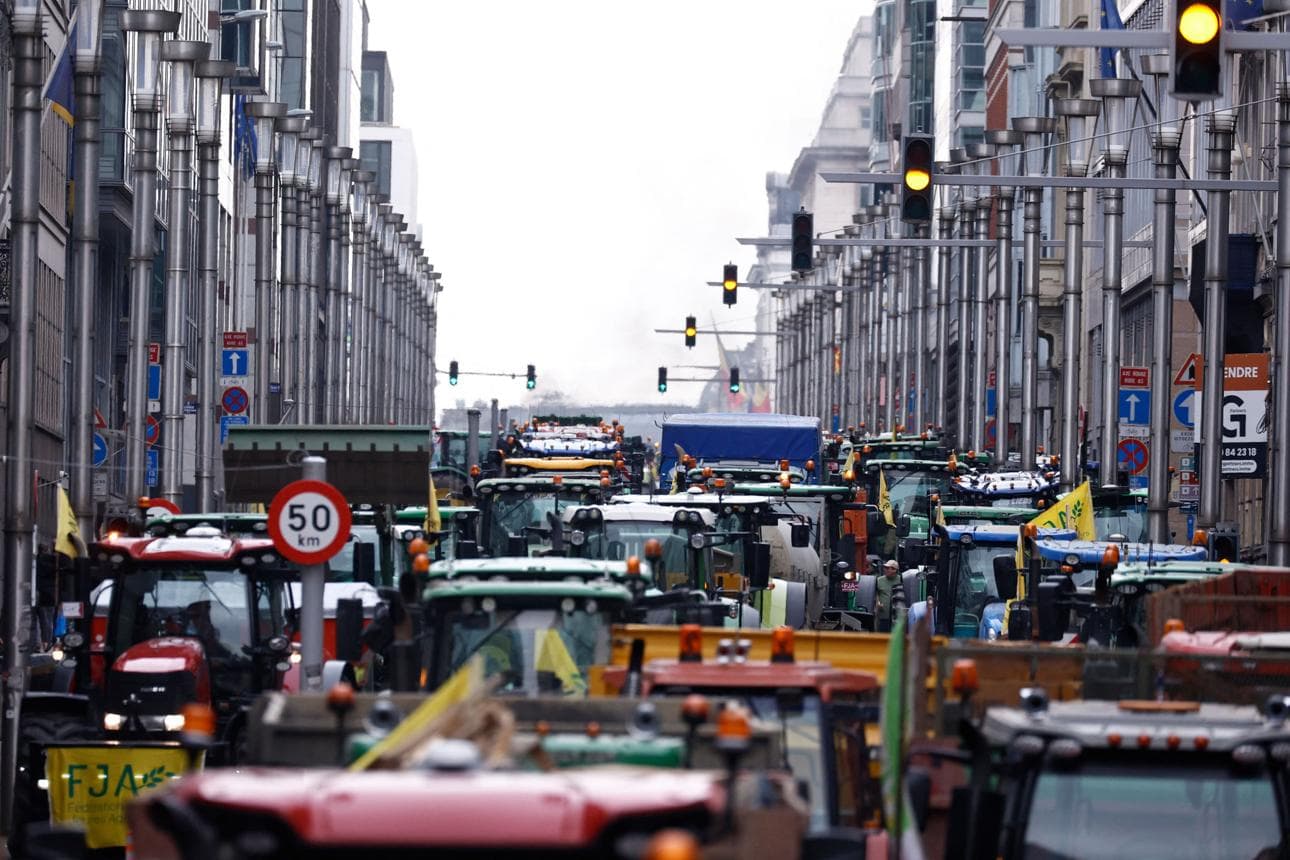
The countryside has heard the language of simplification before and treats it warily. Growers across the union have spent the past two years protesting over thin margins, heavy paperwork and competition from cheaper imports, and many see the budget reshuffle as one more change imposed from above without their buy-in. Farm unions warn that any sense of a shrinking or less certain envelope could reignite the demonstrations that blocked motorways and rattled capitals.
What happens next will shape rural livelihoods for the better part of a decade. The negotiations pit the desire for a leaner, more flexible budget against the conviction that food production and farm incomes need protection that cannot be left to annual political bargaining. For the growers watching from their fields, the abstract argument over fund structures comes down to a concrete worry, namely whether the support they depend on will still be there, and still be predictable, when the new budget takes effect.