Larnaca: Two Mediterranean countries are heading to the Court of Justice because they still bury too much waste in sites that break the EU landfill rules. On 1 October 2026 the European Commission referred Greece and Cyprus to the Court for failing to comply with the Landfill Directive and the Waste Framework Directive.
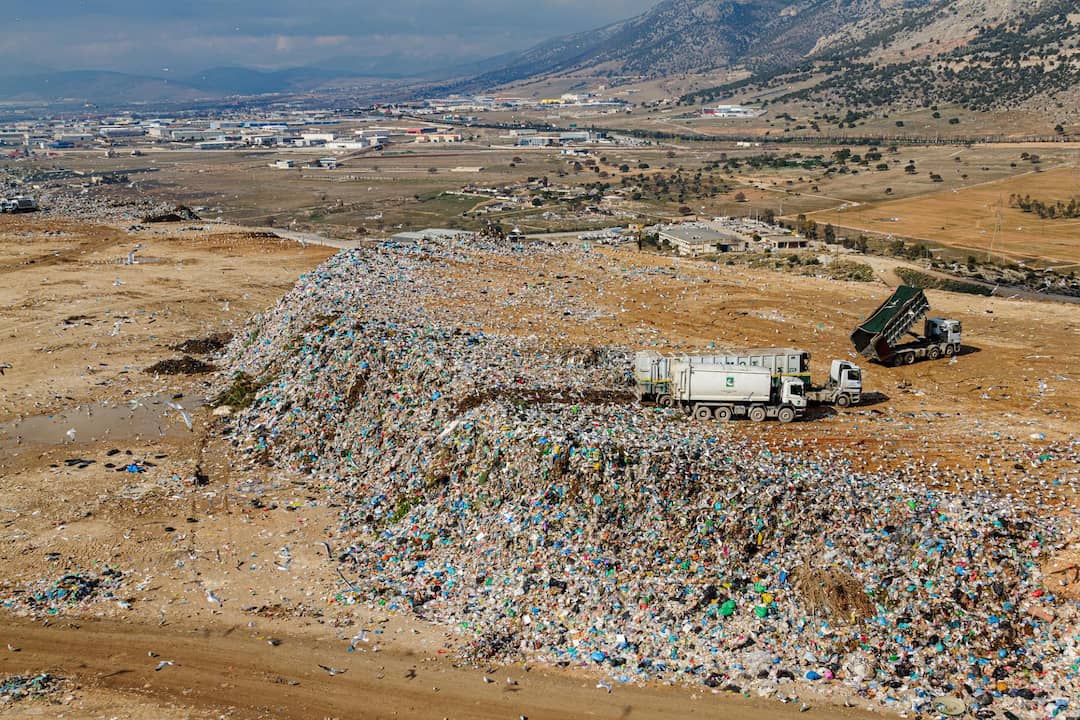
The figures behind the referral are stark. In Greece, 66 of the 81 remaining landfills do not meet the standards, which means 81 percent of the sites still operate outside the law. In Cyprus, 21 percent of waste goes to landfill without prior treatment, even though the EU landfill rules require waste to be treated before disposal.
The EU landfill rules rest on the Landfill Directive, which sets technical standards for the design, operation and closure of disposal sites so that leachate and gas do not harm soil, water and air. The Waste Framework Directive adds the waste hierarchy, which puts prevention, reuse and recycling ahead of disposal. Both texts expect governments to close or upgrade sites that cannot meet the standards, and to stop sending untreated waste to the ground.
Referral to the Court is the last step of the infringement procedure. The Commission first sent letters of formal notice and then reasoned opinions, and it concluded that the answers from Athens and Nicosia did not fix the problem. The Court can now rule that the two countries have breached their obligations, and a later judgment can bring financial penalties if a country still fails to act.
The same infringement package contains other environment decisions. Finland was referred to the Court because it has not correctly transposed the Seveso III Directive, which covers about 11,000 installations that handle dangerous substances. Sweden received a reasoned opinion for not applying technical standards for urban wastewater, including storm-water overflows, and Portugal received one for lacking an effective system to monitor accidental catches of protected dolphins and porpoises.
Several other countries also received reasoned opinions for not notifying full transposition of the amended WEEE Directive on electrical and electronic waste. Together the decisions show how much of the EU landfill rules still depends on enforcement at the national level.
For residents near the 66 Greek sites, the case matters beyond Brussels procedure. Compliant sites control odour, fire risk and groundwater pollution, and they come with the monitoring that the older sites often lack. The Commission has made it clear that the EU landfill rules apply in full, and the Court’s judgment will tell Athens and Nicosia how fast they must close the gap.