Frankfurt: The ECB rate hold on 29 October 2026 kept all three key interest rates unchanged, with the deposit facility rate at 2.50 percent. The main refinancing rate stayed at 2.65 percent and the marginal lending rate at 2.90 percent. Cyprus Mail reported that the pause follows a rate increase in September.
The decision came as inflation moved sharply away from the 2 percent target. Euro area inflation reached 3.8 percent in September, up from 3.2 percent in August, according to a Danish legal portal that summarised the ECB statement. Energy inflation climbed to 18.9 percent from 14.3 percent, while inflation excluding energy stood at 2.3 percent, food at 1.3 percent and services at 3.2 percent. The ECB links the jump to energy prices rather than to wages or food, since food inflation of 1.3 percent remains well below the headline.
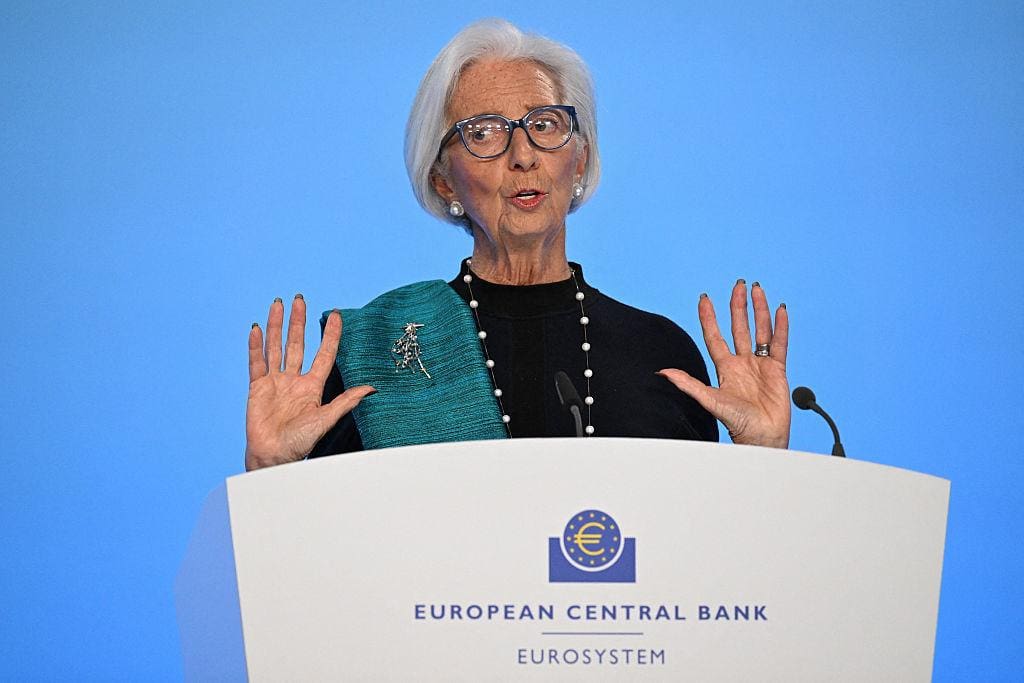
President Christine Lagarde said the Governing Council debated a rate increase before it unanimously decided to wait. She added that the direction of travel is clear unless significant developments change the assessment. That wording signals that the ECB rate hold is a pause, not a reversal, and markets will read it that way. Investors will test whether the ECB rate hold survives another rise in energy costs.
The ECB judges that energy prices have risen beyond the baseline in its September staff projections. Risks to growth lean to the downside and risks to inflation to the upside. Negotiated wage growth is expected at 2.5 to 2.8 percent for the rest of 2026 and about 2.6 percent on average in the first three quarters of 2027, so wages are not yet the main driver of the price rise.
Borrowing costs have already moved. Average ten-year sovereign yields have risen by around 35 basis points since the cut-off for the September projections, and the household mortgage rate edged up to 3.6 percent from 3.5 percent. An ECB rate hold therefore does not shield borrowers from tighter conditions, because markets price in the path that Lagarde described.
Leadership adds a second storyline. Lagarde will leave the ECB presidency on 7 February 2027, about eight months before her term ends, and she said in a short video that she leaves with a sense of good work done and an ECB that is fit for the future. The search for a successor has started, according to the reports reviewed. That leadership question will sit alongside the ECB rate hold in the coming months.
The next test arrives in December, when new staff projections, two further inflation readings and third quarter growth data will inform the Governing Council. The sources give no exact meeting date and rely on secondary summaries, so readers should check the ECB’s own statement. If inflation stays near 4 percent, the ECB rate hold of October could prove to be the last pause before another increase.