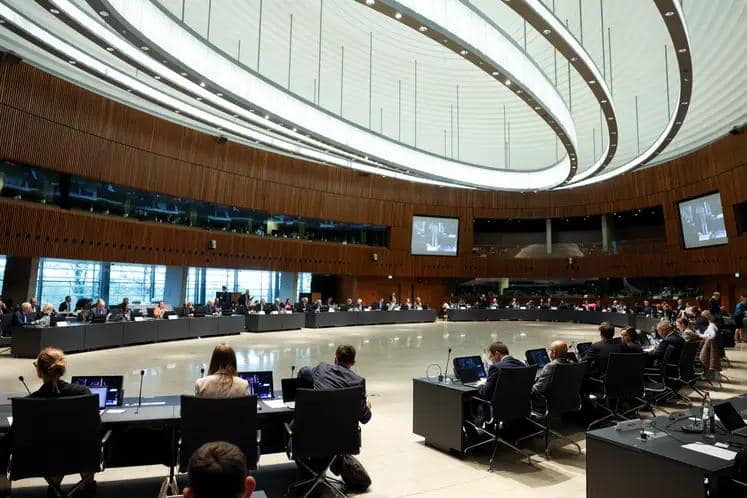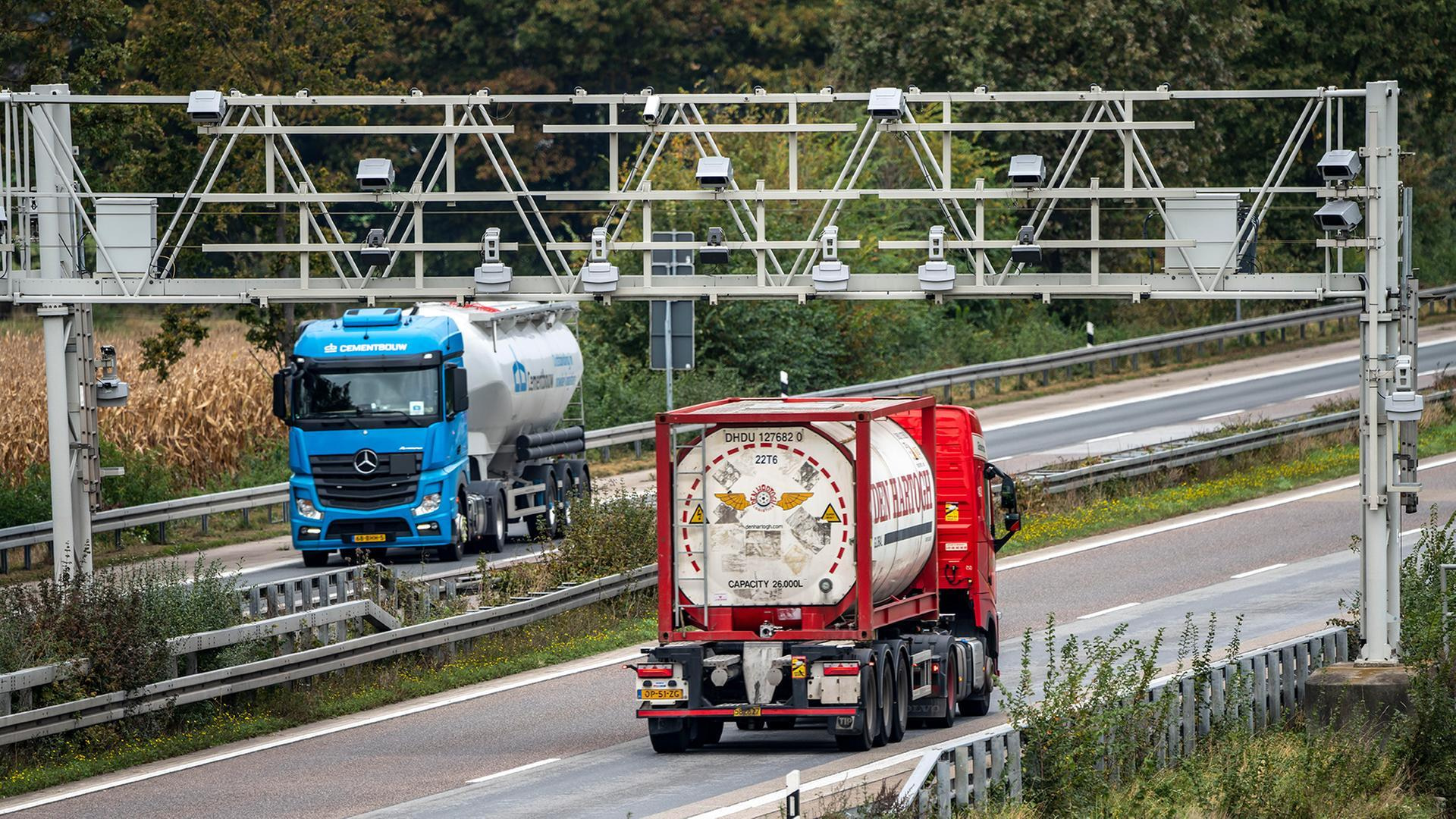
Rotterdam: The EU road charging rules for heavy goods vehicles cleared their final hurdle on 7 October 2026, when the European Parliament adopted the text by 475 votes to 96, with 70 abstentions. The vote ties tolls on lorries, buses and coaches more closely to their real carbon emissions, a change that will reach every haulier on the Union’s motorways.
The text clarifies the definitions of CO2 emission classes for heavy-duty vehicles. Under the EU road charging rules, a toll should now reflect how much a vehicle emits, not only how large or heavy it is. Agence Europe, which reported the vote on 8 October, provides only a short free summary, so the full legal text deserves a careful read.
Reductions for cleaner vehicles take centre stage. Member states that grant toll exemptions to these vehicles may apply reductions of up to 75 percent until 30 June 2031, and they may keep a 50 percent reduction from July 2031. Zero-emission lorries and buses may stay exempt from road-use and infrastructure charges until 30 June 2031, and they then receive a 75 percent toll reduction.
Those dates in the EU road charging rules give fleet owners a planning horizon of nearly five years. A haulier that buys an electric truck in 2027 can count on a discount that lasts well beyond the typical financing period, which makes the case for a zero-emission purchase easier to put to a bank. Operators of diesel fleets, by contrast, face tolls that move upwards as classes tighten.
The EU road charging rules also matter for national budgets. Governments collect tolls to pay for roads and maintenance, and deep discounts for clean vehicles reduce that income. Finance and transport ministries will have to decide how fast to let the discount shrink, because the text sets ceilings and leaves the detailed schedule to each member state.
Several details are missing from the sources reviewed. The Agence Europe summary names no rapporteur and no minister, and it does not give an entry-into-force date or a transposition deadline. Those points normally follow publication in the Official Journal, so hauliers should watch for that notice.
For now the practical message is simple. Governments will adjust national toll schedules, and operators should check how their vehicles are classed before the new tariffs arrive. The EU road charging rules turn a long-running argument about polluter-pays tolls into a settled framework, and the next question is how quickly capitals will use it.