Sofia: Measles cases in Europe totalled 2,335 across 30 EU and EEA countries between September 2025 and August 2026, and none of those cases ended in death, according to the weekly threats report that the European Centre for Disease Prevention and Control published for the week of 3 to 9 October 2026. Bulgaria, which has reported 580 cases by week 40 of this year, remains the most affected country in the latest national figures.
The monthly picture of measles cases in Europe shows the disease has not gone away. In August 2026 alone, ten countries reported 143 measles cases. That figure is lower than the twelve-month average of nearly 195 cases a month, which suggests that summer holidays and school closures slowed transmission, although the ECDC does not draw that conclusion in its report.
National data on measles cases in Europe for the current year show where the pressure is. Besides Bulgaria’s 580 cases, Spain has recorded 161 cases as of 4 October, Germany has reported 139 by week 41, and Sweden has counted 49 as of 9 October. Those totals come from national health authorities and reflect different reporting dates, so the ECDC treats them as indicators rather than as a single comparable series.
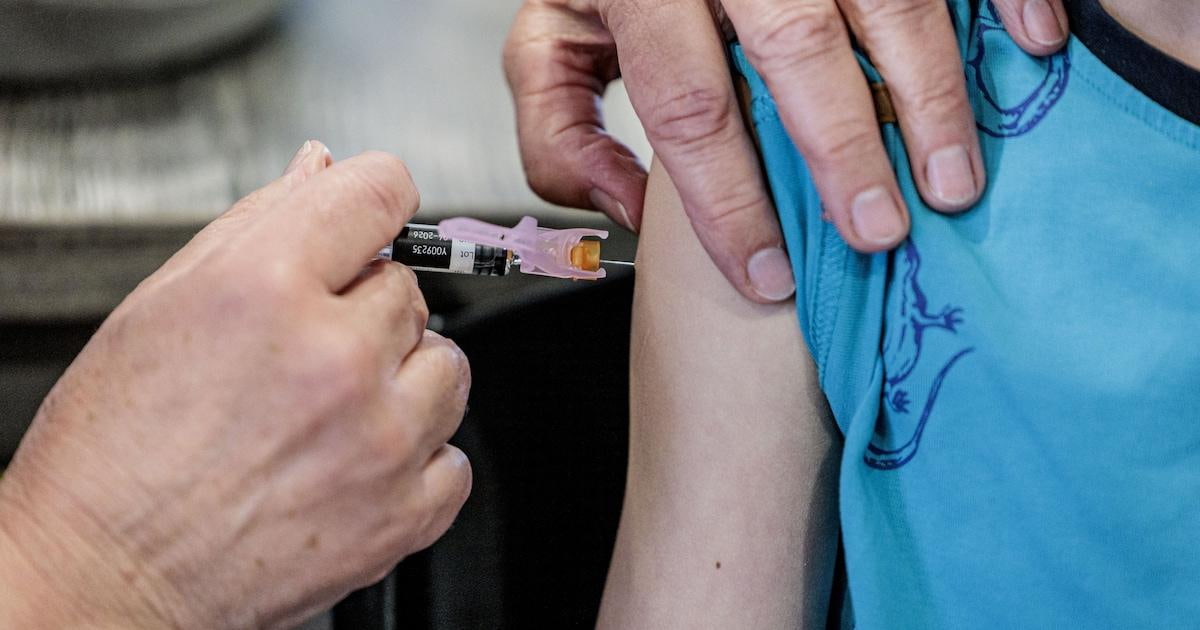
The fact that measles cases in Europe produced no deaths over the full twelve months is a reminder of how much protection vaccines and medical care give. Measles is among the most contagious diseases known, and health authorities generally aim for vaccination coverage of at least 95 percent with two doses to stop it from spreading in a community. Pockets of lower coverage allow outbreaks to take hold even in countries that are well vaccinated overall, and a single unvaccinated classroom or village can sustain a chain of infections for weeks.
The same weekly report tracks a long list of other threats, from West Nile virus to chikungunya, but measles stands out because it is preventable. For Bulgaria, Germany, Spain and Sweden the practical task in the coming months is catching up children and adults who missed doses, since autumn brings schools back and indoor gatherings that help the virus spread.
The ECDC will update its figures in the coming weeks, and public health services will watch every new report closely, and the next monthly report will show whether the downward trend seen in August continues. Until then, the 2,335 confirmed measles cases in Europe, and the absence of any deaths, give public health services a clear baseline against which to judge their autumn vaccination drives.