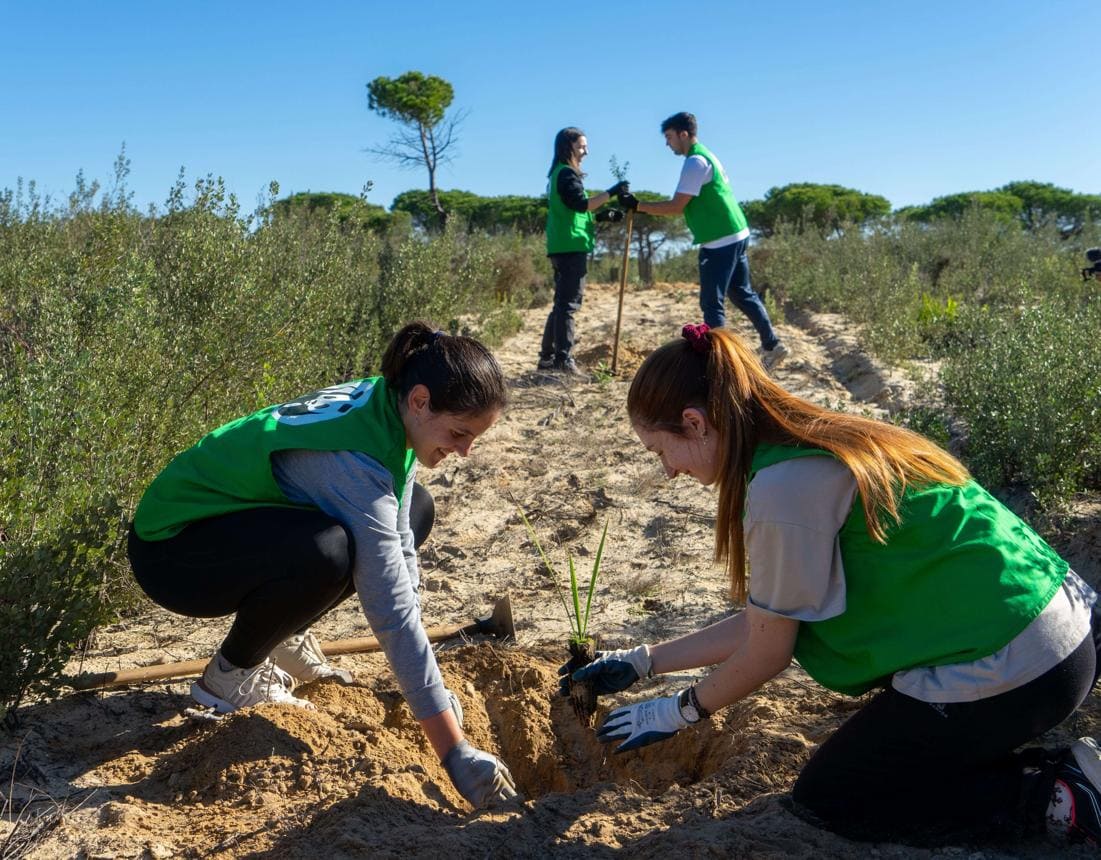
Doñana: Only seven member states filed their nature restoration plans by the 1 September 2026 deadline, and twenty missed it, according to reporting by Eunews. Austria, Bulgaria, Ireland, Luxembourg, the Netherlands, Portugal and Spain made the cut, with Spain sending its text on 31 August, one day before the clock ran out.
The deadline comes from Regulation (EU) 2024/1991, the Nature Restoration Law. The regulation asks governments to restore at least 20% of the EU’s land and sea areas by 2030 and to bring 30% of degraded habitats back into better condition by the same date. Each of the nature restoration plans must say where governments will act, which measures they will adopt, on what timetable and with what money.
Italy sits among the late filers of nature restoration plans, and reporting links its delay to public consultations that the environment and agriculture ministries are still running. France is finalising its draft after a public consultation in 2025 and another round in summer 2026. Germany put a draft out for comment in April, but coordinating the federal government with sixteen Länder makes a fast submission hard. Poland is still working on its text under the climate and environment ministry.
The Commission has responded with patience rather than threats. Officials describe the regulation as new and complex, and they say they want to help capitals finish the work instead of opening infringement proceedings straight away. That stance reflects a practical calculation. A rushed nature restoration plan with vague measures would satisfy the calendar but fail the test the law sets.
The quality of nature restoration plans matters more than their date. The conservation group BirdLife published a mid-term assessment of the draft national plans in December 2025, so campaigners have tracked the process for months. Farm policy also shapes the outcome, which explains why the Italian agriculture ministry sits in the consultation alongside the environment ministry.
The split between early and late filers does not follow a simple pattern. Small and large states appear on both lists, and the seven on-time submissions mix northern and southern governments. What they share is a head start on consultation, which suggests that procedure, not politics, explains most of the delay.
For the Commission, the next job is to judge whether the seven nature restoration plans it has meet the regulation’s content rules. Its findings will tell the twenty late capitals what a complete plan looks like. Until those capitals file, the Union cannot add up the real size of the restoration effort it promised for 2030.
The month since the deadline has left a clear picture. Seven governments have delivered nature restoration plans, twenty are still drafting, and the Commission has chosen persuasion over penalties for now.