Split: The crowds packing the Adriatic coast this month can swim with a rare piece of official reassurance. Europe’s latest bathing water audit finds that the overwhelming majority of the continent’s beaches, lakes and rivers meet strict cleanliness standards, even as regulators quietly raise the bar for what clean water must mean.
The annual report from the Union’s environment agency, published in June, examined more than 22,200 officially monitored bathing sites across the member states plus Albania and Switzerland. It found that 85 percent earned the top rating of excellent, that 96 percent cleared the minimum standard, and that only 1.5 percent fell into the poor category. For a continent whose rivers ran filthy within living memory, the numbers mark a long environmental turnaround.
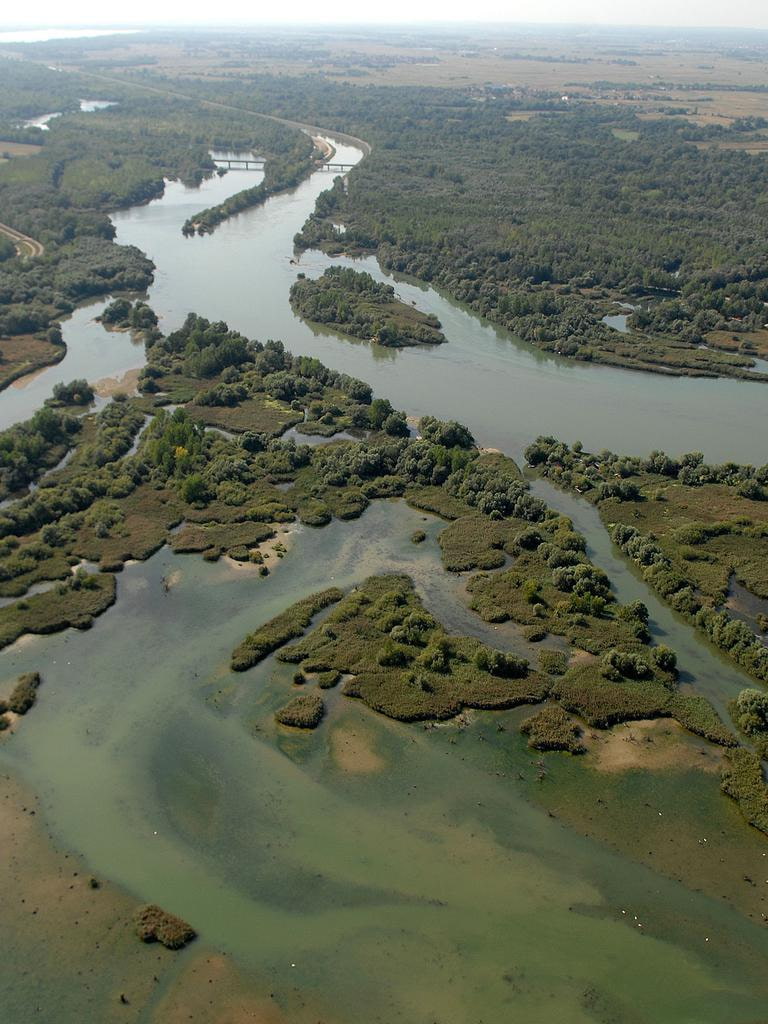
Geography still shapes the results. Coastal waters outperform inland ones, with around 88 percent of sea sites rated excellent against 78 percent of lakes and reservoirs. Rivers lag furthest behind, and fewer than half of the roughly 1,200 designated river bathing spots reached the excellent mark, a reminder that flowing freshwater picks up farm run-off and urban waste that the open sea disperses.
A handful of countries lead the field. Austria, Bulgaria, Cyprus and Greece each posted excellent shares of 95 percent or higher, rewarding decades of investment in sewage treatment and monitoring. The bathing water report has tracked this progress since the 1990s, and its steady improvement stands among the clearest environmental successes the Union can point to.
The reassurance arrives alongside a tougher rulebook. In May the Union adopted updated standards on water pollutants that expand monitoring to emerging contaminants, including the persistent chemicals known as PFAS, microplastics and traces of pharmaceuticals. Those substances slip past older tests, and their inclusion means some sites judged pristine today may face harder questions tomorrow.
That shift reflects a change in what regulators count as risk. Classic bathing checks hunt for bacteria from sewage, an immediate threat to swimmers. The new pollutants act slowly, accumulating in bodies and ecosystems over years, and folding them into the monitoring regime signals that the Union now treats long-term chemical exposure as seriously as a stomach bug caught on holiday.
For coastal economies the stakes reach well beyond public health. Tourism along the Mediterranean and Adriatic leans on the promise of clean water, and a poor rating can empty a resort as fast as a heatwave fills one. Local authorities guard their blue flags and excellent ratings because visitors, and the money they bring, follow the cleanest coasts.
In Split the sea looks as inviting as ever, and the audit says the appearance is earned. The harder work now lies in defending that record against pollutants no swimmer can see, at the moment Europe has decided they can no longer be ignored.