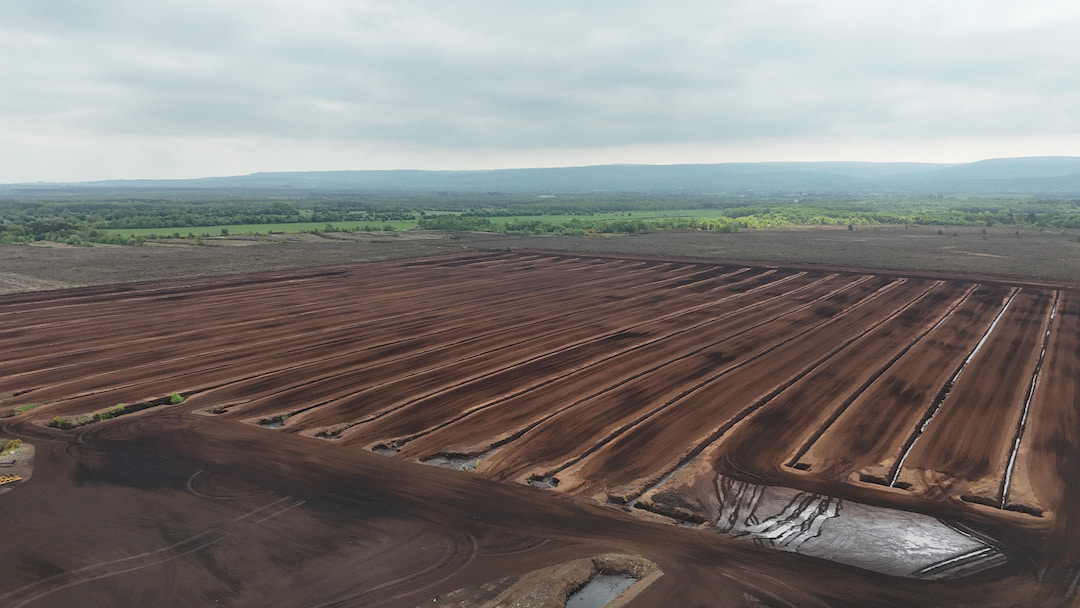
Galway: Peat cutting in Ireland has landed the country before the Court of Justice of the European Union, after the Commission referred it for failing to comply with the Environmental Impact Assessment Directive. The referral formed part of the Commission’s June infringement package, announced on 4 June 2026, which also sent Slovenia to court over bird protection.
The Commission says Ireland did not carry out the required environmental impact assessments for peat extraction projects. Bogs store large amounts of carbon and shelter rare plants and birds, so draining and cutting them releases greenhouse gases and damages habitats. The directive requires authorities to assess likely environmental effects before approving projects that could harm nature, and the Commission argues that the Irish approach to peat cutting falls short.
Slovenia faces a separate case under the Birds Directive. The directive obliges member states to designate Special Protection Areas for wild birds and to protect them, and the Commission says Ljubljana has not met those requirements. Both cases show the Commission using the courts to push governments to apply nature rules that they agreed in Brussels.
The package contained six referrals to the Court of Justice in total, along with 34 letters of formal notice and 12 reasoned opinions. Spain and Poland were referred for failing to transpose the revised Emissions Trading System rules into national law, and France was referred over national rules for veterinary companies. The Commission also closed 59 cases after member states fixed their breaches.
A referral does not mean a fine is certain. Infringement cases usually begin with a formal notice and can end before a court judgment if the country complies, but a referral signals that earlier steps failed to settle the dispute. If the Court finds against a member state and the problem continues, the Commission can return to ask for financial penalties.
For Ireland the stakes are practical as well as legal. Peat cutting has a long tradition in rural communities, and landowners and small harvesters want clarity about what they may do. A ruling would define how far assessments must go before peat cutting continues, which could affect permits across the Irish midlands and west.
The Commission’s statement names no deadlines for the hearings, and court cases of this kind often take more than a year. Until then, Irish authorities can still change course by improving their assessment procedures. How they handle peat cutting in the coming months may decide whether the case reaches judgment or ends in a settlement.