August 10, 2026
LATEST
Europe’s Air Quality Improves but WHO Limits LoomTwelve New EU Medicines Win a Green Light from EMAFIFA Agent Rules Must Answer to Europe’s CourtsTachograph Rules Now Reach Vans Crossing Europe’s BordersNature Restoration Plans Come Due as a Hard Deadline NearsBrussels Opens a State Aid Probe Into Spain’s Renewables PayoutBrussels Extends Its Tariff Suspension on US Goods IndefinitelyFarmers Win Stronger Contract Rights Across the EU Supply ChainEurope Finally Locks In Its 348-Satellite Answer to StarlinkPlatform Work Rules Face a National Scramble Before DecemberDuty-Free Parcels Reach the End of the Line for EU ShoppersAfter Nine Years, Europe and Australia Seal a Trade PactBeijing Answers Europe’s Russia Sanctions in KindOne Year On, the EU-Japan Alliance Faces Its First TestEurope’s Chip Ambitions Still Run Through Taiwan’s FabsWhy South Korea Bet Its Research Future on Europe’s ProgrammeEurope and Japan Deepen Their Economic Alliance as Rivals CircleFive Joint Defence Projects Launch Europe’s Military ShieldElectrification Plan Aims to Make Europe First Electro ContinentHorizon Europe Budget Fight Heats Up as Ministers Push BackEurope’s Air Quality Improves but WHO Limits LoomTwelve New EU Medicines Win a Green Light from EMAFIFA Agent Rules Must Answer to Europe’s CourtsTachograph Rules Now Reach Vans Crossing Europe’s BordersNature Restoration Plans Come Due as a Hard Deadline NearsBrussels Opens a State Aid Probe Into Spain’s Renewables PayoutBrussels Extends Its Tariff Suspension on US Goods IndefinitelyFarmers Win Stronger Contract Rights Across the EU Supply ChainEurope Finally Locks In Its 348-Satellite Answer to StarlinkPlatform Work Rules Face a National Scramble Before DecemberDuty-Free Parcels Reach the End of the Line for EU ShoppersAfter Nine Years, Europe and Australia Seal a Trade PactBeijing Answers Europe’s Russia Sanctions in KindOne Year On, the EU-Japan Alliance Faces Its First TestEurope’s Chip Ambitions Still Run Through Taiwan’s FabsWhy South Korea Bet Its Research Future on Europe’s ProgrammeEurope and Japan Deepen Their Economic Alliance as Rivals CircleFive Joint Defence Projects Launch Europe’s Military ShieldElectrification Plan Aims to Make Europe First Electro ContinentHorizon Europe Budget Fight Heats Up as Ministers Push Back
August 10, 2026
LATEST
Europe’s Air Quality Improves but WHO Limits LoomTwelve New EU Medicines Win a Green Light from EMAFIFA Agent Rules Must Answer to Europe’s CourtsTachograph Rules Now Reach Vans Crossing Europe’s BordersNature Restoration Plans Come Due as a Hard Deadline NearsBrussels Opens a State Aid Probe Into Spain’s Renewables PayoutBrussels Extends Its Tariff Suspension on US Goods IndefinitelyFarmers Win Stronger Contract Rights Across the EU Supply ChainEurope Finally Locks In Its 348-Satellite Answer to StarlinkPlatform Work Rules Face a National Scramble Before DecemberDuty-Free Parcels Reach the End of the Line for EU ShoppersAfter Nine Years, Europe and Australia Seal a Trade PactBeijing Answers Europe’s Russia Sanctions in KindOne Year On, the EU-Japan Alliance Faces Its First TestEurope’s Chip Ambitions Still Run Through Taiwan’s FabsWhy South Korea Bet Its Research Future on Europe’s ProgrammeEurope and Japan Deepen Their Economic Alliance as Rivals CircleFive Joint Defence Projects Launch Europe’s Military ShieldElectrification Plan Aims to Make Europe First Electro ContinentHorizon Europe Budget Fight Heats Up as Ministers Push BackEurope’s Air Quality Improves but WHO Limits LoomTwelve New EU Medicines Win a Green Light from EMAFIFA Agent Rules Must Answer to Europe’s CourtsTachograph Rules Now Reach Vans Crossing Europe’s BordersNature Restoration Plans Come Due as a Hard Deadline NearsBrussels Opens a State Aid Probe Into Spain’s Renewables PayoutBrussels Extends Its Tariff Suspension on US Goods IndefinitelyFarmers Win Stronger Contract Rights Across the EU Supply ChainEurope Finally Locks In Its 348-Satellite Answer to StarlinkPlatform Work Rules Face a National Scramble Before DecemberDuty-Free Parcels Reach the End of the Line for EU ShoppersAfter Nine Years, Europe and Australia Seal a Trade PactBeijing Answers Europe’s Russia Sanctions in KindOne Year On, the EU-Japan Alliance Faces Its First TestEurope’s Chip Ambitions Still Run Through Taiwan’s FabsWhy South Korea Bet Its Research Future on Europe’s ProgrammeEurope and Japan Deepen Their Economic Alliance as Rivals CircleFive Joint Defence Projects Launch Europe’s Military ShieldElectrification Plan Aims to Make Europe First Electro ContinentHorizon Europe Budget Fight Heats Up as Ministers Push Back

Powering Europe’s Future Means Spending Over A Trillion On Grids

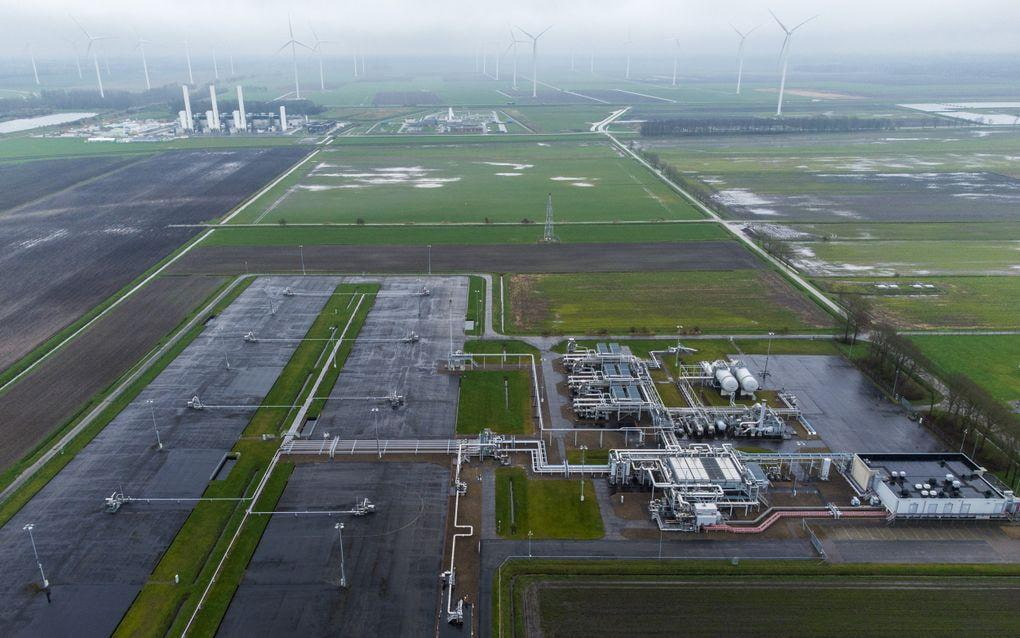
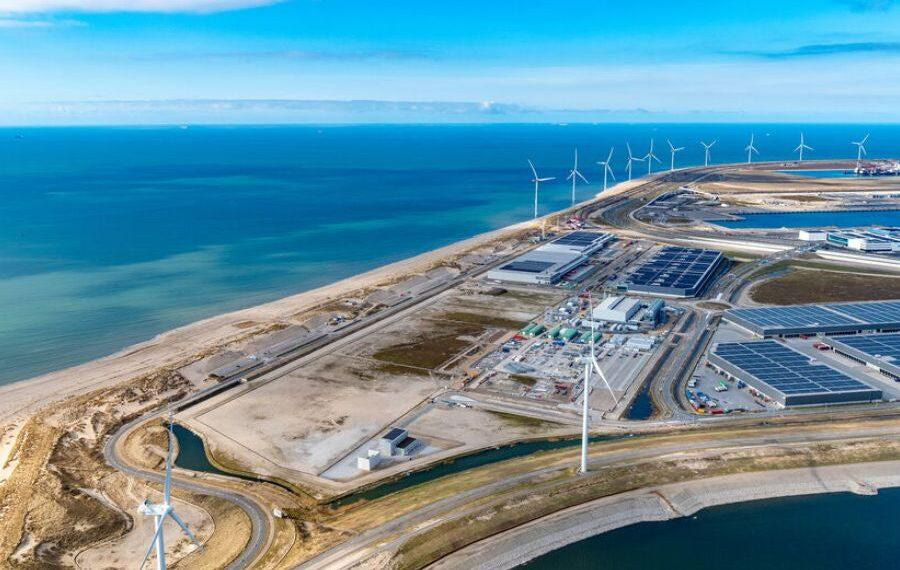
Madrid: Europe has spent a decade arguing about how to generate cleaner electricity. It is now confronting a less glamorous problem that threatens to undo much of that effort, namely the wires, transformers and substations needed to carry the power from where it is made to where it is used. The Commission’s latest energy work puts a startling figure on the scale of the task, estimating that modernising and expanding the continent’s electricity grids will require roughly 1.2 trillion euros by 2040. Without that investment, new wind farms and solar parks risk being built only to sit idle, unable to feed their output into a network that cannot accommodate them.

The bottleneck is already visible. Across several member states, queues of renewable projects wait years for a grid connection, while in periods of strong sun or wind, operators are forced to switch off generation that the system cannot absorb. The paradox of Europe’s energy transition is that the cheapest electricity is increasingly wasted not for lack of demand but for lack of capacity to move it. The Commission’s response is twofold: a Grids Package, presented late last year, that aims to speed permitting and coordinate cross-border infrastructure, and a forthcoming Electrification Action Plan expected around the middle of this year that will push electricity into transport, heating and industry.

The logic behind electrification is that the surest way to cut emissions and reduce dependence on imported fossil fuels is to run more of the economy on clean power. Electric vehicles, heat pumps and electrified factories all shift demand away from oil and gas and onto the grid. But that only works if the grid can cope, which is why the infrastructure question has moved to the centre of climate policy. Officials increasingly speak of grids as the backbone of the transition, the unglamorous precondition for everything else.

Paying for it is the hard part. The 1.2 trillion-euro estimate dwarfs what governments can fund directly, so the burden falls largely on regulated network operators and, ultimately, on the bills consumers pay. That creates an uncomfortable politics: households are already weary of high energy costs, and asking them to underwrite a multi-decade construction programme is a delicate sell. Supporters counter that a well-built grid lowers prices over time by letting cheap renewable power flow freely and by reducing the need to fire up expensive gas plants when local supply runs short. A more connected European network also means that surplus wind in the north can help cover a still evening in the south, smoothing out the swings that bedevil weather-dependent generation.

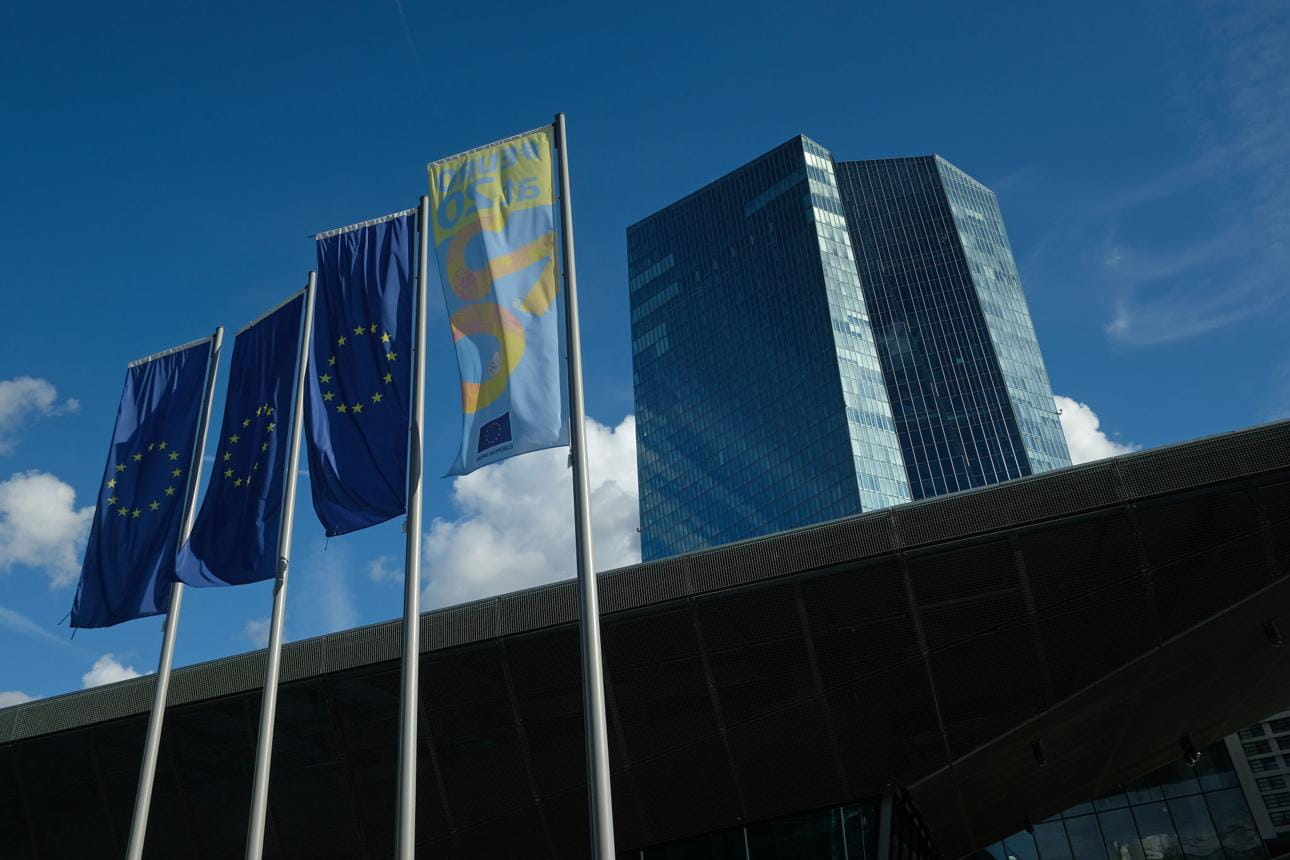
The legislative path is uncertain. The Grids Package has been flagged as a priority file, which should speed its passage, but agreement among member states with very different network conditions and fiscal capacities is unlikely before late this year at the earliest. National regulators guard their authority over tariffs jealously, and cross-border projects routinely stall on disputes over who pays for infrastructure that benefits a neighbour. The Commission’s challenge is to turn a continental vision into thousands of local permits and pylons, each of which can be contested. The trillion-euro number captures the ambition; the coming negotiations will reveal how much of it Europe is actually prepared to spend.