Ragusa: The Salmonella Strathcona outbreak that has circled Europe since 2023 is not over, according to the European Centre for Disease Prevention and Control. In its weekly threats report for 3 to 9 October 2026, the agency recorded more than 160 new cases this year across 10 EU and EEA countries. Most patients fell ill between July and September, a pattern that points to the summer harvest and the weeks that follow it.
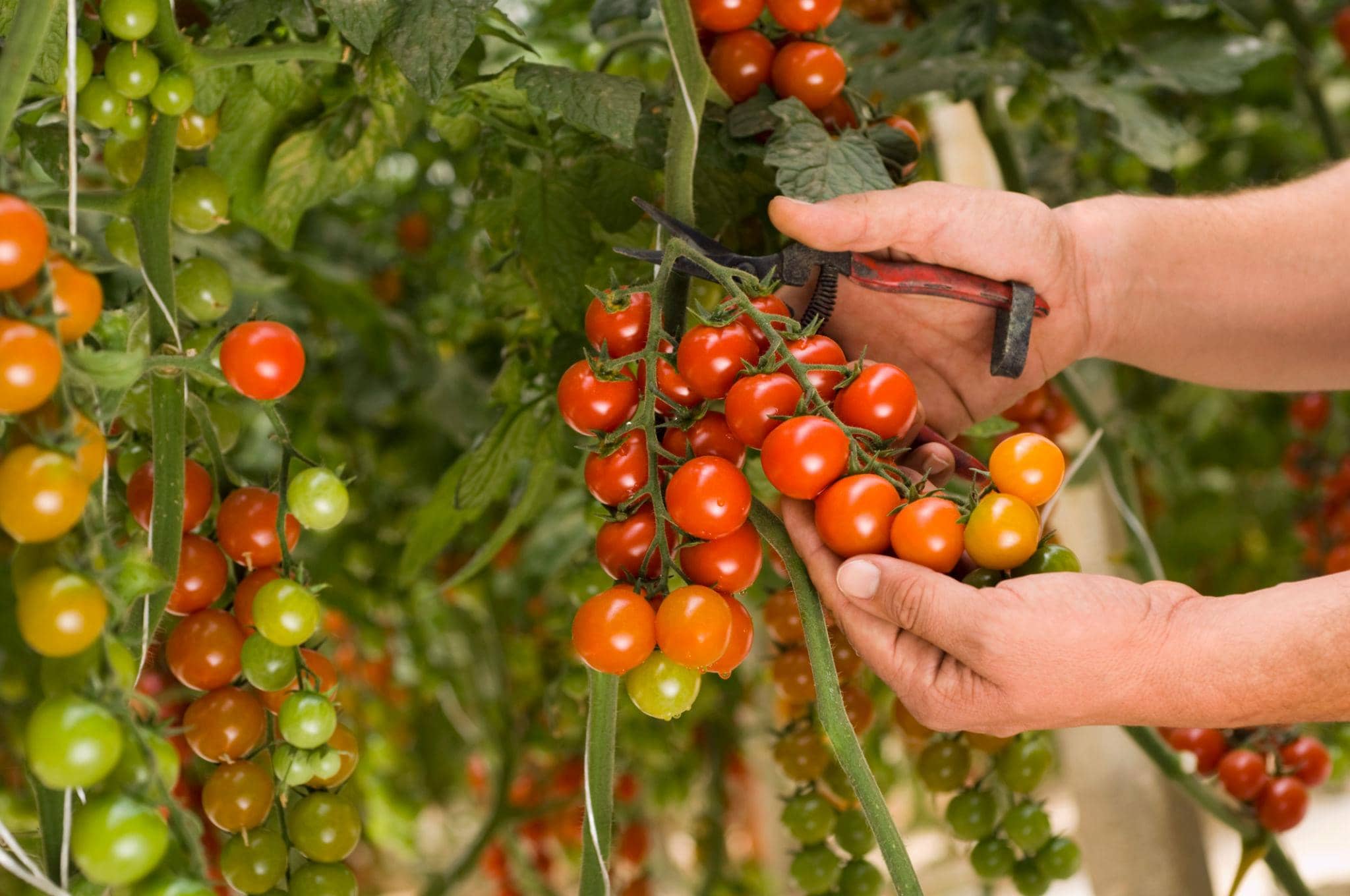
Investigators have traced the infections to small tomatoes grown in Sicily, Italy, which they identify as the likely vehicle. The Salmonella Strathcona outbreak strain carries the sequence type ST2559, a label that lets laboratories in different countries match their samples and show that patients share a common source. Since January 2023 the Union has recorded more than 800 confirmed cases linked to the cluster.
The sharpest warning in the ECDC report concerns the future. The agency says the source is not yet fully controlled, and it expects further infections in coming seasons. A Salmonella Strathcona outbreak that returns each summer shows that controls along the supply chain have not yet closed the gap, even after years of investigation.
ECDC and the European Food Safety Authority have worked on this cluster together. Their joint rapid outbreak assessment of the prolonged cross-border event linked it to small tomatoes, and the new figures show that the finding still matters in 2026. EFSA follows the food, while ECDC follows the human cases, so the two agencies need each other’s data to track a Salmonella Strathcona outbreak across borders.
The same weekly report covers other threats. West Nile virus has produced 1,855 locally acquired human cases across 18 European countries, and ten countries reported 143 measles cases in August. The Salmonella case stands apart because investigators can point to a single food from a known region, which gives authorities a clear place to focus their controls.
For consumers the practical risk is modest but real. Salmonella infection usually causes diarrhoea, fever and stomach cramps, and it can be serious for young children, older adults and people with weak immune systems. Authorities in the affected countries can use traceback and recalls to remove contaminated produce from shelves.
The next test comes with the 2027 growing season. If the Salmonella Strathcona outbreak fades, controls on the Sicilian supply chain will have worked. If it returns, as ECDC expects, health and food safety authorities will face another year of cases tied to the same small tomatoes.