Alexandria: The Commission has launched the T-MED investment platform, a scheme that offers up to 4.5 billion euros in guarantee capacity to draw private money into renewable energy and clean technology around the Mediterranean. The launch took place on 26 October 2026 at an event in Brussels, and the platform forms part of the Mediterranean Pact.
The guarantees come from the European Fund for Sustainable Development. They are meant to reduce the risk for investors and lenders, so that private capital follows. By 2035 the T-MED investment platform aims to mobilise up to 25 billion euros for renewable generation, electricity grids, interconnections and clean technologies, and to train 10,000 workers. Guarantee capacity is a ceiling on exposure, not a grant, so projects still have to attract investors on their own merits.
Mediterranean Commissioner Dubravka Šuica said the T-MED investment platform will help turn promising projects into concrete investments that create jobs and support growth. She described clean energy as a driver of shared prosperity, competitiveness and security. The event brought together European and international financial institutions, private investors and project developers to identify projects that could receive Commission support.
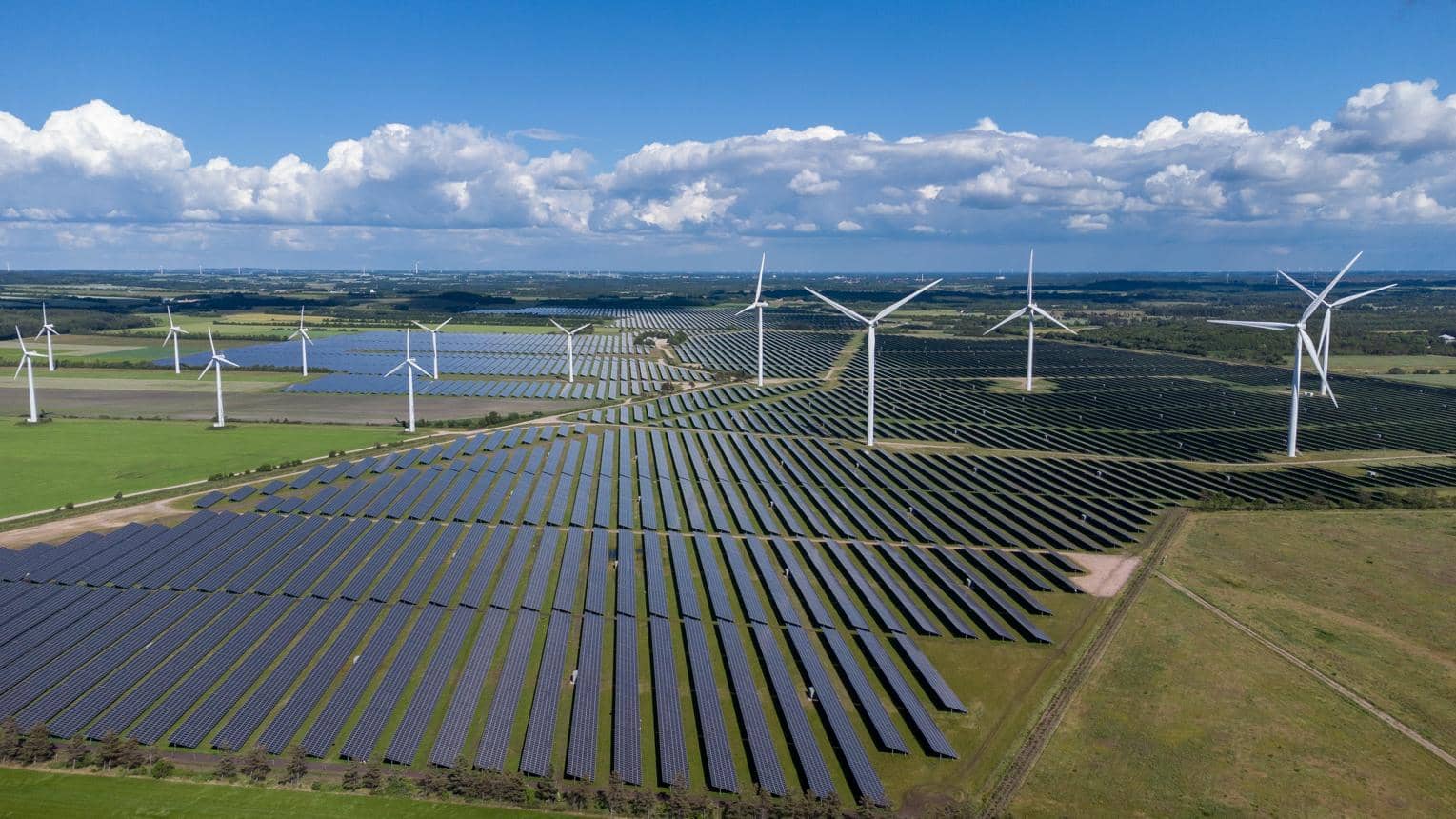
The Commission points to two examples. In Egypt, a grid project worth 1.6 billion euros will modernise transmission lines so that solar and wind power from the Red Sea and Gulf of Suez regions can reach the national grid. In Tunisia, the EU backs two solar plants of 100 megawatts each, together with transmission infrastructure, with support of about 92 million and 80 million euros.
The T-MED investment platform also goes beyond money. It promises help with regulatory frameworks, authorisation procedures, grid access and power purchase agreements, as well as skills programmes and local clean-technology supply chains. Slow permits and weak grids often hold back renewable projects more than a lack of funds does.
The figures need careful reading. The guarantee capacity is an upper limit, and the 25 billion euros is a target, not committed spending. The Egypt and Tunisia examples describe existing projects, so the report does not make clear how much of the money is new. It also gives no details on governance, eligibility or how the 4.5 billion euros will be divided.
Investors will look for those details next. If the T-MED investment platform publishes clear selection rules and delivers projects before 2030, it could support Europe’s energy security by linking Mediterranean renewables to European demand. If the rules stay vague, the platform risks being seen as a relabelling of earlier aid.