August 10, 2026
LATEST
Europe’s Air Quality Improves but WHO Limits LoomTwelve New EU Medicines Win a Green Light from EMAFIFA Agent Rules Must Answer to Europe’s CourtsTachograph Rules Now Reach Vans Crossing Europe’s BordersNature Restoration Plans Come Due as a Hard Deadline NearsBrussels Opens a State Aid Probe Into Spain’s Renewables PayoutBrussels Extends Its Tariff Suspension on US Goods IndefinitelyFarmers Win Stronger Contract Rights Across the EU Supply ChainEurope Finally Locks In Its 348-Satellite Answer to StarlinkPlatform Work Rules Face a National Scramble Before DecemberDuty-Free Parcels Reach the End of the Line for EU ShoppersAfter Nine Years, Europe and Australia Seal a Trade PactBeijing Answers Europe’s Russia Sanctions in KindOne Year On, the EU-Japan Alliance Faces Its First TestEurope’s Chip Ambitions Still Run Through Taiwan’s FabsWhy South Korea Bet Its Research Future on Europe’s ProgrammeEurope and Japan Deepen Their Economic Alliance as Rivals CircleFive Joint Defence Projects Launch Europe’s Military ShieldElectrification Plan Aims to Make Europe First Electro ContinentHorizon Europe Budget Fight Heats Up as Ministers Push BackEurope’s Air Quality Improves but WHO Limits LoomTwelve New EU Medicines Win a Green Light from EMAFIFA Agent Rules Must Answer to Europe’s CourtsTachograph Rules Now Reach Vans Crossing Europe’s BordersNature Restoration Plans Come Due as a Hard Deadline NearsBrussels Opens a State Aid Probe Into Spain’s Renewables PayoutBrussels Extends Its Tariff Suspension on US Goods IndefinitelyFarmers Win Stronger Contract Rights Across the EU Supply ChainEurope Finally Locks In Its 348-Satellite Answer to StarlinkPlatform Work Rules Face a National Scramble Before DecemberDuty-Free Parcels Reach the End of the Line for EU ShoppersAfter Nine Years, Europe and Australia Seal a Trade PactBeijing Answers Europe’s Russia Sanctions in KindOne Year On, the EU-Japan Alliance Faces Its First TestEurope’s Chip Ambitions Still Run Through Taiwan’s FabsWhy South Korea Bet Its Research Future on Europe’s ProgrammeEurope and Japan Deepen Their Economic Alliance as Rivals CircleFive Joint Defence Projects Launch Europe’s Military ShieldElectrification Plan Aims to Make Europe First Electro ContinentHorizon Europe Budget Fight Heats Up as Ministers Push Back
August 10, 2026
LATEST
Europe’s Air Quality Improves but WHO Limits LoomTwelve New EU Medicines Win a Green Light from EMAFIFA Agent Rules Must Answer to Europe’s CourtsTachograph Rules Now Reach Vans Crossing Europe’s BordersNature Restoration Plans Come Due as a Hard Deadline NearsBrussels Opens a State Aid Probe Into Spain’s Renewables PayoutBrussels Extends Its Tariff Suspension on US Goods IndefinitelyFarmers Win Stronger Contract Rights Across the EU Supply ChainEurope Finally Locks In Its 348-Satellite Answer to StarlinkPlatform Work Rules Face a National Scramble Before DecemberDuty-Free Parcels Reach the End of the Line for EU ShoppersAfter Nine Years, Europe and Australia Seal a Trade PactBeijing Answers Europe’s Russia Sanctions in KindOne Year On, the EU-Japan Alliance Faces Its First TestEurope’s Chip Ambitions Still Run Through Taiwan’s FabsWhy South Korea Bet Its Research Future on Europe’s ProgrammeEurope and Japan Deepen Their Economic Alliance as Rivals CircleFive Joint Defence Projects Launch Europe’s Military ShieldElectrification Plan Aims to Make Europe First Electro ContinentHorizon Europe Budget Fight Heats Up as Ministers Push BackEurope’s Air Quality Improves but WHO Limits LoomTwelve New EU Medicines Win a Green Light from EMAFIFA Agent Rules Must Answer to Europe’s CourtsTachograph Rules Now Reach Vans Crossing Europe’s BordersNature Restoration Plans Come Due as a Hard Deadline NearsBrussels Opens a State Aid Probe Into Spain’s Renewables PayoutBrussels Extends Its Tariff Suspension on US Goods IndefinitelyFarmers Win Stronger Contract Rights Across the EU Supply ChainEurope Finally Locks In Its 348-Satellite Answer to StarlinkPlatform Work Rules Face a National Scramble Before DecemberDuty-Free Parcels Reach the End of the Line for EU ShoppersAfter Nine Years, Europe and Australia Seal a Trade PactBeijing Answers Europe’s Russia Sanctions in KindOne Year On, the EU-Japan Alliance Faces Its First TestEurope’s Chip Ambitions Still Run Through Taiwan’s FabsWhy South Korea Bet Its Research Future on Europe’s ProgrammeEurope and Japan Deepen Their Economic Alliance as Rivals CircleFive Joint Defence Projects Launch Europe’s Military ShieldElectrification Plan Aims to Make Europe First Electro ContinentHorizon Europe Budget Fight Heats Up as Ministers Push Back

Traders Ready For Europe’s Biggest Customs Overhaul Since 1968

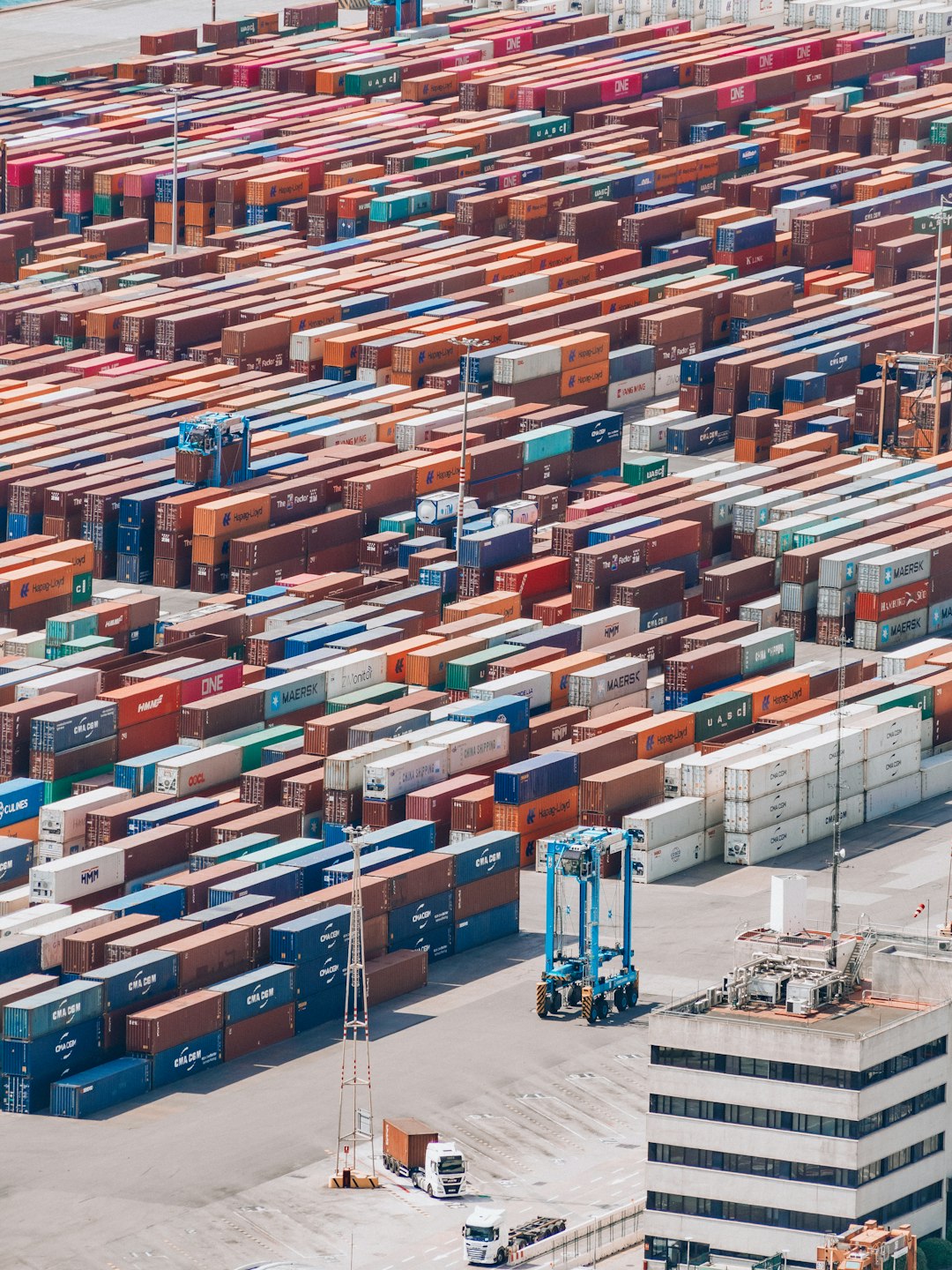
Antwerp: In the docks and warehouses where Europe meets the rest of the world, a quiet revolution is being prepared. In late March, negotiators from the Council and the Parliament struck a political agreement on the most significant overhaul of the bloc’s customs rules since the customs union was created in 1968. The reform rewrites the Union Customs Code around data rather than paper, and it will reshape how more than a continent’s worth of goods crosses the external frontier.

At the centre of the new system sits a single EU Customs Data Hub. Instead of filing separate declarations with each national administration, traders will submit customs and product information once, through one online platform, and let authorities draw on it as needed. The hub will open first for e-commerce goods on the first of July 2028, with a phased rollout pulling all movements of goods into its scope by 2034. The Commission estimates the change could save businesses around 26 billion euros over fifteen years and hand member states more than two billion euros a year in operational savings.

Running the machinery will be a new EU Customs Authority, headquartered in Lille and expected to employ some 285 staff. Its job is to centralise data and analytics, build and maintain the hub, and coordinate risk management at the European level so that controls are smarter and more consistent than the patchwork of national approaches they replace. The ambition is a customs union that behaves like one system rather than 27 loosely aligned ones.

For the booming world of online shopping, the reform lands hard. Under the new rules, platforms and distance sellers shipping into the bloc are treated as the importer of the goods, responsible for ensuring customs formalities are completed and duties paid, rather than leaving the final consumer to discover unexpected charges on the doorstep. The shift addresses a flood of low-value parcels that has overwhelmed customs services and, officials argue, allowed unsafe and non-compliant products to slip through in enormous volumes.

Alongside the hub, the reform introduces a Trust and Check trader status, a tier of trusted operators granted lighter-touch treatment in exchange for opening their systems to authorities. The idea is to reward reliable, transparent businesses with faster clearance while concentrating scrutiny on higher-risk flows. For large importers with sophisticated compliance functions, the prize is speed; for authorities, it is the ability to focus finite resources where they matter most.

The transition will not be painless. Building a data hub of this scale is a formidable technical undertaking, and the timelines stretch years into the future precisely because the systems and the cultural change behind them are so complex. Smaller traders worry about the cost of adapting, and national administrations must align practices they have run their own way for decades.

Still, the direction is set. After more than half a century in which customs rules accreted layer by national layer, the bloc has committed to a single, data-driven architecture for the goods that keep its economy moving. The agreement in March was the easy part. Making the hub work by the end of the decade is the real test.