October 16, 2026
LATEST
Year-End Signing Looms For EU-India Free Trade AgreementCanberra Awaits Signature Of EU-Australia Free Trade AgreementMcGrath Readies Digital Fairness Act For Late 2026Platform Work Directive Deadline Nears As Capitals LagMarket Integration Package Gives ESMA Direct PowersFreedom Of Navigation Sanctions Test EU Unity On Hormuz ShippingTobacco Tax Directive Stays Stuck As One Veto Can Sink The DealLeaders Weigh Targeted EU Energy Price Measures As Gas Jumps 140 percentEU Space Funding After 2027 Puts Galileo In QuestionUkraine Accession Agriculture Terms Fence Off Grain AccessVAT Reverse Charge Mechanism Set For Four More YearsGulf Speakers Prepare The EU-GCC Summit At Parliament In BrusselsPlenary Vote Looms On The Critical Raw Materials Act RewriteMercosur Agreement Survives Poland’s Bid To Freeze Provisional UseGlobal Gateway Africa Hits €120 Billion As 2027 Target Draws NearEU Ukraine Loan Covers 2026 While Frozen Assets Wait For DecemberRussian Diplomats Movement Curbs Move Toward Host Country LimitsKosovo Growth Plan Money Hinges On A Surge Of ReformsIndonesia EU CEPA Signing Targets Late October Amid Language DisputeAI in Science Summit Tests RAISE In Dublin This WeekYear-End Signing Looms For EU-India Free Trade AgreementCanberra Awaits Signature Of EU-Australia Free Trade AgreementMcGrath Readies Digital Fairness Act For Late 2026Platform Work Directive Deadline Nears As Capitals LagMarket Integration Package Gives ESMA Direct PowersFreedom Of Navigation Sanctions Test EU Unity On Hormuz ShippingTobacco Tax Directive Stays Stuck As One Veto Can Sink The DealLeaders Weigh Targeted EU Energy Price Measures As Gas Jumps 140 percentEU Space Funding After 2027 Puts Galileo In QuestionUkraine Accession Agriculture Terms Fence Off Grain AccessVAT Reverse Charge Mechanism Set For Four More YearsGulf Speakers Prepare The EU-GCC Summit At Parliament In BrusselsPlenary Vote Looms On The Critical Raw Materials Act RewriteMercosur Agreement Survives Poland’s Bid To Freeze Provisional UseGlobal Gateway Africa Hits €120 Billion As 2027 Target Draws NearEU Ukraine Loan Covers 2026 While Frozen Assets Wait For DecemberRussian Diplomats Movement Curbs Move Toward Host Country LimitsKosovo Growth Plan Money Hinges On A Surge Of ReformsIndonesia EU CEPA Signing Targets Late October Amid Language DisputeAI in Science Summit Tests RAISE In Dublin This Week
October 16, 2026
LATEST
Year-End Signing Looms For EU-India Free Trade AgreementCanberra Awaits Signature Of EU-Australia Free Trade AgreementMcGrath Readies Digital Fairness Act For Late 2026Platform Work Directive Deadline Nears As Capitals LagMarket Integration Package Gives ESMA Direct PowersFreedom Of Navigation Sanctions Test EU Unity On Hormuz ShippingTobacco Tax Directive Stays Stuck As One Veto Can Sink The DealLeaders Weigh Targeted EU Energy Price Measures As Gas Jumps 140 percentEU Space Funding After 2027 Puts Galileo In QuestionUkraine Accession Agriculture Terms Fence Off Grain AccessVAT Reverse Charge Mechanism Set For Four More YearsGulf Speakers Prepare The EU-GCC Summit At Parliament In BrusselsPlenary Vote Looms On The Critical Raw Materials Act RewriteMercosur Agreement Survives Poland’s Bid To Freeze Provisional UseGlobal Gateway Africa Hits €120 Billion As 2027 Target Draws NearEU Ukraine Loan Covers 2026 While Frozen Assets Wait For DecemberRussian Diplomats Movement Curbs Move Toward Host Country LimitsKosovo Growth Plan Money Hinges On A Surge Of ReformsIndonesia EU CEPA Signing Targets Late October Amid Language DisputeAI in Science Summit Tests RAISE In Dublin This WeekYear-End Signing Looms For EU-India Free Trade AgreementCanberra Awaits Signature Of EU-Australia Free Trade AgreementMcGrath Readies Digital Fairness Act For Late 2026Platform Work Directive Deadline Nears As Capitals LagMarket Integration Package Gives ESMA Direct PowersFreedom Of Navigation Sanctions Test EU Unity On Hormuz ShippingTobacco Tax Directive Stays Stuck As One Veto Can Sink The DealLeaders Weigh Targeted EU Energy Price Measures As Gas Jumps 140 percentEU Space Funding After 2027 Puts Galileo In QuestionUkraine Accession Agriculture Terms Fence Off Grain AccessVAT Reverse Charge Mechanism Set For Four More YearsGulf Speakers Prepare The EU-GCC Summit At Parliament In BrusselsPlenary Vote Looms On The Critical Raw Materials Act RewriteMercosur Agreement Survives Poland’s Bid To Freeze Provisional UseGlobal Gateway Africa Hits €120 Billion As 2027 Target Draws NearEU Ukraine Loan Covers 2026 While Frozen Assets Wait For DecemberRussian Diplomats Movement Curbs Move Toward Host Country LimitsKosovo Growth Plan Money Hinges On A Surge Of ReformsIndonesia EU CEPA Signing Targets Late October Amid Language DisputeAI in Science Summit Tests RAISE In Dublin This Week

Youth Physical Activity Beats Adults 73.1 To 61.6 Percent In EU

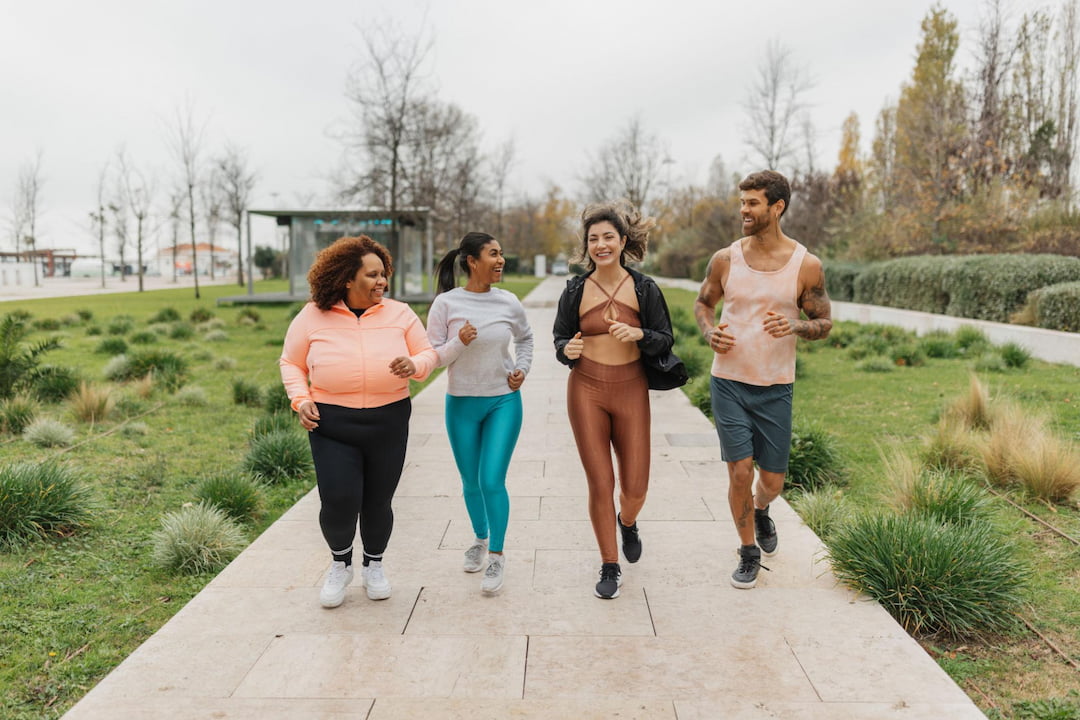
Odense: Youth physical activity in the European Union is markedly higher than among adults, according to Eurostat data for 2025 published on 7 October 2026. Some 73.1 percent of people aged 16 to 29 took part in sport or exercise in their free time at least once a week, compared with 61.6 percent of everyone aged 16 and over.

The advantage in youth physical activity widens when frequency is considered. Among young people, 18.3 percent exercised four to six times a week, against 12.8 percent of the whole population. The share who were active every day is almost identical, at 20.9 percent for the young and 20.2 percent for all adults. The difference shows up at the other end of the scale, where 16.3 percent of young people said they were never active, compared with 26.0 percent of the total population.

Gender differences remain visible. Among young men, 20.6 percent exercised four to six times a week, while the figure for young women was 16 percent. Young women were also more likely to report no activity outside work, at 17.8 percent compared with 14.9 percent of young men. The pattern suggests that school sport and club structures reach boys more reliably than girls once teenagers leave compulsory education.

National results differ sharply. Malta has the highest share of young people who are not active outside work, at 31 percent, followed by Portugal at 28.5 percent and Bulgaria at 28.4 percent. Italy lands in the middle of the table at 22.1 percent. At the opposite end, Greece, Denmark, Finland and the Netherlands report very low shares of inactive young people, which points to strong sport cultures or well-funded local clubs in those countries.

For culture and education ministers, these numbers carry practical meaning. Sport and physical education fall under the Union’s education and youth agenda, and the Erasmus+ programme funds sport projects alongside student exchanges. Youth physical activity is also a public health matter, because habits formed before the age of 30 tend to last, and inactive young adults are more likely to become inactive adults.

The data also raise a question about what happens next. Young people exercise more often than their parents, but the advantage may fade as they move into full-time work, where the share of people with no leisure activity grows. Youth physical activity can fade once full-time work begins, so employers, universities and municipalities all have a role in keeping that early lead from slipping away.

The Eurostat release does not explain why countries differ, and it should not be read as a ranking of national policies. It does give EU institutions a clean baseline. If they want youth physical activity to keep outpacing adult activity, they now know where it is strongest, where it lags, and which groups of young people are most likely to be left out.