November 23, 2026
LATEST
Dutch Chip Equipment Export Curbs Cloud the EU-China Trade ThawCanada’s Associate Membership Model Tempts Japan, Korea and AustraliaAustralia Seals Horizon Europe Association as Trade Deal StallsChinese Overcapacity Fight Needs Horizontal Trade Tools, MEPs InsistCernavodă Nuclear Plant Overhaul Gets €400 Million EIB BoostGrounded Flights Mark Belgium National Strike on MondayArmenian Researchers Triple Their Horizon Europe Haul to €10.78mMultimodal Booking Rules Face a Blocking Minority Before 30 NovemberGrid Permitting Deal Caps Rooftop Solar Approvals at Three MonthsWinter Relief for Ukraine Leans on Generators, Buses and BridgesBlack Sea Security Hub Draws €50 Million From a Ten-Partner TableEDPS Europol Ruling Denies Privacy Watchdog Standing to SueUnpaid Carers Await a European Care Deal Promised for 2027Second EU-UK Summit Seals Food, Carbon and Youth PactsDigital Markets Act Compliance Is Cosmetic, BEUC Warns GatekeepersBanking Competitiveness Report Heads to a 1 December ECON ShowdownAviation Emissions Trading Plan Meets Gulf Pushback at ICAO MontrealEPPO Powers Expansion Wins Backing in Joint Committee VoteOceanEye Alliance Reaches 33 Members After COP31 PushRussian Athletes Divide EU Sport Ministers Over Visa CurbsDutch Chip Equipment Export Curbs Cloud the EU-China Trade ThawCanada’s Associate Membership Model Tempts Japan, Korea and AustraliaAustralia Seals Horizon Europe Association as Trade Deal StallsChinese Overcapacity Fight Needs Horizontal Trade Tools, MEPs InsistCernavodă Nuclear Plant Overhaul Gets €400 Million EIB BoostGrounded Flights Mark Belgium National Strike on MondayArmenian Researchers Triple Their Horizon Europe Haul to €10.78mMultimodal Booking Rules Face a Blocking Minority Before 30 NovemberGrid Permitting Deal Caps Rooftop Solar Approvals at Three MonthsWinter Relief for Ukraine Leans on Generators, Buses and BridgesBlack Sea Security Hub Draws €50 Million From a Ten-Partner TableEDPS Europol Ruling Denies Privacy Watchdog Standing to SueUnpaid Carers Await a European Care Deal Promised for 2027Second EU-UK Summit Seals Food, Carbon and Youth PactsDigital Markets Act Compliance Is Cosmetic, BEUC Warns GatekeepersBanking Competitiveness Report Heads to a 1 December ECON ShowdownAviation Emissions Trading Plan Meets Gulf Pushback at ICAO MontrealEPPO Powers Expansion Wins Backing in Joint Committee VoteOceanEye Alliance Reaches 33 Members After COP31 PushRussian Athletes Divide EU Sport Ministers Over Visa Curbs

Critical Raw Materials Stockpile Puts Porto Marghera on the Map

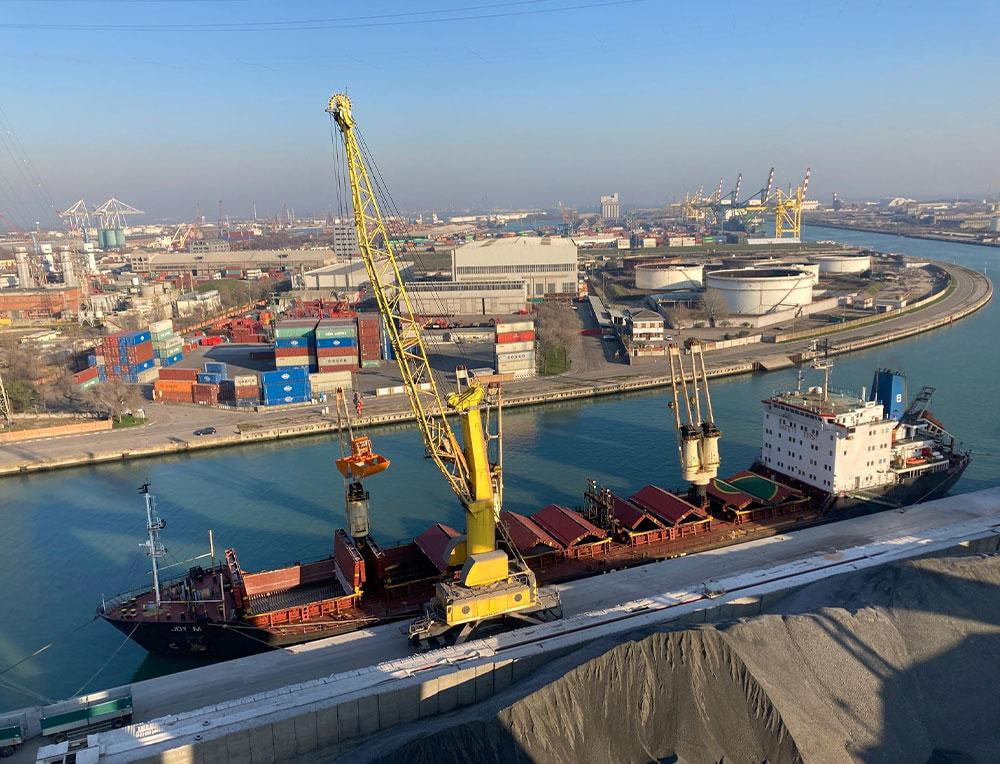
Europe’s first critical raw materials stockpile will take shape around Porto Marghera, the industrial port next to Venice. Italy’s enterprise ministry said on 19 November 2026 that the Commission had picked a joint Italian and Dutch proposal to host the pilot reserve. The choice of a home for the critical raw materials stockpile turns years of talk about strategic stocks into a concrete site, but it leaves the hardest questions unanswered.

Why the EU wants a critical raw materials stockpile

The logic is defensive. China accounts for roughly 70% of rare earth mining and about 90% of refining, and Beijing has shown it will restrict exports when trade tensions rise. A reserve gives European manufacturers a buffer of weeks or months while they find other suppliers.

The pilot starts with rare earths and tungsten, two materials vital for permanent magnets, defence systems and cutting tools. Port authorities say lithium, graphite and platinum-group metals could follow. The model borrows from the emergency oil and gas stocks that member states already hold under EU law.

Italy built the plan with Cassa Depositi e Prestiti, its state-backed lender, under the Critical Raw Materials Act. A second site is reported for the North Sea area near Rotterdam, giving the network a northern and a southern gateway.

The logistics behind Porto Marghera

Venice’s port does not work alone. The proposal links it to the Quadrante Europa freight terminal in Verona on the Brenner rail corridor, and to the ports of Trieste and Ravenna. A privately owned dolomite mine in Trentino’s Val di Non could provide extra underground storage.

That geography matters for any critical raw materials stockpile. Rail access over the Brenner Pass puts German automotive and machinery plants within reach, which explains the political interest from Berlin. Chancellor Friedrich Merz told a Berlin economic conference on 5 November that Europe must build joint stocks of critical inputs, alongside more recycling and supplier diversification.

What remains undecided

The announcement disclosed no investment figure, no target tonnage and no timetable. Funding rules, procurement methods and the conditions for releasing material all still need agreement. Those details will decide whether the critical raw materials stockpile works as a crisis tool or becomes an expensive warehouse.

The governance question runs in parallel. On 4 November, Parliament and Council opened talks on a revised Critical Raw Materials Act and a future European Critical Raw Materials Centre. A Commission non-paper sets four goals for the centre: limiting short-term disruption, clearing obstacles for projects and SMEs, pooling demand through joint purchasing, and improving risk monitoring.

The paper offers three operating models. The most interventionist combines public reserves, stockpiling and mandatory company reporting. It also lists three governance options, from a unit inside the Commission to a decentralised agency, with Japan’s JOGMEC cited as a reference. Negotiators made limited progress and meet again on 9 December.

Our analysis of the economic security trade-offs

A pilot critical raw materials stockpile carries real costs. Raw materials can already cost up to five times more in Europe than in China, and buying stock at scale could push prices higher in the short run. Holding inventory also ties up public capital that could fund mines or refineries instead.

Yet the alternative carries larger risks. The Act targets 10% domestic extraction, 40% processing and 25% recycling by 2030, plus a cap of 65% dependence on any single third country. Europe remains far from those benchmarks, and the 46 strategic projects selected in October 2026 will take years to produce.

The critical raw materials stockpile therefore buys time rather than independence. Its success will depend on clear release rules, joint buying that avoids bidding wars between capitals, and a centre with enough authority to act fast when supply breaks.