August 9, 2026
LATEST
New EU Gas Market Rules Take Effect With Consumer SafeguardsDeforestation Regulation Holds Its December Deadline Despite CutsDigital Omnibus Delays Europe’s High-Risk AI Deadline to 2027Europe’s Schools Confront a Widening Basic Skills GapRule of Law Report Finds Progress but Trust Still LagsIRIS2 Gains 66 Satellites as Brussels Signs the Rollout DealNature Restoration Plans Come Due as Member States Race a DeadlineECB Rates Hold at 2.25 Percent as Frankfurt Waits on the DataEU Budget Talks Turn to Cohesion as Ireland Takes OverWildfire Response Stretches Europe’s Emergency Fleet ThinCan Europe’s Quantum Plan Match Its Big Ambitions?Armenia Edges West as Moscow’s Grip Slips AwayEurope Inherits the World’s Aid Bill It Cannot Fully PayAir Passenger Rights Get Their First Overhaul in Two DecadesErasmus Opens a 5 Billion Euro Round for Skills and MobilityCeuta Crisis Pushes the EU Toward Faster Migrant ReturnsBulky Parcels Face a Packaging Crackdown From August 12Can Europe Build Its Drone Wall Before 2030 Arrives?Indonesia’s Trade Deal With Europe Nears Its Final SignatureEurope Leans on Beijing to Keep Climate Talks Alive Before AntalyaNew EU Gas Market Rules Take Effect With Consumer SafeguardsDeforestation Regulation Holds Its December Deadline Despite CutsDigital Omnibus Delays Europe’s High-Risk AI Deadline to 2027Europe’s Schools Confront a Widening Basic Skills GapRule of Law Report Finds Progress but Trust Still LagsIRIS2 Gains 66 Satellites as Brussels Signs the Rollout DealNature Restoration Plans Come Due as Member States Race a DeadlineECB Rates Hold at 2.25 Percent as Frankfurt Waits on the DataEU Budget Talks Turn to Cohesion as Ireland Takes OverWildfire Response Stretches Europe’s Emergency Fleet ThinCan Europe’s Quantum Plan Match Its Big Ambitions?Armenia Edges West as Moscow’s Grip Slips AwayEurope Inherits the World’s Aid Bill It Cannot Fully PayAir Passenger Rights Get Their First Overhaul in Two DecadesErasmus Opens a 5 Billion Euro Round for Skills and MobilityCeuta Crisis Pushes the EU Toward Faster Migrant ReturnsBulky Parcels Face a Packaging Crackdown From August 12Can Europe Build Its Drone Wall Before 2030 Arrives?Indonesia’s Trade Deal With Europe Nears Its Final SignatureEurope Leans on Beijing to Keep Climate Talks Alive Before Antalya
August 9, 2026
LATEST
New EU Gas Market Rules Take Effect With Consumer SafeguardsDeforestation Regulation Holds Its December Deadline Despite CutsDigital Omnibus Delays Europe’s High-Risk AI Deadline to 2027Europe’s Schools Confront a Widening Basic Skills GapRule of Law Report Finds Progress but Trust Still LagsIRIS2 Gains 66 Satellites as Brussels Signs the Rollout DealNature Restoration Plans Come Due as Member States Race a DeadlineECB Rates Hold at 2.25 Percent as Frankfurt Waits on the DataEU Budget Talks Turn to Cohesion as Ireland Takes OverWildfire Response Stretches Europe’s Emergency Fleet ThinCan Europe’s Quantum Plan Match Its Big Ambitions?Armenia Edges West as Moscow’s Grip Slips AwayEurope Inherits the World’s Aid Bill It Cannot Fully PayAir Passenger Rights Get Their First Overhaul in Two DecadesErasmus Opens a 5 Billion Euro Round for Skills and MobilityCeuta Crisis Pushes the EU Toward Faster Migrant ReturnsBulky Parcels Face a Packaging Crackdown From August 12Can Europe Build Its Drone Wall Before 2030 Arrives?Indonesia’s Trade Deal With Europe Nears Its Final SignatureEurope Leans on Beijing to Keep Climate Talks Alive Before AntalyaNew EU Gas Market Rules Take Effect With Consumer SafeguardsDeforestation Regulation Holds Its December Deadline Despite CutsDigital Omnibus Delays Europe’s High-Risk AI Deadline to 2027Europe’s Schools Confront a Widening Basic Skills GapRule of Law Report Finds Progress but Trust Still LagsIRIS2 Gains 66 Satellites as Brussels Signs the Rollout DealNature Restoration Plans Come Due as Member States Race a DeadlineECB Rates Hold at 2.25 Percent as Frankfurt Waits on the DataEU Budget Talks Turn to Cohesion as Ireland Takes OverWildfire Response Stretches Europe’s Emergency Fleet ThinCan Europe’s Quantum Plan Match Its Big Ambitions?Armenia Edges West as Moscow’s Grip Slips AwayEurope Inherits the World’s Aid Bill It Cannot Fully PayAir Passenger Rights Get Their First Overhaul in Two DecadesErasmus Opens a 5 Billion Euro Round for Skills and MobilityCeuta Crisis Pushes the EU Toward Faster Migrant ReturnsBulky Parcels Face a Packaging Crackdown From August 12Can Europe Build Its Drone Wall Before 2030 Arrives?Indonesia’s Trade Deal With Europe Nears Its Final SignatureEurope Leans on Beijing to Keep Climate Talks Alive Before Antalya

Can 25 Billion Make the Mediterranean Europe’s Clean Power Hub

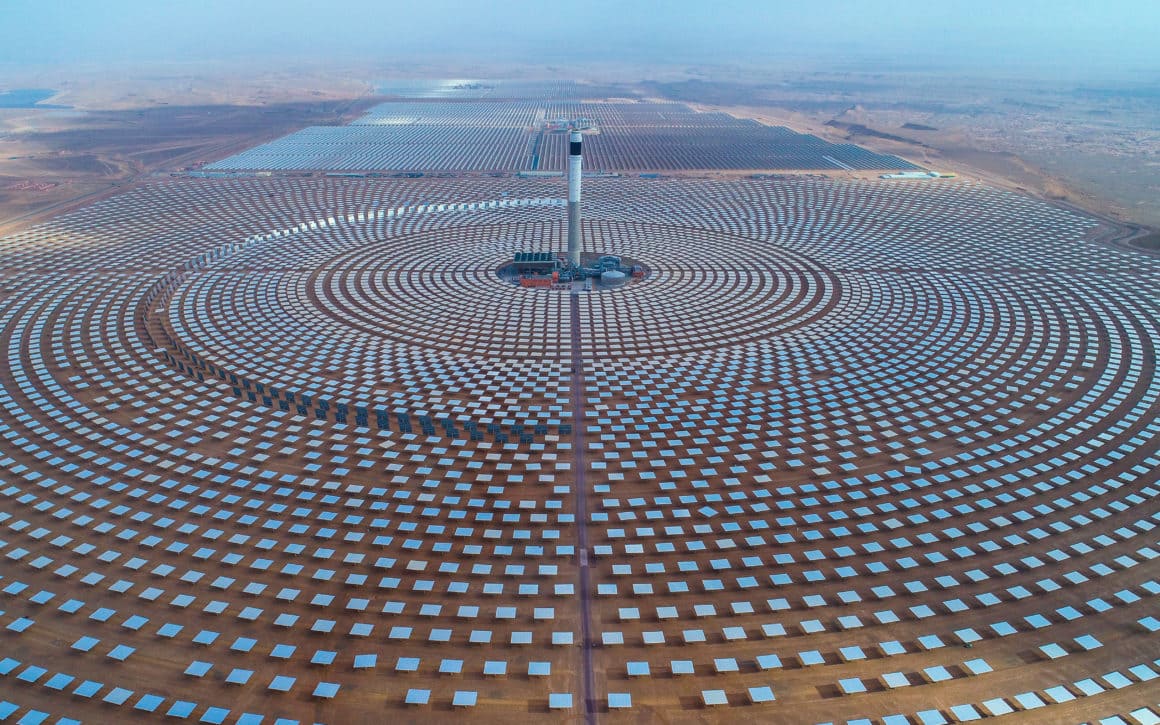
Brussels: The European Union’s new Trans-Mediterranean Renewable Energy and Clean-Tech Cooperation initiative, known as T-MED, is the clearest sign yet that Europe wants its southern neighbourhood to become a partner in clean energy rather than merely a supplier of fossil fuels. The plan aims to mobilise up to 25 billion euros for renewable energy and clean technology by 2035 and sits at the centre of the broader Pact for the Mediterranean. The ambition is real, but the arithmetic of how that figure is assembled deserves scrutiny.

The headline sum is a mobilisation target, not a cheque. The Commission has committed more than 5 billion euros in guarantee capacity under the European Fund for Sustainable Development Plus, the instrument designed to absorb early risk so that public and private investors will follow. The theory is leverage. A relatively modest pool of public guarantees is meant to crowd in roughly five times as much private capital. That model has worked before, but it depends on the underlying projects being bankable and on partner governments offering the regulatory stability that lenders require. Guarantees reduce risk; they do not erase it.

The targets attached to T-MED are concrete enough to be judged against. By 2035 the initiative aims to support at least 15 gigawatts of new renewable capacity and to create more than 100,000 jobs in clean energy. Fifteen gigawatts is a meaningful addition across a region blessed with abundant sun and wind, though it is modest beside the scale of demand growth expected on both shores of the Mediterranean. The job figure will depend heavily on whether manufacturing genuinely takes root locally or whether the region simply installs equipment built elsewhere.

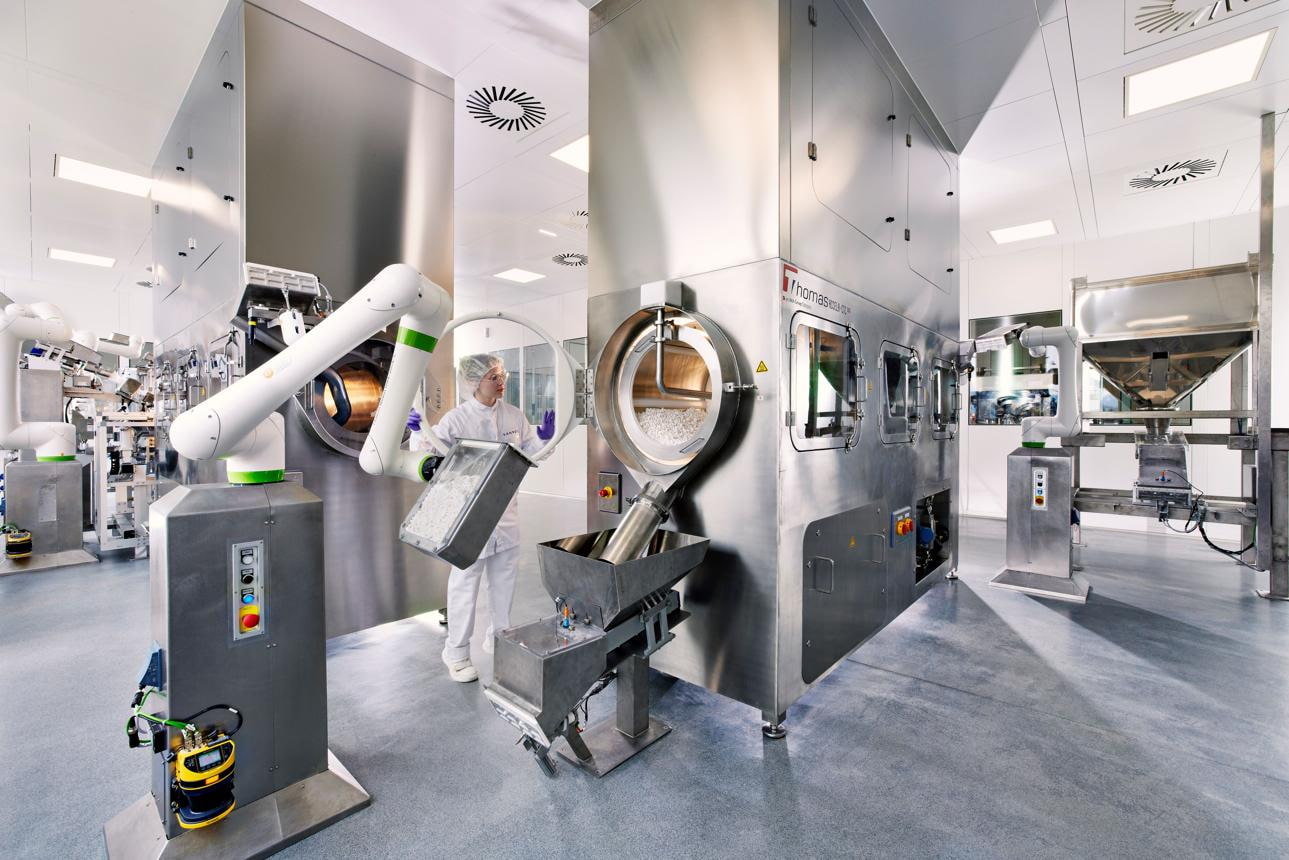
That distinction explains the most strategically interesting part of the plan. T-MED explicitly seeks to support local manufacturing, more resilient supply chains and industrial partnerships, alongside a skills agenda to align vocational training with the needs of the sector. This is Europe trying to avoid repeating an earlier pattern in which clean technology was conceived in one place and built almost entirely in another. If southern Mediterranean countries can capture a share of the value chain rather than just hosting solar panels, the initiative becomes a development project as much as an energy one.

Grid modernisation is the quiet prerequisite that makes the rest possible. The initiative promises support for upgrading electricity networks, cross-border trade and smarter integration of variable renewables. Without that backbone, new solar and wind capacity risks being stranded, unable to reach the European demand centres that would justify the investment. Interconnection between the two shores is technically demanding and politically sensitive, and progress here will be a better indicator of seriousness than any financing headline.

The timeline is deliberately staged. The Commission will chair the first operational meeting of the T-MED investment platform by October, and the first EU-Mediterranean clean-tech industrial collaborations are expected to take shape by 2027. Those near-term milestones are useful because they convert a long-horizon pledge into checkable steps. A plan that promises results in 2035 is easy to announce and easy to forget; a platform meeting in the autumn is something observers can actually hold the institutions to.

There are reasons for caution that the optimistic framing tends to underplay. Political instability in parts of the region, currency and offtake risk, and competition from other powers courting the same governments all complicate execution. Past Mediterranean energy visions have foundered on exactly these obstacles, promising vast solar exports that never materialised at scale. T-MED’s emphasis on guarantees, local industry and grids suggests the Commission has absorbed those lessons, designing for resilience rather than grandeur.

The decisive test will be whether the 25 billion euros is treated as a mobilisation ceiling that is approached or a slogan that is quoted. If the guarantee facility succeeds in pulling private money into bankable projects, and if grid links and local manufacturing advance in step, T-MED could anchor a genuinely integrated Mediterranean energy market. If the private capital fails to arrive, the initiative will join a long list of well-intentioned frameworks that mistook ambition for investment. The structure is sound; the execution, over the coming decade, will tell the rest.