August 9, 2026
LATEST
New EU Gas Market Rules Take Effect With Consumer SafeguardsDeforestation Regulation Holds Its December Deadline Despite CutsDigital Omnibus Delays Europe’s High-Risk AI Deadline to 2027Europe’s Schools Confront a Widening Basic Skills GapRule of Law Report Finds Progress but Trust Still LagsIRIS2 Gains 66 Satellites as Brussels Signs the Rollout DealNature Restoration Plans Come Due as Member States Race a DeadlineECB Rates Hold at 2.25 Percent as Frankfurt Waits on the DataEU Budget Talks Turn to Cohesion as Ireland Takes OverWildfire Response Stretches Europe’s Emergency Fleet ThinCan Europe’s Quantum Plan Match Its Big Ambitions?Armenia Edges West as Moscow’s Grip Slips AwayEurope Inherits the World’s Aid Bill It Cannot Fully PayAir Passenger Rights Get Their First Overhaul in Two DecadesErasmus Opens a 5 Billion Euro Round for Skills and MobilityCeuta Crisis Pushes the EU Toward Faster Migrant ReturnsBulky Parcels Face a Packaging Crackdown From August 12Can Europe Build Its Drone Wall Before 2030 Arrives?Indonesia’s Trade Deal With Europe Nears Its Final SignatureEurope Leans on Beijing to Keep Climate Talks Alive Before AntalyaNew EU Gas Market Rules Take Effect With Consumer SafeguardsDeforestation Regulation Holds Its December Deadline Despite CutsDigital Omnibus Delays Europe’s High-Risk AI Deadline to 2027Europe’s Schools Confront a Widening Basic Skills GapRule of Law Report Finds Progress but Trust Still LagsIRIS2 Gains 66 Satellites as Brussels Signs the Rollout DealNature Restoration Plans Come Due as Member States Race a DeadlineECB Rates Hold at 2.25 Percent as Frankfurt Waits on the DataEU Budget Talks Turn to Cohesion as Ireland Takes OverWildfire Response Stretches Europe’s Emergency Fleet ThinCan Europe’s Quantum Plan Match Its Big Ambitions?Armenia Edges West as Moscow’s Grip Slips AwayEurope Inherits the World’s Aid Bill It Cannot Fully PayAir Passenger Rights Get Their First Overhaul in Two DecadesErasmus Opens a 5 Billion Euro Round for Skills and MobilityCeuta Crisis Pushes the EU Toward Faster Migrant ReturnsBulky Parcels Face a Packaging Crackdown From August 12Can Europe Build Its Drone Wall Before 2030 Arrives?Indonesia’s Trade Deal With Europe Nears Its Final SignatureEurope Leans on Beijing to Keep Climate Talks Alive Before Antalya
August 9, 2026
LATEST
New EU Gas Market Rules Take Effect With Consumer SafeguardsDeforestation Regulation Holds Its December Deadline Despite CutsDigital Omnibus Delays Europe’s High-Risk AI Deadline to 2027Europe’s Schools Confront a Widening Basic Skills GapRule of Law Report Finds Progress but Trust Still LagsIRIS2 Gains 66 Satellites as Brussels Signs the Rollout DealNature Restoration Plans Come Due as Member States Race a DeadlineECB Rates Hold at 2.25 Percent as Frankfurt Waits on the DataEU Budget Talks Turn to Cohesion as Ireland Takes OverWildfire Response Stretches Europe’s Emergency Fleet ThinCan Europe’s Quantum Plan Match Its Big Ambitions?Armenia Edges West as Moscow’s Grip Slips AwayEurope Inherits the World’s Aid Bill It Cannot Fully PayAir Passenger Rights Get Their First Overhaul in Two DecadesErasmus Opens a 5 Billion Euro Round for Skills and MobilityCeuta Crisis Pushes the EU Toward Faster Migrant ReturnsBulky Parcels Face a Packaging Crackdown From August 12Can Europe Build Its Drone Wall Before 2030 Arrives?Indonesia’s Trade Deal With Europe Nears Its Final SignatureEurope Leans on Beijing to Keep Climate Talks Alive Before AntalyaNew EU Gas Market Rules Take Effect With Consumer SafeguardsDeforestation Regulation Holds Its December Deadline Despite CutsDigital Omnibus Delays Europe’s High-Risk AI Deadline to 2027Europe’s Schools Confront a Widening Basic Skills GapRule of Law Report Finds Progress but Trust Still LagsIRIS2 Gains 66 Satellites as Brussels Signs the Rollout DealNature Restoration Plans Come Due as Member States Race a DeadlineECB Rates Hold at 2.25 Percent as Frankfurt Waits on the DataEU Budget Talks Turn to Cohesion as Ireland Takes OverWildfire Response Stretches Europe’s Emergency Fleet ThinCan Europe’s Quantum Plan Match Its Big Ambitions?Armenia Edges West as Moscow’s Grip Slips AwayEurope Inherits the World’s Aid Bill It Cannot Fully PayAir Passenger Rights Get Their First Overhaul in Two DecadesErasmus Opens a 5 Billion Euro Round for Skills and MobilityCeuta Crisis Pushes the EU Toward Faster Migrant ReturnsBulky Parcels Face a Packaging Crackdown From August 12Can Europe Build Its Drone Wall Before 2030 Arrives?Indonesia’s Trade Deal With Europe Nears Its Final SignatureEurope Leans on Beijing to Keep Climate Talks Alive Before Antalya

Brussels Sends Ukraine 1.4 Billion in Russian Asset Profits

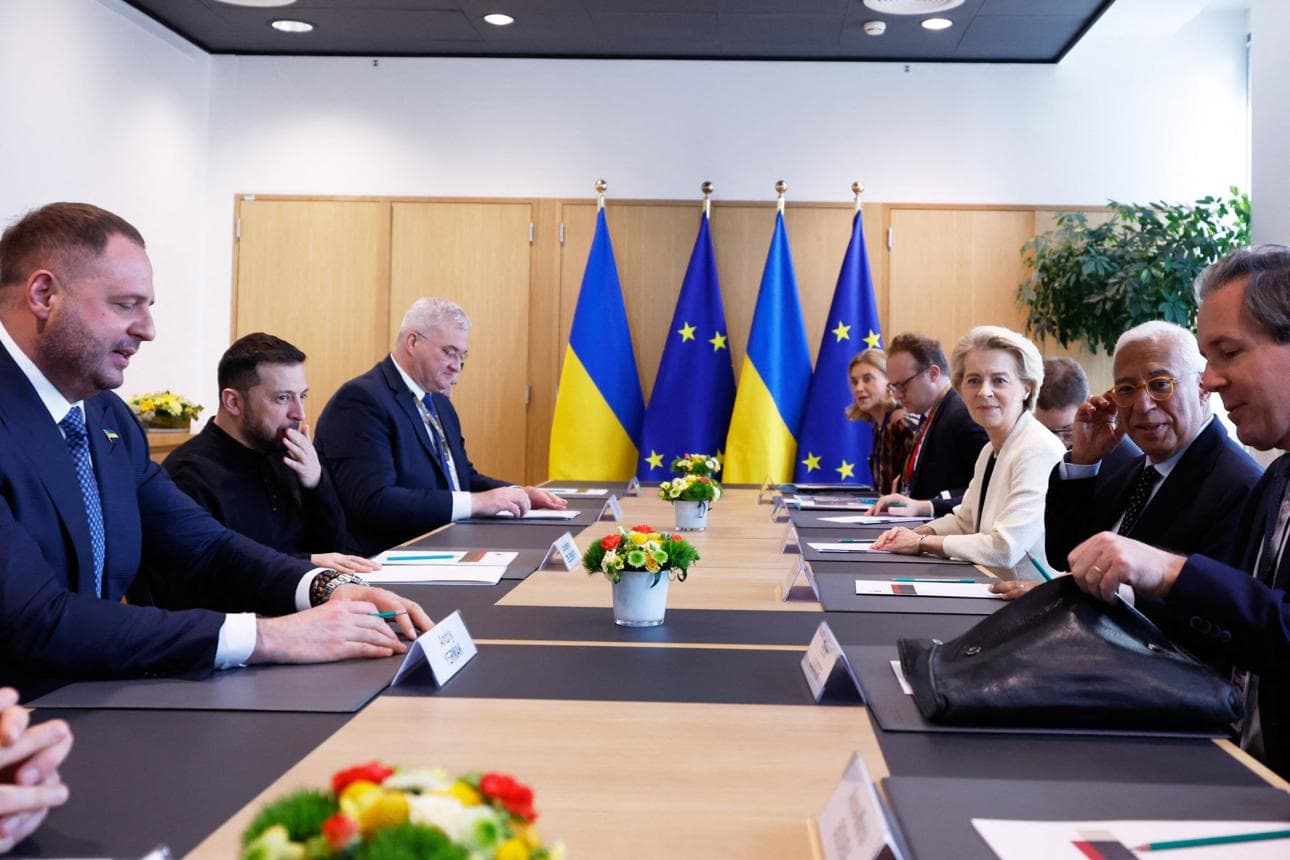
Brussels: The European Union transferred €1.4 billion in windfall profits from frozen Russian assets to Ukraine on 3 August, the fifth such payment since 2022, and the money arrived days after fresh Russian strikes on Kyiv.

The cash does not come from the reserves themselves. It comes from the interest those immobilised holdings earn while they sit in European securities depositories, chiefly Belgium’s Euroclear. Since the war began, roughly €210 billion in Russian central bank assets has stayed frozen inside the Union, and the profits on that pile have now reached about €8 billion.

A windfall that stops short of the real prize

Kyiv will spend most of the tranche on air defence and reconstruction, with a further €70 million routed through the European Peace Facility to finance military aid. The rhythm has become familiar: profits accumulate over roughly six months, the Commission verifies them, and a payment follows. This transfer covered the first half of 2026.

The steady drip masks a fiercer argument over the assets themselves. Several governments, led by voices in the Baltic states and backed at times by the Commission, want the Union to seize or lend against the full €210 billion to bankroll Ukraine’s defence and eventual rebuilding. The Commission has floated a reparations loan that would tap tens of billions more.

Belgium, where most of the reserves sit, has resisted hardest. Officials in Brussels warn that outright confiscation could breach international law, rattle investors who park money in the euro, and invite Russian retaliation against European assets. Rather than touch the principal, EU leaders agreed late in 2025 to give Ukraine a large interest-free loan that deliberately does not rely on the frozen reserves.

The strategic bet behind the caution

That compromise reveals the bloc’s core calculation. Skimming the interest lets Europe fund Ukraine without setting a precedent that might scare capital away from euro markets. The €1.4 billion is real and useful, yet it is a fraction of what Kyiv needs, and it leaves the €210 billion intact as a bargaining chip for any future settlement.

Critics of the cautious line argue that Russia has already shredded the norms Brussels worries about, and that holding the reserves back wastes leverage while Ukrainian cities burn. Supporters reply that the euro’s credibility is itself a strategic asset, and that a rushed seizure could cost more than it raises if global investors conclude the Union will grab foreign holdings under political pressure.

Numbers put the stakes in perspective. Ukraine’s yearly financing gap runs into the tens of billions, so a single €1.4 billion instalment covers only weeks of the war effort at current burn rates. That arithmetic is exactly why the debate keeps circling back to the €210 billion principal, the one pot large enough to change Kyiv’s trajectory rather than merely sustain it.

For now, the interest payments continue and the principal stays locked. The timing of this tranche, which the Commission announced after the attacks on Kyiv, sent a deliberate signal that Europe will keep paying. The harder question, whether it will ever touch the frozen Russian assets at their source, waits on the next budget cycle and the war’s own course. Reporting from EUobserver underscores how closely the payout tracked events on the ground.