Larnaca: The aircraft were on the tarmac in Cyprus before the first serious heatwave arrived, which is the whole idea. Ahead of a fire season that now routinely outruns any single country’s resources, the EU has assembled what it calls its largest wildfire response to date, pre-positioning crews and machines across the Mediterranean rather than scrambling them once the smoke is already rising.
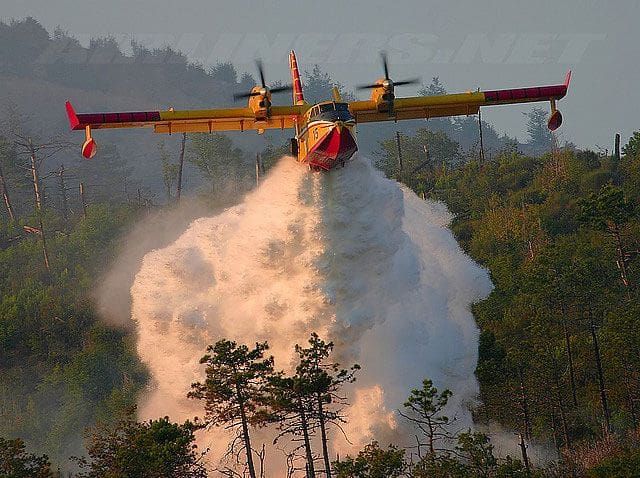
The numbers are striking. The Commission says 777 firefighters drawn from 14 European countries will be stationed in high-risk areas spanning Cyprus, Greece, Italy, France, Spain and Portugal, backed by 22 firefighting aeroplanes and five helicopters from the EU fleet. The aerial assets become available for deployment through the EU Civil Protection Mechanism from 15 June and stay on call until the end of October, the window in which southern Europe now expects to burn.
The logic is a shift from reaction to readiness. Under the mechanism, a country overwhelmed by fire can request help through the Emergency Response Coordination Centre, which then mobilises offers from other states or taps rescEU, the strategic reserve of aircraft and equipment the EU funds directly. By placing those assets in the regions most likely to need them before the season peaks, the EU cuts the hours that decide whether a blaze stays containable or jumps a ridge.
Cyprus has become a hub for that approach. A new European regional firefighting station on the island will host six pre-positioned aircraft and double as a training and exercise base for civil protection teams from across the bloc. The first helicopter of the rescEU fleet, delivered to Romania in January, is also cleared for this season, a sign that the Union is slowly building its own capacity rather than relying entirely on member states lending what they can spare.
Still, pre-positioning is mitigation, not prevention. Firefighting reserves treat the symptom; the underlying drivers are land management, rural depopulation that leaves brush unmanaged, and a warming climate that turns landscapes into tinder. Civil protection officials are the first to say that aircraft cannot substitute for forestry policy, controlled burning and investment in resilience on the ground, areas where progress is slower and less photogenic than a water bomber in flight.
There is also the budget shadow. RescEU and the wider mechanism cost money that competes with every other EU priority in the framework negotiations now under way, and a Union stretched between defence, enlargement and climate adaptation must decide how much standing capacity it can afford. For the communities watching the hills this summer, the calculation is simpler. The fleet on the tarmac in Larnaca is the difference between help that arrives in hours and help that arrives too late.