Nicosia: European authorities flagged more dangerous goods last year than in any year since the bloc’s rapid alert network opened, a sign of both busier enforcement and a market awash with risky imports.
The Commission’s annual review of Safety Gate, the system through which national watchdogs share warnings about unsafe non-food products, logged 4,671 alerts across the year. That total set a record for the scheme since its launch in 2003 and ran thirteen percent above the previous year.
Follow-up measures rose even faster. Officials recorded 5,794 actions in all, a jump of thirty-five percent, ranging from pulling goods off shelves and stopping shipments at the border to ordering online marketplaces to delete listings and recalling items already in homes.
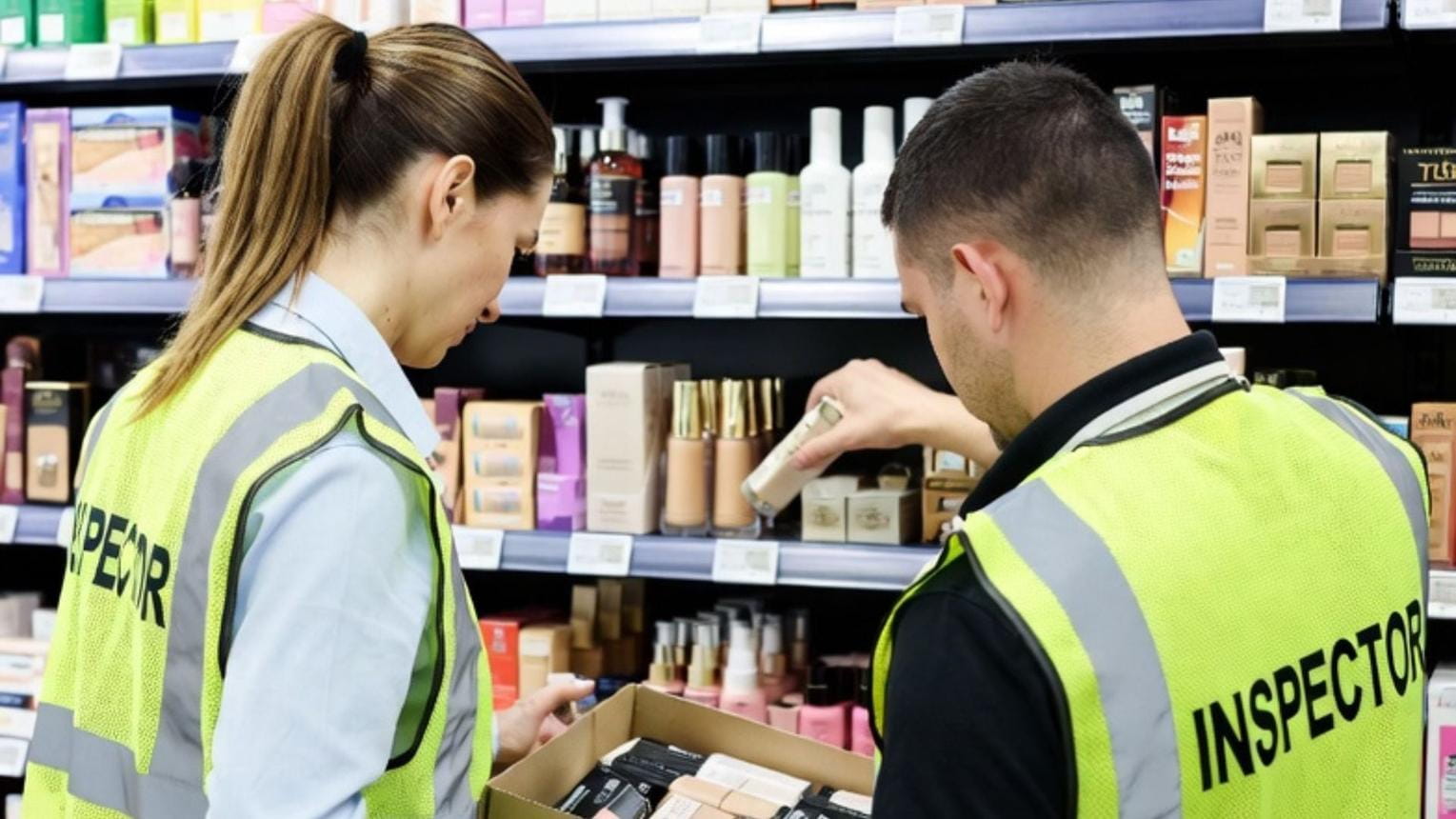
Cosmetics, toys and electrical appliances drew the most warnings. More than half of every notification pointed to a health risk from dangerous chemicals lurking in a product, while choking hazards and injury risks rounded out the most common complaints. The pattern echoes years of concern about small parts in cheap toys.
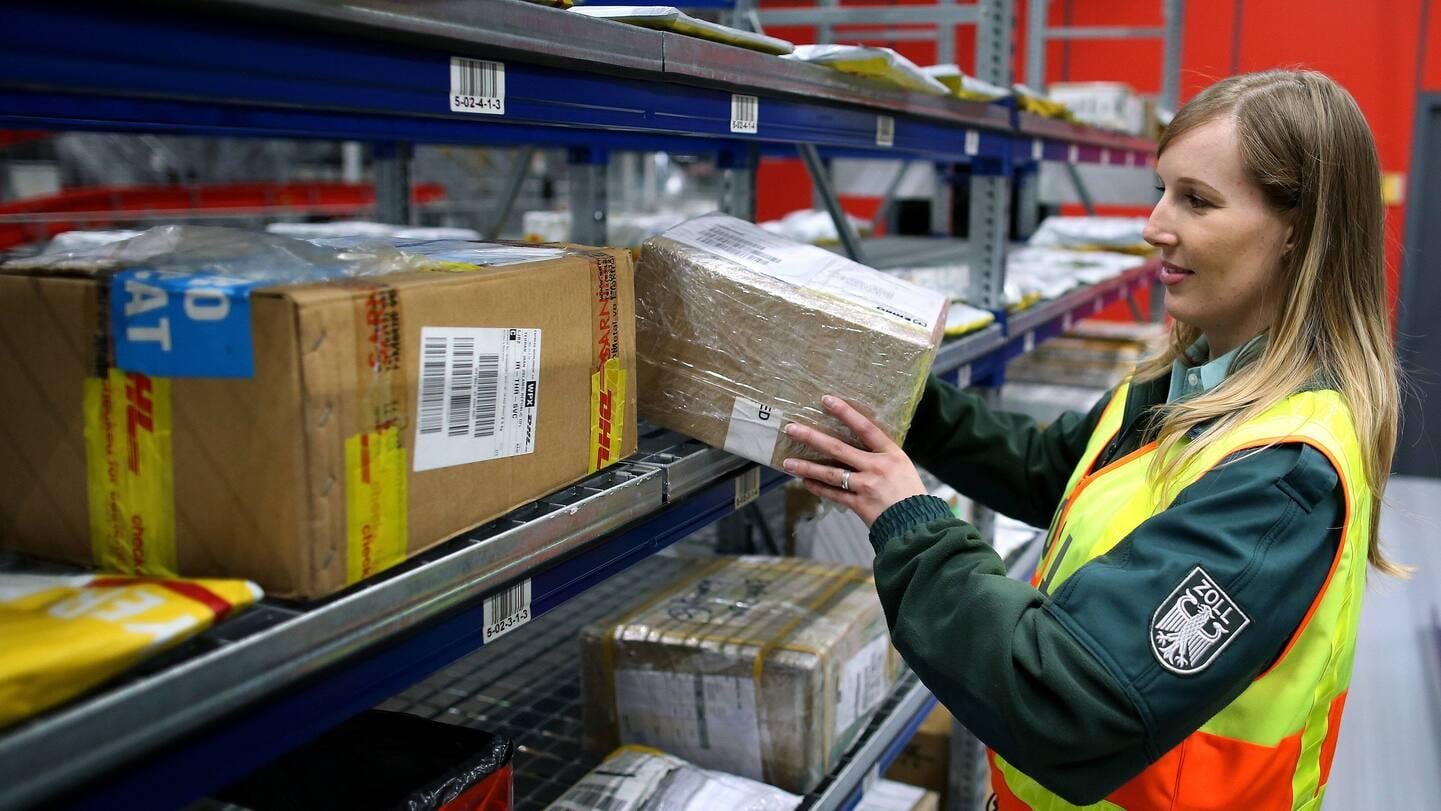
The country-of-origin data again put the spotlight on imports. Goods traced to China accounted for roughly forty-two percent of all dangerous products reported, with the share higher still in certain categories, keeping pressure on the bloc to police the parcels that pour in through online platforms.
The figures land as the General Product Safety Regulation settles into force. The rulebook, which replaced a directive dating back two decades, obliges traders to offer consumers a genuine choice of remedies when a product is recalled, spanning repair, replacement or a refund rather than a single grudging option.
It also drags e-commerce fully into the net. Online marketplaces now carry sharper duties to remove flagged listings quickly and to cooperate with regulators, closing a gap that once let banned goods reappear under a new seller within hours of a takedown.
Consumer groups welcomed the busier enforcement but warned that a record count of alerts is a double-edged number. It shows watchdogs are catching more, yet it also lays bare how many hazardous items reach buyers before anyone intervenes, especially through cross-border online sales that slip past traditional customs checks.
For shoppers, the practical advice stays simple. Registering a purchase makes a recall notice easier to receive, and the public alert pages let anyone check whether a toy, charger or cosmetic has already been flagged. The wider fix, regulators concede, will hinge on whether platforms and importers treat the new duties as more than paperwork.