August 9, 2026
LATEST
Pension Savings Rules Get a Reset as the EU Scraps the 1% CapMedicine Shortages Move to the Heart of Europe’s Pharma ResetJapan Becomes Europe’s Closest Security Partner in AsiaCan Europe’s New Zealand Deal Anchor It in the Pacific?Chip Research Binds Europe and South Korea CloserMinimum Prices Replace Tariffs in Europe’s China Car DealBrussels and Beijing Keep Talking While the Trade Gap WidensKorean Weapons and EU Loans Now Bankroll Europe’s RearmamentNew EU Gas Market Rules Take Effect With Consumer SafeguardsDeforestation Regulation Holds Its December Deadline Despite CutsDigital Omnibus Delays Europe’s High-Risk AI Deadline to 2027Europe’s Schools Confront a Widening Basic Skills GapRule of Law Report Finds Progress but Trust Still LagsIRIS2 Gains 66 Satellites as Brussels Signs the Rollout DealNature Restoration Plans Come Due as Member States Race a DeadlineECB Rates Hold at 2.25 Percent as Frankfurt Waits on the DataEU Budget Talks Turn to Cohesion as Ireland Takes OverWildfire Response Stretches Europe’s Emergency Fleet ThinCan Europe’s Quantum Plan Match Its Big Ambitions?Armenia Edges West as Moscow’s Grip Slips AwayPension Savings Rules Get a Reset as the EU Scraps the 1% CapMedicine Shortages Move to the Heart of Europe’s Pharma ResetJapan Becomes Europe’s Closest Security Partner in AsiaCan Europe’s New Zealand Deal Anchor It in the Pacific?Chip Research Binds Europe and South Korea CloserMinimum Prices Replace Tariffs in Europe’s China Car DealBrussels and Beijing Keep Talking While the Trade Gap WidensKorean Weapons and EU Loans Now Bankroll Europe’s RearmamentNew EU Gas Market Rules Take Effect With Consumer SafeguardsDeforestation Regulation Holds Its December Deadline Despite CutsDigital Omnibus Delays Europe’s High-Risk AI Deadline to 2027Europe’s Schools Confront a Widening Basic Skills GapRule of Law Report Finds Progress but Trust Still LagsIRIS2 Gains 66 Satellites as Brussels Signs the Rollout DealNature Restoration Plans Come Due as Member States Race a DeadlineECB Rates Hold at 2.25 Percent as Frankfurt Waits on the DataEU Budget Talks Turn to Cohesion as Ireland Takes OverWildfire Response Stretches Europe’s Emergency Fleet ThinCan Europe’s Quantum Plan Match Its Big Ambitions?Armenia Edges West as Moscow’s Grip Slips Away
August 9, 2026
LATEST
Pension Savings Rules Get a Reset as the EU Scraps the 1% CapMedicine Shortages Move to the Heart of Europe’s Pharma ResetJapan Becomes Europe’s Closest Security Partner in AsiaCan Europe’s New Zealand Deal Anchor It in the Pacific?Chip Research Binds Europe and South Korea CloserMinimum Prices Replace Tariffs in Europe’s China Car DealBrussels and Beijing Keep Talking While the Trade Gap WidensKorean Weapons and EU Loans Now Bankroll Europe’s RearmamentNew EU Gas Market Rules Take Effect With Consumer SafeguardsDeforestation Regulation Holds Its December Deadline Despite CutsDigital Omnibus Delays Europe’s High-Risk AI Deadline to 2027Europe’s Schools Confront a Widening Basic Skills GapRule of Law Report Finds Progress but Trust Still LagsIRIS2 Gains 66 Satellites as Brussels Signs the Rollout DealNature Restoration Plans Come Due as Member States Race a DeadlineECB Rates Hold at 2.25 Percent as Frankfurt Waits on the DataEU Budget Talks Turn to Cohesion as Ireland Takes OverWildfire Response Stretches Europe’s Emergency Fleet ThinCan Europe’s Quantum Plan Match Its Big Ambitions?Armenia Edges West as Moscow’s Grip Slips AwayPension Savings Rules Get a Reset as the EU Scraps the 1% CapMedicine Shortages Move to the Heart of Europe’s Pharma ResetJapan Becomes Europe’s Closest Security Partner in AsiaCan Europe’s New Zealand Deal Anchor It in the Pacific?Chip Research Binds Europe and South Korea CloserMinimum Prices Replace Tariffs in Europe’s China Car DealBrussels and Beijing Keep Talking While the Trade Gap WidensKorean Weapons and EU Loans Now Bankroll Europe’s RearmamentNew EU Gas Market Rules Take Effect With Consumer SafeguardsDeforestation Regulation Holds Its December Deadline Despite CutsDigital Omnibus Delays Europe’s High-Risk AI Deadline to 2027Europe’s Schools Confront a Widening Basic Skills GapRule of Law Report Finds Progress but Trust Still LagsIRIS2 Gains 66 Satellites as Brussels Signs the Rollout DealNature Restoration Plans Come Due as Member States Race a DeadlineECB Rates Hold at 2.25 Percent as Frankfurt Waits on the DataEU Budget Talks Turn to Cohesion as Ireland Takes OverWildfire Response Stretches Europe’s Emergency Fleet ThinCan Europe’s Quantum Plan Match Its Big Ambitions?Armenia Edges West as Moscow’s Grip Slips Away

Europe Pivots to Coastal West Africa as the Sahel Slips Away

Brussels: Few European retreats have been as quiet, or as complete, as the one playing out across the Sahel. A decade ago French and EU troops, trainers, and development officials formed the backbone of Western security policy from Mali to Niger. Today they are gone, replaced by Russian contractors now operating under the Africa Corps banner, and Brussels is left arguing about how to salvage any influence in a region that has largely stopped listening.

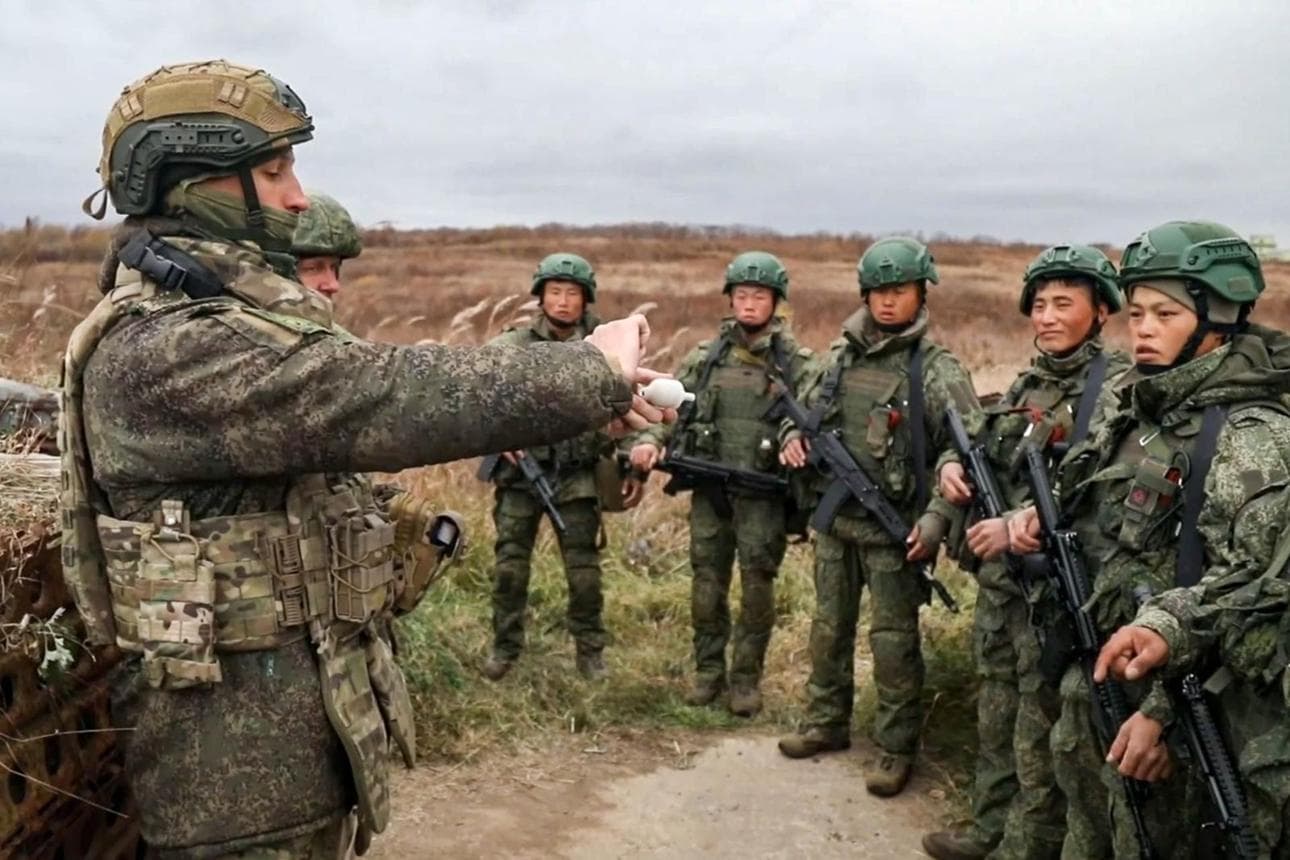
The military picture is grim and, for Moscow, not much better. An estimated thousand Russian fighters help the Malian army move convoys, yet jihadist groups affiliated with al-Qaeda and Islamic State continue to expand, and since late 2025 have squeezed the approaches to Bamako itself with a selective blockade. Russian security assistance has bought the juntas their survival, not their citizens’ safety. Reports of massacres, torture, and summary executions by Africa Corps units have multiplied, handing the insurgents a recruitment argument no amount of weaponry can offset.

For the EU, the strategic problem is that its traditional levers have stopped working. Coup-related sanctions and aid suspensions, imposed after the takeovers in Mali, Burkina Faso, and Niger, were meant to pressure the juntas back toward civilian rule. Instead they accelerated the pivot to Moscow, gave the generals a nationalist grievance to exploit, and removed the European presence on the ground that once provided eyes, leverage, and goodwill. Punishment without presence, it turns out, mostly punishes the punisher.

This is why a quieter rethink is under way in Brussels and several capitals. Rather than chase lost ground in the three landlocked junta states, the emerging logic is to fortify the coastal democracies, Senegal, Côte d’Ivoire, Ghana, Benin, and Togo, before the violence spills south. These governments still want European partners, still hold elections, and still control the ports and trade corridors that give the Sahel its only economic lifelines. Concentrating training, equipment, and investment there is both more achievable and more defensible than propping up regimes that have already chosen another patron.

Critics will say this amounts to writing off tens of millions of people in the Sahelian interior, ceding them to a partnership with Moscow that delivers neither security nor development. That charge has force. A coastal containment line does little for civilians trapped between jihadist violence and predatory foreign mercenaries, and it risks confirming the narrative that Europe cares about migration routes and minerals more than African lives.

Yet the alternative, a return to the open-ended deployments that failed once already, commands no support in any European parliament. The honest conclusion is that the EU’s choices in West Africa are now narrow and unattractive, the legacy of years in which military missions substituted for political strategy. The task ahead is less about reversing the Russian advance, which may yet collapse under its own brutality, than about ensuring it does not reach the Gulf of Guinea. On current evidence, that more modest goal is the most Europe can realistically defend.