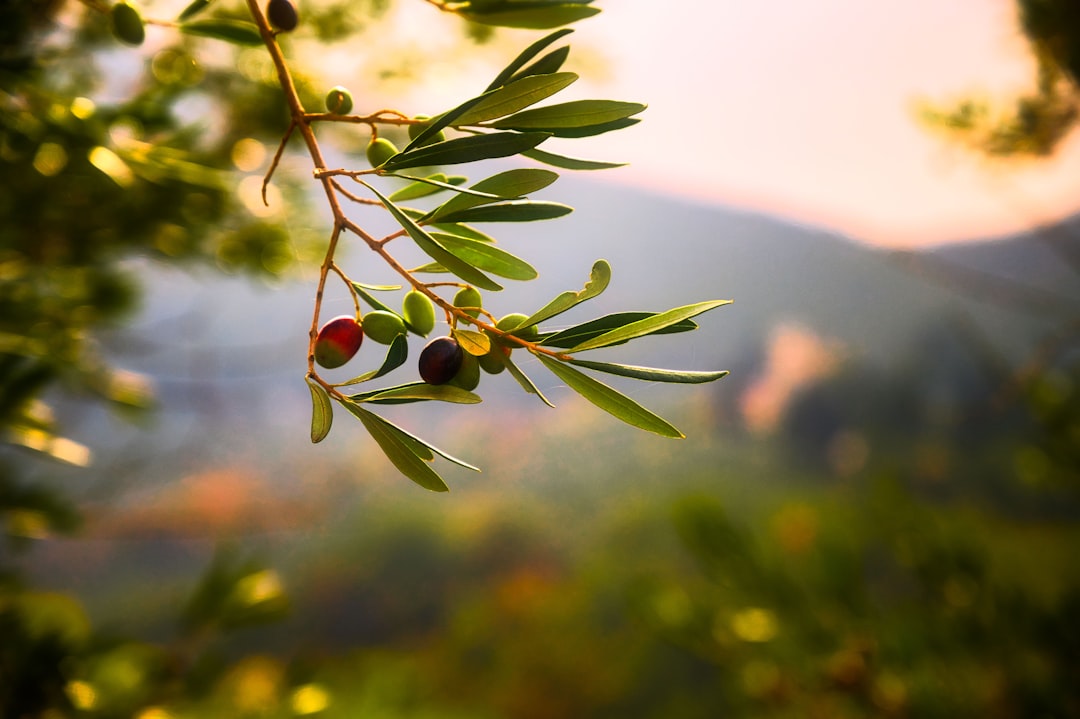
Bari: A decade after a bacterial killer began turning the silver-green olive groves of southern Italy into fields of skeletons, Europe’s plant-health authorities are gathering once more to confront a pathogen that has never truly been beaten back. The fifth European conference on Xylella fastidiosa, convened in Mola di Bari from 23 to 25 June, is less a victory lap than a stocktaking of a slow-burning agricultural emergency that scientists warn could still spread far beyond the Mediterranean.
Xylella fastidiosa ranks among the most dangerous plant pathogens known. Spread by sap-feeding insects, it clogs the vessels that carry water through a plant, in effect starving it of moisture until it withers. Its host range is alarmingly broad, encompassing olives, almonds, grapevines, citrus and scores of ornamental species, which makes containment fiendishly difficult. In Apulia the bacterium has killed or condemned millions of olive trees, gutting an industry, scarring a landscape that took centuries to shape, and inflicting losses that ripple through rural economies dependent on the harvest.
The conference matters because Xylella has come to embody a wider test of the bloc’s biosecurity. The EU operates strict rules requiring surveillance, demarcated zones around outbreaks, movement restrictions on host plants and, in the worst cases, the felling of infected and surrounding trees, measures that are scientifically defensible yet politically explosive when they fall on growers whose livelihoods are at stake. The European Food Safety Authority underpins this regime with risk assessments, host-plant databases and modelling of how far the bacterium and its insect vectors might travel as the climate warms and trade in plants continues.
That climate dimension is what unsettles researchers most. Warmer winters expand the range in which the vector insects survive, pushing the zone of potential establishment northward into regions that have so far been spared. Outbreaks detected beyond the original Italian epicentre, on other parts of the Mediterranean rim, reinforce the fear that this is not a contained southern problem but a continental one in waiting. Once established, the disease is effectively impossible to eradicate; management becomes a matter of slowing spread and absorbing loss rather than achieving a cure.
For food security the stakes extend past olive oil. Almonds, wine and fruit all sit within the pathogen’s reach, and a single careless shipment of infected nursery stock can seed an outbreak hundreds of kilometres from any known focus. That is why so much of the policy effort concentrates on the plant trade, the pathway most amenable to control, and on early detection, since a young outbreak caught quickly can sometimes be stamped out before it takes hold.
The gathering in Apulia is therefore both technical and cautionary. Researchers will trade findings on detection, resistant cultivars and vector control, but the underlying message is sober. Europe has learned to live with Xylella without learning to defeat it, and the conference is a reminder that vigilance, not victory, is the realistic goal. The dying groves of Apulia stand as a warning of what complacency costs.