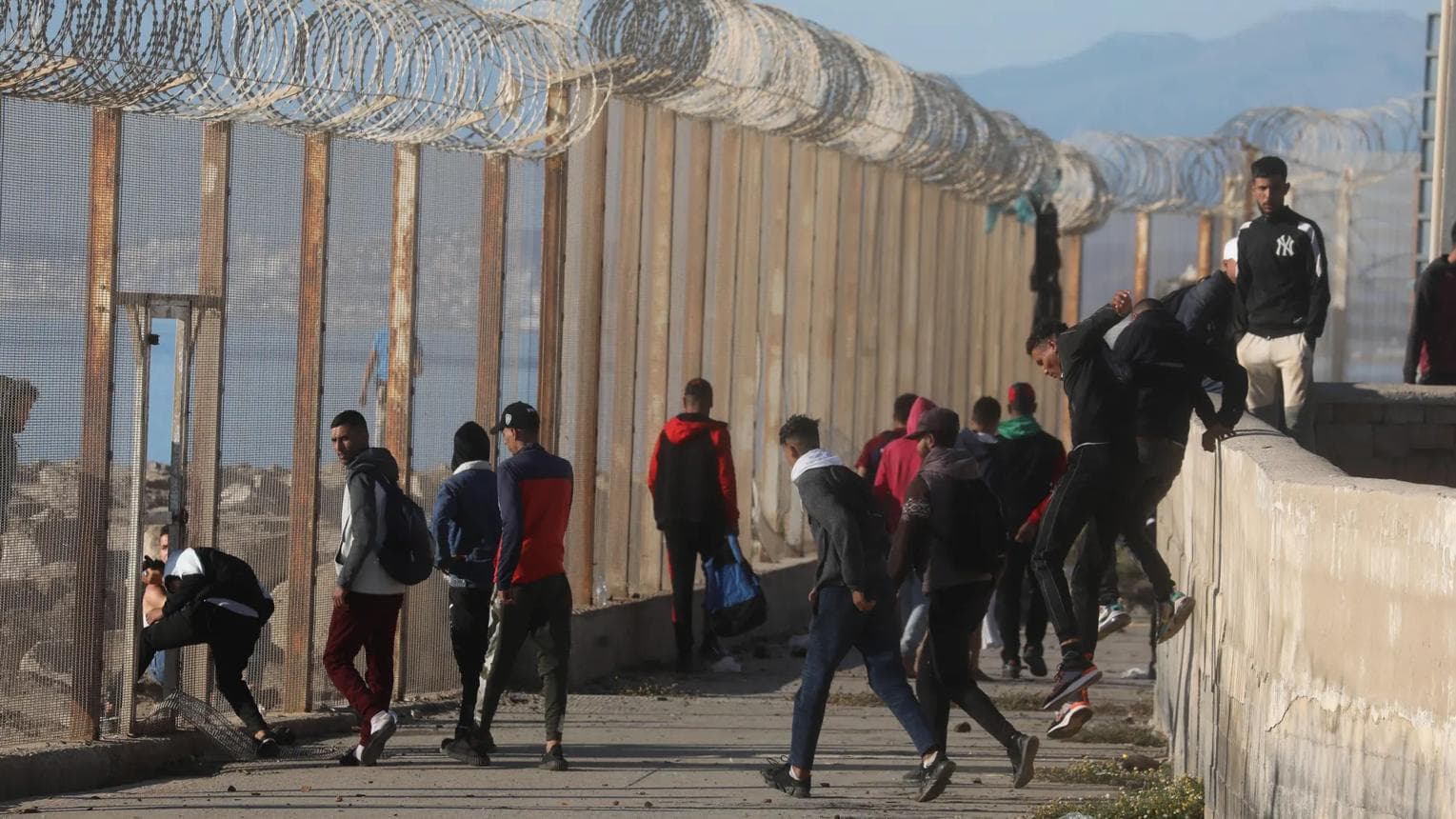
After years of negotiation, political crisis and missed targets, the bloc’s overhauled migration system has finally switched on. The New Pact on Migration and Asylum began to apply on 12 June, turning a sprawling package of regulations agreed in 2024 into operational reality at airports, ports and land crossings from the Baltic to the Mediterranean.
The most visible change happens at the moment of arrival. Everyone who reaches the bloc irregularly is now subject to mandatory screening, with identity, security, health and vulnerability checks carried out within days. People whose asylum claims are statistically unlikely to succeed can be channelled into a faster border procedure, held in a legal fiction of non-entry while their case is assessed, and returned more quickly if rejected. Supporters describe this as closing the gap between a negative decision and an actual departure, the weakness that critics of the old system complained about for a decade.
Holding the architecture together is a solidarity mechanism that tries to defuse the argument that has poisoned migration politics since 2015. Frontline states near the external border can ask others to share the load, and member states that refuse to take in relocated applicants must instead pay into a common fund or provide operational support. Nobody is forced to accept arrivals, but nobody can simply opt out for free, a compromise designed to make burden-sharing survivable rather than popular.
The agencies are scrambling to match the ambition. Frontex and the EU Agency for Asylum signed a cooperation deal in January to back national authorities on screening, registration, reception and returns, pooling expertise that individual capitals often lack. A Commission report in May found that the core pillars were broadly in place, though the same document made clear that readiness varied widely between countries that had invested early and those that left preparations late.
That uneven readiness is where the doubts cluster. The pact assumes detention capacity, trained staff and functioning return agreements that not every member state can show. Human rights organisations warn that the border procedure risks holding families and children in closed facilities, that vulnerability checks compressed into a few days will miss trauma and exploitation, and that faster returns mean little without countries of origin willing to receive their nationals. Governments on the frontier counter that the previous chaos served migrants worst of all, leaving them in limbo for years.
Politics complicates every paragraph. Several capitals that demanded a tougher system now grumble that the solidarity rules ask too much, while others insist the safeguards are too thin. The pact’s drafters built in flexibility precisely so that twenty-seven governments with irreconcilable instincts could live with the same text, but flexibility also means the system will look different depending on where a person lands.
The real test is not the legal start date but the first summer of arrivals under the new rules. Whether the screening holds, whether the fund is paid, and whether returns actually rise will determine if the pact becomes the durable settlement its architects promised or simply the next compromise to fray under pressure. For now, Europe has a single migration rulebook in force for the first time, and the continent is about to find out what that means in practice.