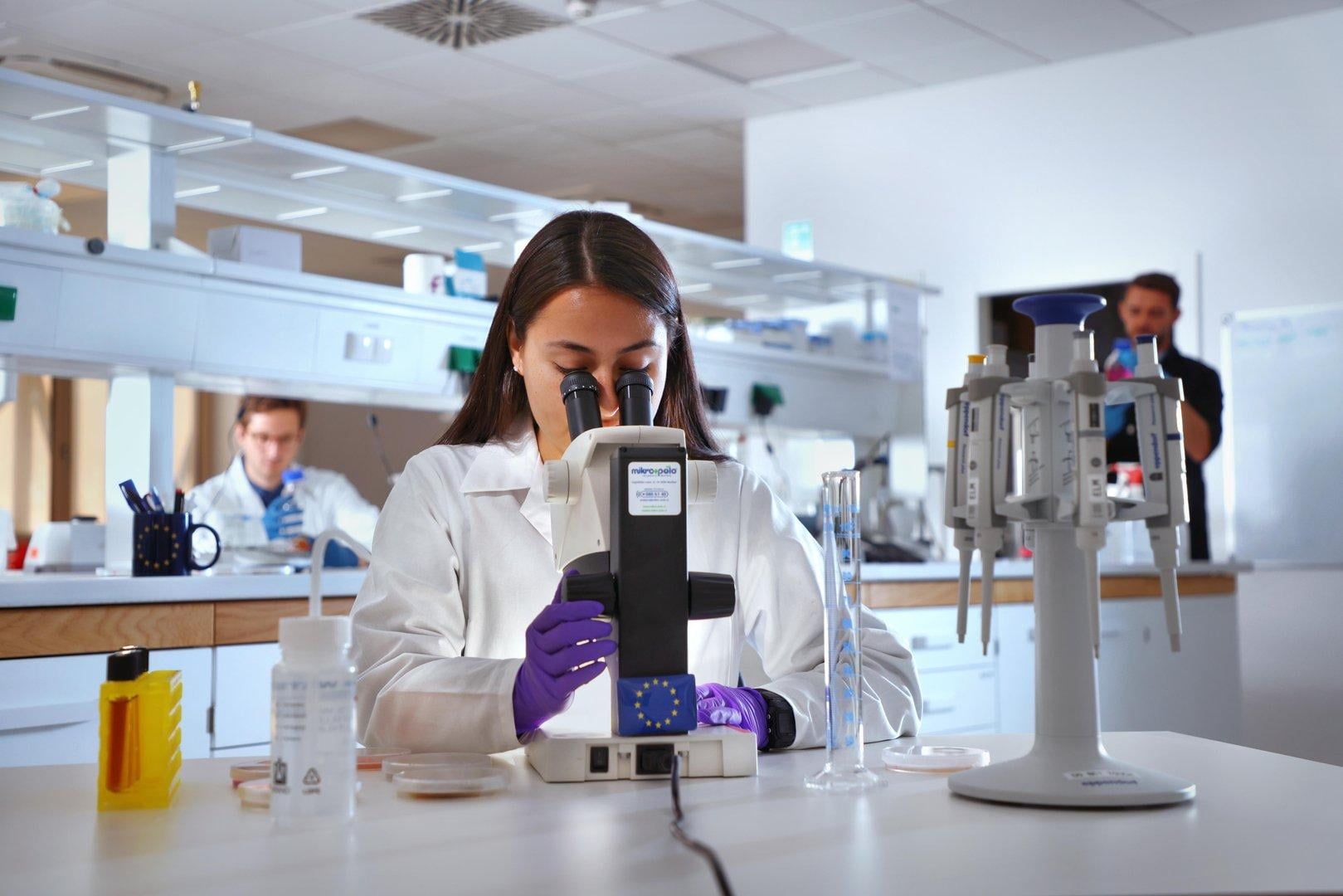
Ghent: A decade-long argument over how Europe should treat plants created with modern gene-editing tools reached a decisive moment in June, when the European Parliament and the Council adopted new rules for crops produced by what regulators call new genomic techniques. The regulation, finalised on 17 June, draws a sharp legal line between gene editing and the older transgenic methods that gave rise to the bloc’s long resistance to genetically modified organisms.
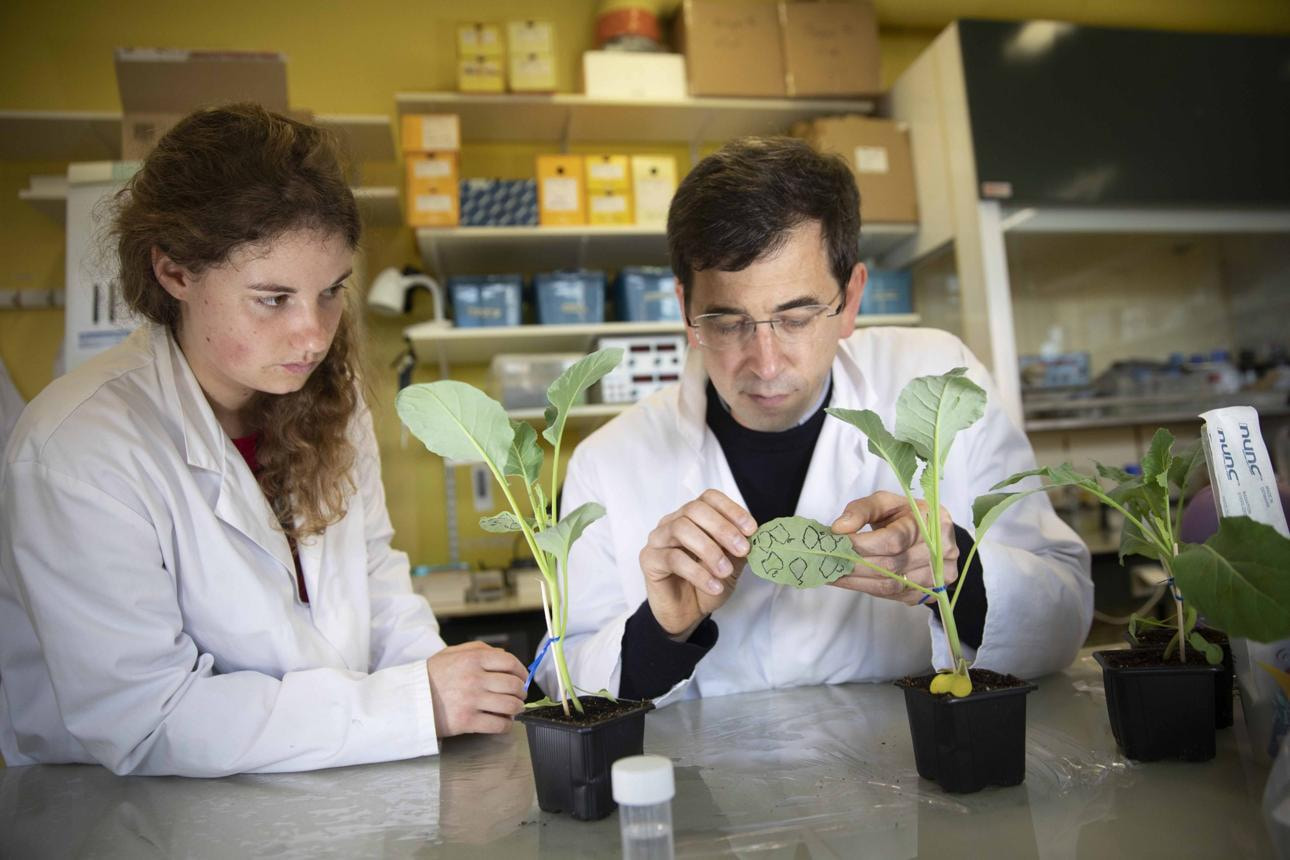
The distinction matters enormously to plant breeders. New genomic techniques, including the gene-editing system known as CRISPR, allow scientists to make precise changes to a plant’s own DNA, switching off a vulnerability to disease or improving drought tolerance, without inserting genetic material from a different species. Supporters have argued for years that such plants are indistinguishable from those that could arise through conventional breeding or natural mutation, and that subjecting them to the bloc’s strict and costly GMO regime made little scientific sense.
Under the new framework, plants whose edits could have occurred naturally or through traditional crossing will be treated much like conventional varieties, escaping the heavy authorisation, labelling and traceability burdens that have effectively frozen agricultural biotechnology in Europe. A second category, covering more extensively modified plants, will remain subject to tighter oversight closer to the existing GMO rules. The regime is expected to apply from 2028, giving breeders, regulators and food companies time to adjust.
For research hubs such as Ghent, long a centre of European plant science, the change removes a barrier that has pushed innovation and investment toward more permissive jurisdictions in the Americas and Asia. Breeders say lighter rules will speed the development of crops that need fewer pesticides, withstand heat and drought, or resist the fungal diseases that climate change is spreading northward. In a bloc anxious about food security and the resilience of its farms, those are powerful selling points.
The decision has not silenced the critics. Organic farming associations and several environmental groups warn that loosening oversight erodes consumer choice and the principle that people have a right to know how their food was produced. Their central grievance concerns labelling. Because many gene-edited plants will not carry the markers required of conventional GMOs, opponents argue that shoppers and organic producers alike will struggle to keep such crops out of supply chains that promise to be free of genetic engineering. Questions of patenting also loom, with smaller breeders fearful that a handful of large firms could lock up edited traits behind intellectual-property claims.
The Council has framed the regulation as a way to reconcile innovation with the bloc’s traditionally cautious approach to food safety, insisting that health and environmental protections remain intact for the higher-risk category. Proponents point out that gene-edited varieties have already been cultivated for years in major agricultural exporters without evident harm, and that Europe risks importing the very products it refuses to grow.
The vote closes one chapter and opens another. Member states must now prepare to implement the rules, and the coming arguments over coexistence with organic farming, patent rights and the precise boundary between the two regulatory tiers will determine whether the reform delivers the agricultural renewal its backers promise.