Athens: The most ambitious rewrite of the Union’s asylum system in a generation stopped being a plan on paper and became law in practice last month. The New Pact on Migration and Asylum entered into application in mid-June, switching on a dense package of rules meant to spread the burden of hosting arrivals more evenly and to speed up the border procedures that decide who may stay.
At the centre of the machinery sits a mandatory solidarity mechanism, the hard-won compromise between frontline states that receive the most arrivals and inland governments long reluctant to take relocations. Under it, every member state must contribute, but not necessarily by admitting people. A country can choose to relocate asylum seekers, to pay into a common fund, or to offer operational help such as staff and equipment. For each person it declines to accept, the price is set at twenty thousand euros, a figure that turns solidarity into an explicit line in a budget.
The numbers for this first cycle give the abstraction some shape. The 2026 solidarity pool is calibrated at twenty-one thousand relocations or equivalent measures, or financial contributions worth around four hundred and twenty million euros. Drawing on quantitative and qualitative criteria written into the pact, the Commission has judged four countries to be under migratory pressure, Cyprus, Greece, Italy and Spain, making them the primary beneficiaries of whatever support the pool can muster.
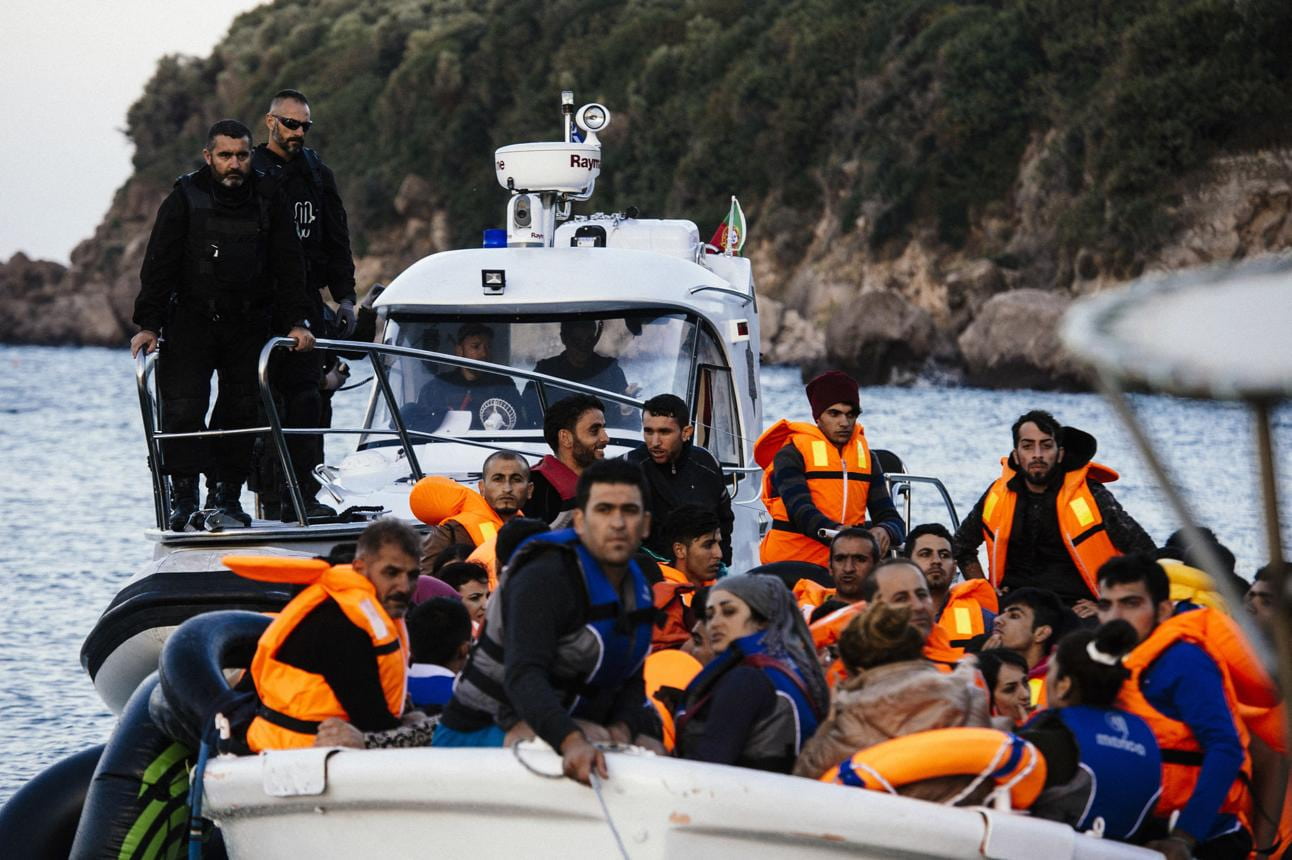
For the southern arrival states, the reform answers a decade of complaint that geography left them shouldering a shared responsibility alone. Whether the relief is real will depend on how many partners choose people over payments, since a pool dominated by cash does little to ease crowded reception centres on the islands and along the Mediterranean coast. Officials here have long argued that money is no substitute for genuinely sharing the human load.
The cracks in the consensus were visible before the ink dried. Hungary and Poland have already refused to take part in the distribution of asylum seekers, reprising an objection that helped poison earlier attempts at reform. Their opt-out tests the pact’s central bargain almost immediately, raising the question of how a mechanism billed as mandatory copes when large members simply decline to play, and whether the financial alternative becomes a permanent escape hatch rather than a last resort.
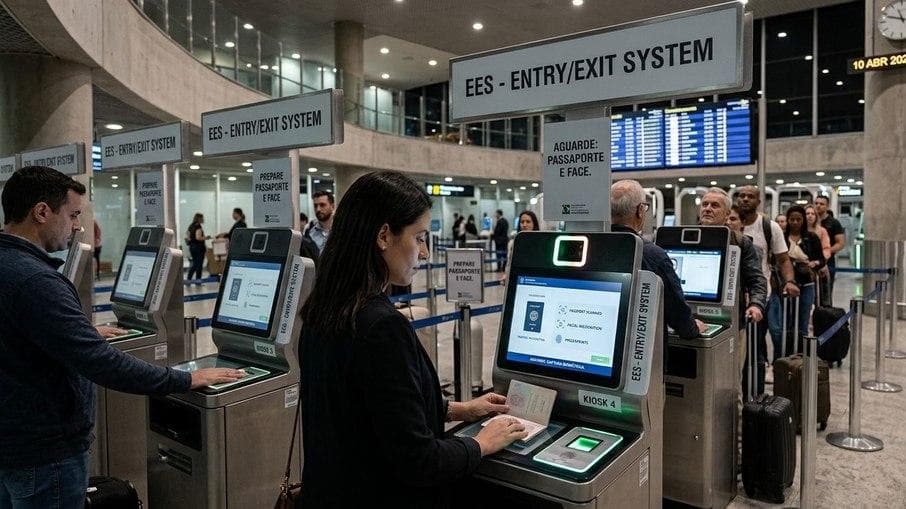
Beyond relocation, the pact tightens screening at the external frontier, accelerates the handling of claims judged unlikely to succeed, and links databases meant to stop applicants lodging cases in several countries at once. Rights groups warn that faster procedures risk cutting corners on protection, while governments insist speed and fairness can coexist. The coming months, as the first relocations are negotiated and the first contributions counted, will show which side the new system vindicates.