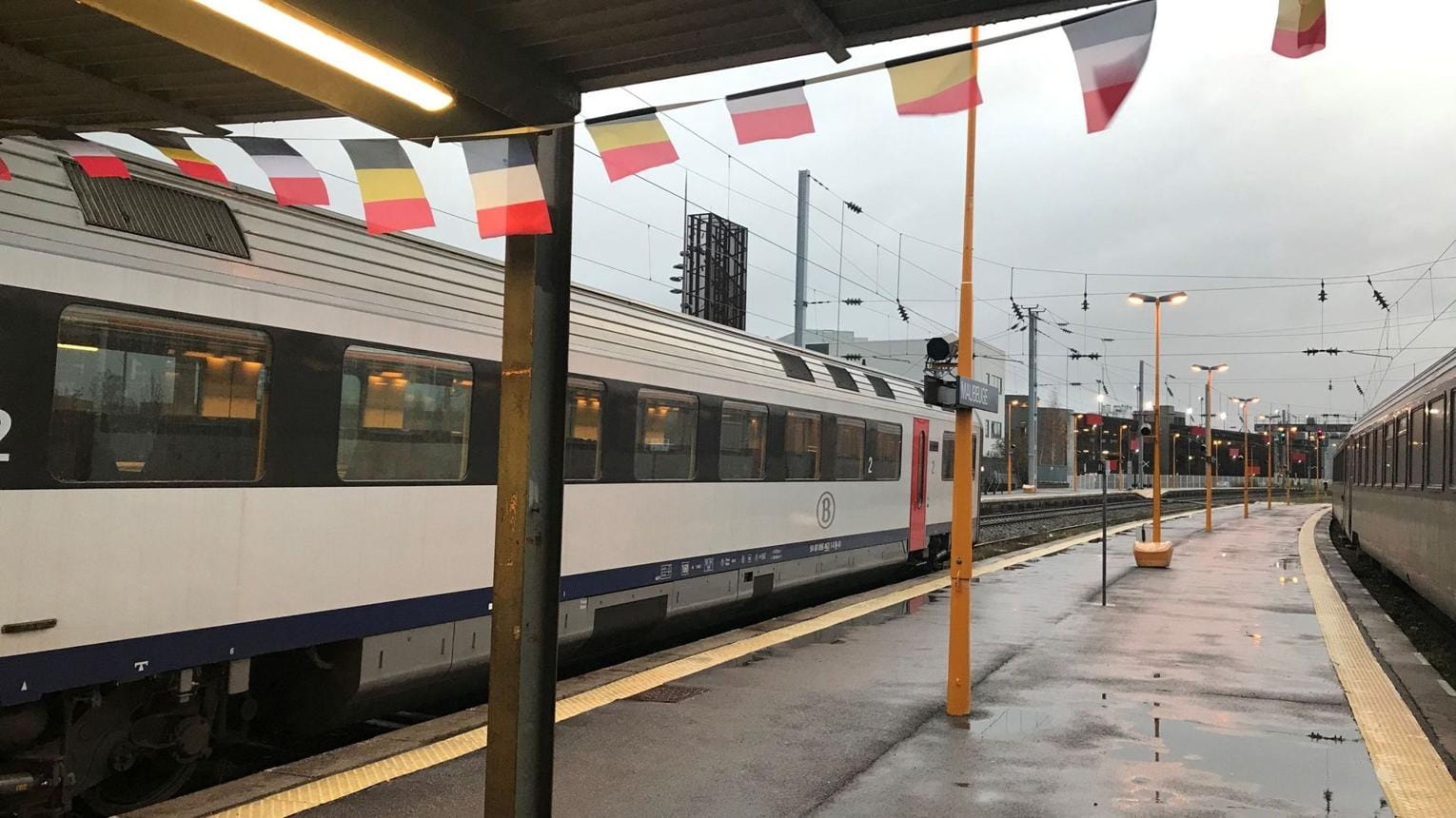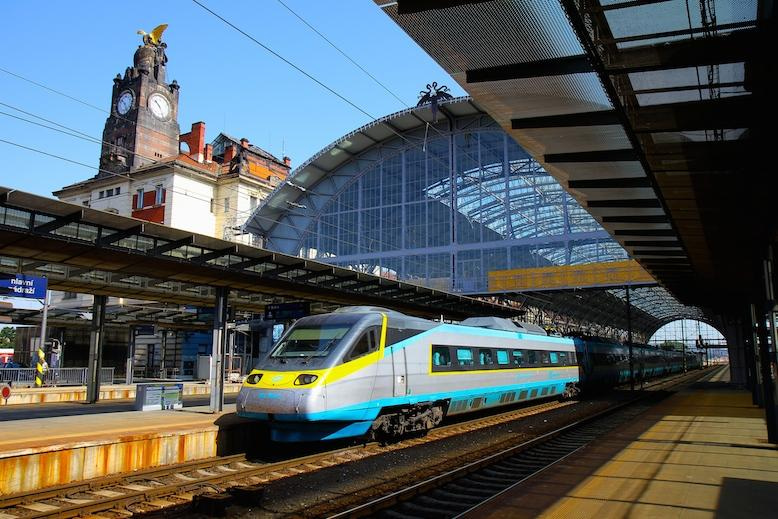
Prague: Booking a train across two or three European countries has long meant juggling separate tickets, incompatible websites and a nagging worry about who is responsible if a delay on one leg causes a missed connection on the next. A set of proposals now moving through the Union’s institutions aims to make that experience a relic, letting travellers buy a single ticket that carries them, and their passenger rights, all the way to their destination.
In May the Commission put forward a passenger package built around one idea: seamless cross-border booking. Travellers would be able to reserve journeys spanning multiple rail operators, and in some cases multiple modes of transport, in a single transaction. The plan rests on three pillars. Bookings should work smoothly across borders; passenger rights and liability should cover the entire trip rather than fragmenting at each handover; and ticketing data should be open, so travellers can book through the platform of their choice rather than being funnelled into a single operator’s site.
The momentum is not confined to paper. In late June the Parliament and Council reached a political agreement on stronger enforcement of passenger rights across all modes of transport, giving the wider push legal teeth. Around the same time, a new direct service linking Prague, Berlin and Copenhagen began running, a concrete example of the cross-border connections the Union wants to multiply. The Commission also convened investors and rail-industry figures to discuss how to finance the high-speed lines and rolling stock that any expansion will require.
Why it matters is bound up with climate and the single market alike. Rail is among the least polluting ways to travel, yet its share of longer journeys remains stubbornly low, held back partly by the friction of booking and the fear of being stranded between operators with no clear recourse. Making a cross-border train as easy to buy as a flight would remove one of the practical reasons travellers still reach for the plane. It would also knit the continent’s national networks into something closer to a genuine European system.
The obstacles are real. Incumbent operators have historically guarded their ticketing data, wary of ceding the customer relationship to third-party platforms, and open access is likely to be the most contested element of the package. Questions of liability, of who compensates a passenger when a delay cascades across several carriers, are legally intricate and commercially sensitive. Financing high-speed infrastructure is another matter entirely, requiring sums that strained national budgets cannot supply alone, which is why the Commission has begun courting private investors.
What comes next is negotiation. The passenger package must pass through the Parliament and the Council, where operators and member states will press their interests, and the details of open ticketing data and cross-journey liability will shape how much really changes for travellers. If the reforms hold their ambition, the traveller boarding at Prague for a city three borders away may soon do so on one ticket, with one set of rights, and one clear answer to the question of who is responsible when something goes wrong.