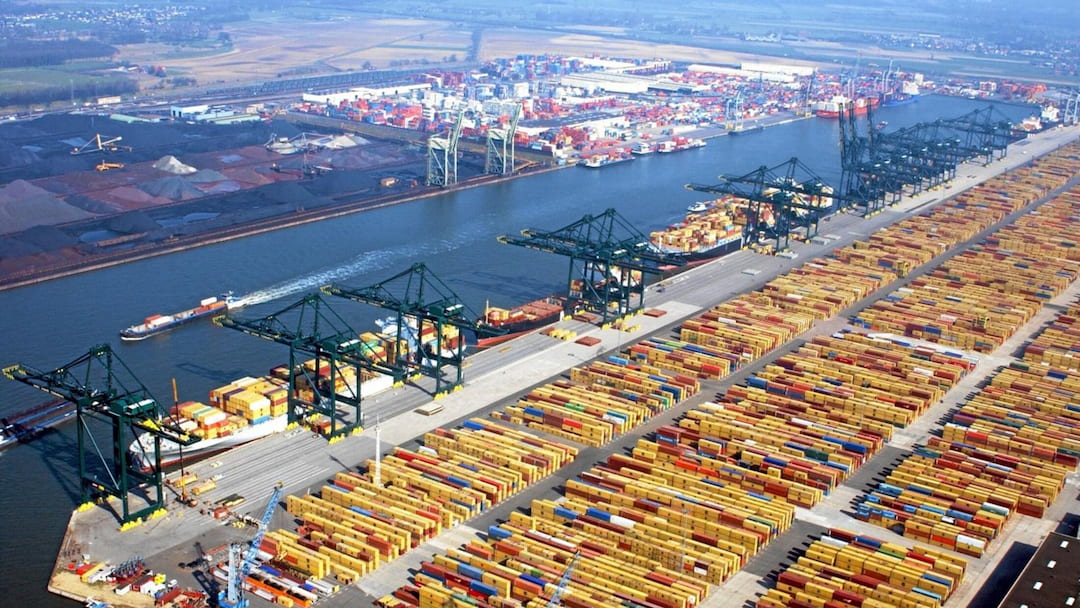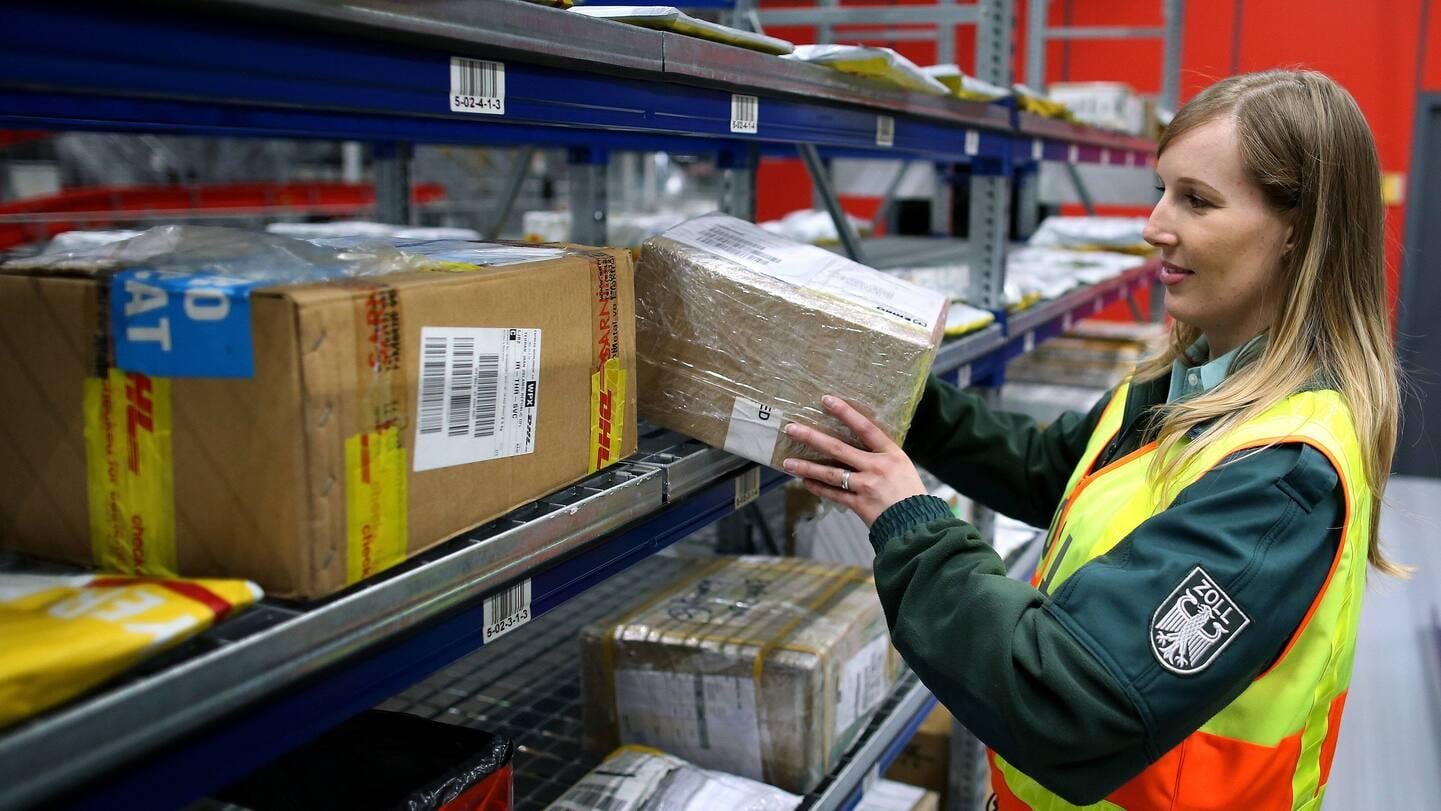
Liege: The cheap package from a distant warehouse, once waved through Europe’s borders without a cent of duty, has become a relic. Since the start of July a new charge has landed on the hundreds of millions of low-value parcels that pour into the Union each year.
The measure sets a parcel duty of three euros on each item type in consignments worth less than 150 euros shipped from outside the bloc. It ends two decades of a threshold that let such goods enter tax-free and that regulators blamed for a flood of untaxed imports.
The design bites harder than a flat per-package fee. Because the charge applies per product type, a box holding ten identical shirts draws a single three-euro levy, while a mixed order of wool and cotton items counts twice. The rule aims squarely at the bundled bargains that built the fast-fashion boom.
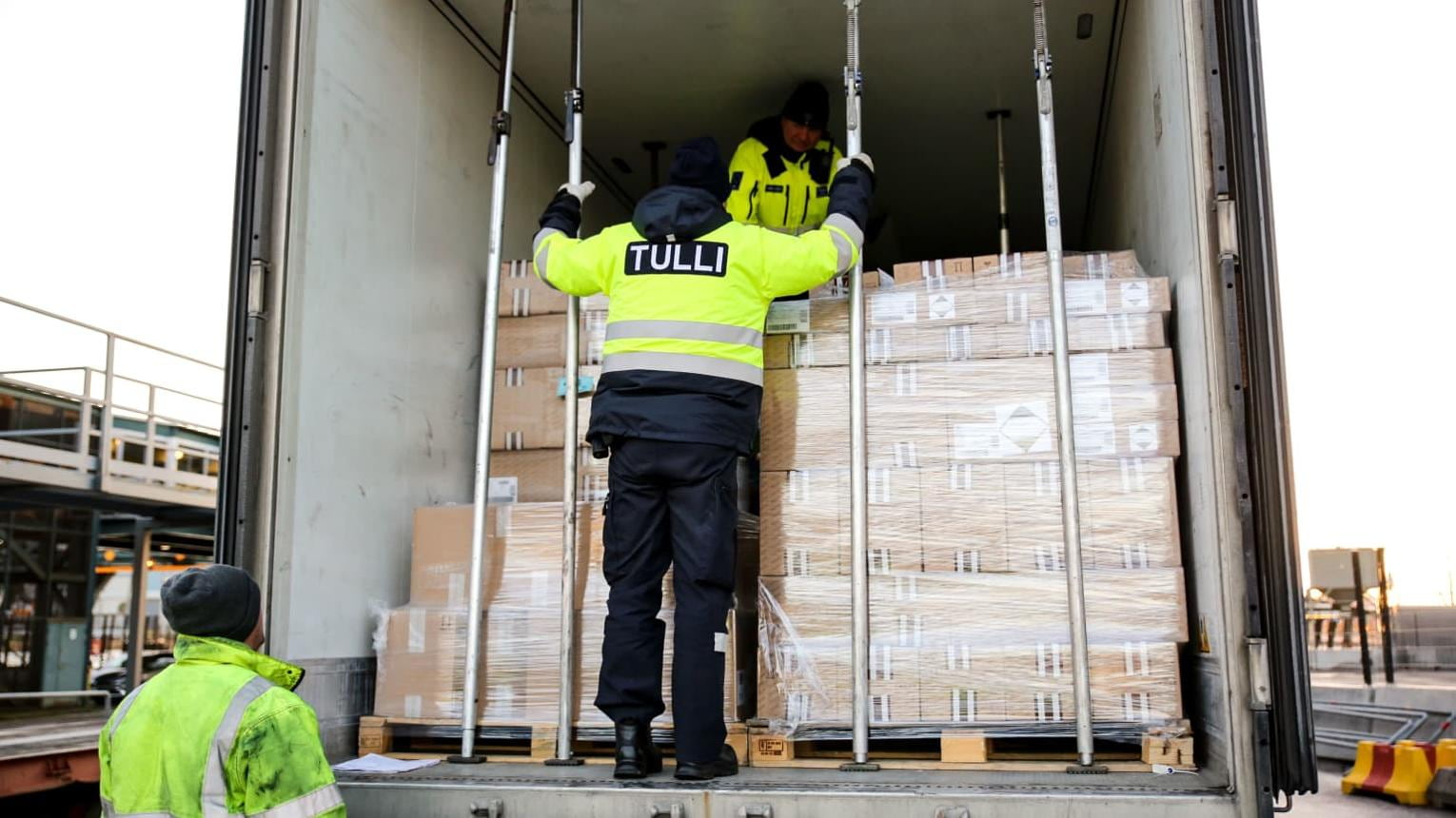
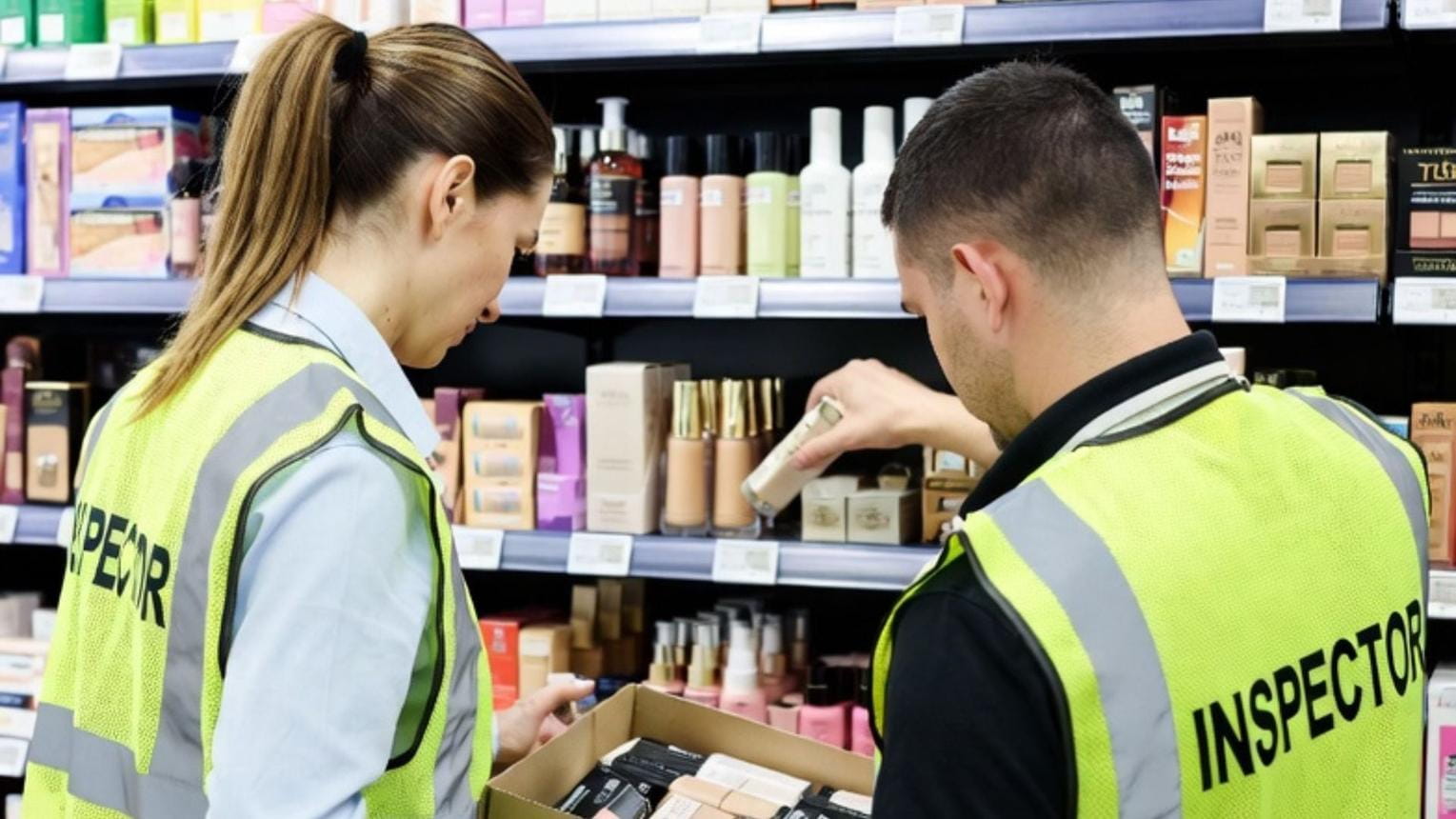
Last year more than four billion such parcels reached the Union, the overwhelming majority from China, and customs officers struggled to check even a fraction. Brussels argued that the old exemption both starved treasuries of revenue and let unsafe goods slip past inspection.
Platforms saw it coming. Shein, Temu and AliExpress have poured money into European warehouses so that orders ship from inside the bloc and dodge the per-item charge, a shift that may blunt the fee’s sting while handing local logistics hubs like Liege fresh volumes. Trade specialists have tracked the plan in detail.
The three-euro levy is a stopgap. It runs only until mid-2028, when a broader overhaul of the customs code takes over and replaces the flat charge with standard product tariffs applied to imports of any value.
Retailers inside Europe have largely welcomed the change. They long complained that overseas sellers undercut them by avoiding duties, safety testing and the packaging rules that domestic firms must obey, and they see the new charge as a first step toward a level field.
Consumers may notice little at first. Three euros spread across a basket of goods rarely shifts a purchase, and analysts doubt the fee alone will slow the appetite for ultra-cheap imports. The deeper effect lies in the data trail each declaration creates.
That paperwork gives customs authorities something the old system denied them, a clear record of who ships what and from where. Over time officials expect it to sharpen enforcement against dangerous or counterfeit goods far more than the modest revenue suggests.
For now the change is quietly rewriting the economics of cross-border shopping. The duty-free parcel is gone, and with it the assumption that anything ordered from afar arrives untouched by the Union’s tax collectors.