August 9, 2026
LATEST
New EU Gas Market Rules Take Effect With Consumer SafeguardsDeforestation Regulation Holds Its December Deadline Despite CutsDigital Omnibus Delays Europe’s High-Risk AI Deadline to 2027Europe’s Schools Confront a Widening Basic Skills GapRule of Law Report Finds Progress but Trust Still LagsIRIS2 Gains 66 Satellites as Brussels Signs the Rollout DealNature Restoration Plans Come Due as Member States Race a DeadlineECB Rates Hold at 2.25 Percent as Frankfurt Waits on the DataEU Budget Talks Turn to Cohesion as Ireland Takes OverWildfire Response Stretches Europe’s Emergency Fleet ThinCan Europe’s Quantum Plan Match Its Big Ambitions?Armenia Edges West as Moscow’s Grip Slips AwayEurope Inherits the World’s Aid Bill It Cannot Fully PayAir Passenger Rights Get Their First Overhaul in Two DecadesErasmus Opens a 5 Billion Euro Round for Skills and MobilityCeuta Crisis Pushes the EU Toward Faster Migrant ReturnsBulky Parcels Face a Packaging Crackdown From August 12Can Europe Build Its Drone Wall Before 2030 Arrives?Indonesia’s Trade Deal With Europe Nears Its Final SignatureEurope Leans on Beijing to Keep Climate Talks Alive Before AntalyaNew EU Gas Market Rules Take Effect With Consumer SafeguardsDeforestation Regulation Holds Its December Deadline Despite CutsDigital Omnibus Delays Europe’s High-Risk AI Deadline to 2027Europe’s Schools Confront a Widening Basic Skills GapRule of Law Report Finds Progress but Trust Still LagsIRIS2 Gains 66 Satellites as Brussels Signs the Rollout DealNature Restoration Plans Come Due as Member States Race a DeadlineECB Rates Hold at 2.25 Percent as Frankfurt Waits on the DataEU Budget Talks Turn to Cohesion as Ireland Takes OverWildfire Response Stretches Europe’s Emergency Fleet ThinCan Europe’s Quantum Plan Match Its Big Ambitions?Armenia Edges West as Moscow’s Grip Slips AwayEurope Inherits the World’s Aid Bill It Cannot Fully PayAir Passenger Rights Get Their First Overhaul in Two DecadesErasmus Opens a 5 Billion Euro Round for Skills and MobilityCeuta Crisis Pushes the EU Toward Faster Migrant ReturnsBulky Parcels Face a Packaging Crackdown From August 12Can Europe Build Its Drone Wall Before 2030 Arrives?Indonesia’s Trade Deal With Europe Nears Its Final SignatureEurope Leans on Beijing to Keep Climate Talks Alive Before Antalya
August 9, 2026
LATEST
New EU Gas Market Rules Take Effect With Consumer SafeguardsDeforestation Regulation Holds Its December Deadline Despite CutsDigital Omnibus Delays Europe’s High-Risk AI Deadline to 2027Europe’s Schools Confront a Widening Basic Skills GapRule of Law Report Finds Progress but Trust Still LagsIRIS2 Gains 66 Satellites as Brussels Signs the Rollout DealNature Restoration Plans Come Due as Member States Race a DeadlineECB Rates Hold at 2.25 Percent as Frankfurt Waits on the DataEU Budget Talks Turn to Cohesion as Ireland Takes OverWildfire Response Stretches Europe’s Emergency Fleet ThinCan Europe’s Quantum Plan Match Its Big Ambitions?Armenia Edges West as Moscow’s Grip Slips AwayEurope Inherits the World’s Aid Bill It Cannot Fully PayAir Passenger Rights Get Their First Overhaul in Two DecadesErasmus Opens a 5 Billion Euro Round for Skills and MobilityCeuta Crisis Pushes the EU Toward Faster Migrant ReturnsBulky Parcels Face a Packaging Crackdown From August 12Can Europe Build Its Drone Wall Before 2030 Arrives?Indonesia’s Trade Deal With Europe Nears Its Final SignatureEurope Leans on Beijing to Keep Climate Talks Alive Before AntalyaNew EU Gas Market Rules Take Effect With Consumer SafeguardsDeforestation Regulation Holds Its December Deadline Despite CutsDigital Omnibus Delays Europe’s High-Risk AI Deadline to 2027Europe’s Schools Confront a Widening Basic Skills GapRule of Law Report Finds Progress but Trust Still LagsIRIS2 Gains 66 Satellites as Brussels Signs the Rollout DealNature Restoration Plans Come Due as Member States Race a DeadlineECB Rates Hold at 2.25 Percent as Frankfurt Waits on the DataEU Budget Talks Turn to Cohesion as Ireland Takes OverWildfire Response Stretches Europe’s Emergency Fleet ThinCan Europe’s Quantum Plan Match Its Big Ambitions?Armenia Edges West as Moscow’s Grip Slips AwayEurope Inherits the World’s Aid Bill It Cannot Fully PayAir Passenger Rights Get Their First Overhaul in Two DecadesErasmus Opens a 5 Billion Euro Round for Skills and MobilityCeuta Crisis Pushes the EU Toward Faster Migrant ReturnsBulky Parcels Face a Packaging Crackdown From August 12Can Europe Build Its Drone Wall Before 2030 Arrives?Indonesia’s Trade Deal With Europe Nears Its Final SignatureEurope Leans on Beijing to Keep Climate Talks Alive Before Antalya

Can Smarter Grids Really Cut €71 Billion From Power Bills

Munich: When the European Commission published its Strategic Roadmap for Digitalisation and Artificial Intelligence in Energy on 3 June 2026, it attached a number designed to travel. Digital tools, the Commission argued, could shave more than seventy-one billion euros a year off what European consumers pay for electricity, chiefly by shifting demand to the hours when power is cheap and plentiful. Add the wider gains to the system and the figure swells past three hundred billion. It is the kind of headline that makes a roadmap sound like a rebate. The reality is more conditional.

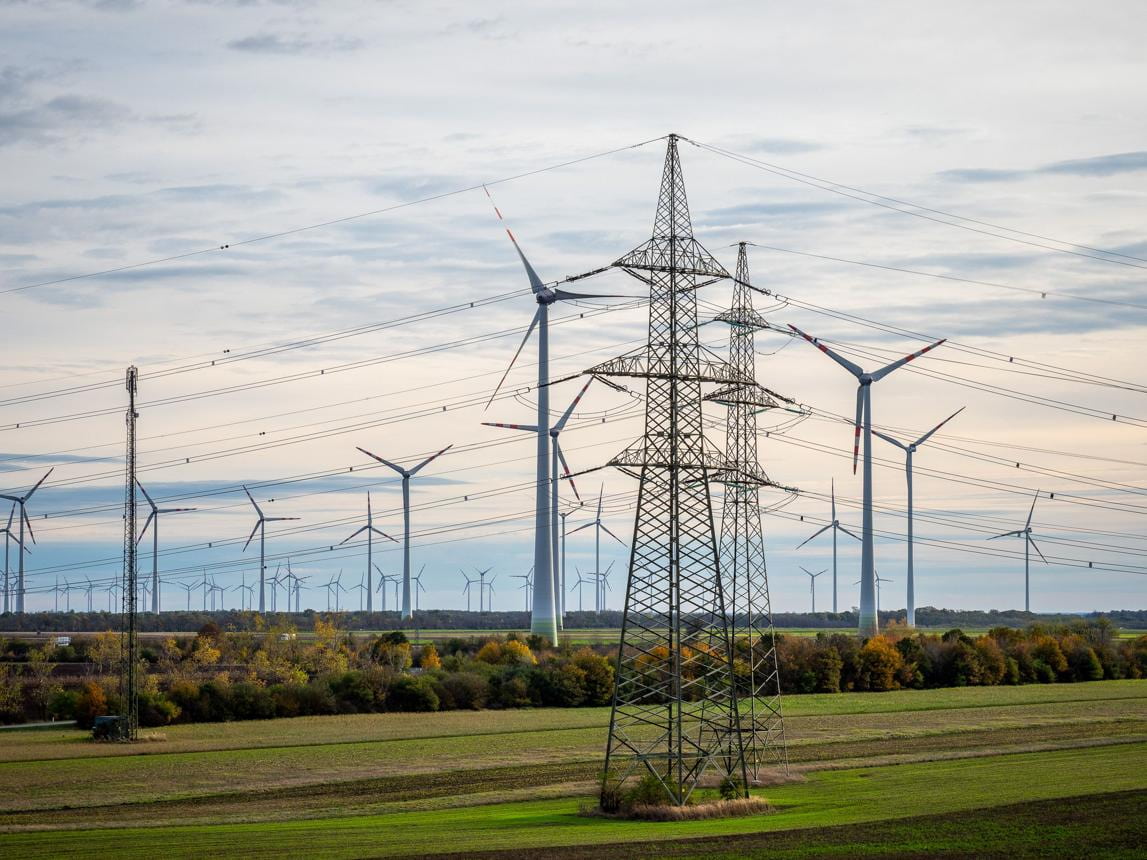
The logic behind demand-side flexibility is sound and, by now, familiar. Electricity from wind and sun is abundant at some hours and scarce at others, yet most households and many firms still consume as though price never moves. Software that lets a heat pump, an electric car or an industrial process lean into cheap periods and ease off expensive ones can flatten those peaks, and flatter peaks mean fewer costly plants held in reserve and less strain on the grid. Artificial intelligence enters as the optimiser, forecasting output, balancing loads and spotting faults faster than any control room could by hand.

The roadmap sits inside the Commission’s broader Technological Sovereignty Package, and that placement matters. Brussels does not merely want smarter grids, it wants them run on European rather than imported intelligence, hence the emphasis on sovereign AI and on cybersecurity for infrastructure that becomes more exposed the more it is digitised. The 2026 to 2027 work programme puts real if modest money behind the rhetoric, roughly a hundred million euros for advanced smart-grid solutions, seventy-five million for AI energy applications and a further tranche for digital tools across renewables and buildings.

Yet the seventy-one billion should be read as a ceiling, not a cheque. The savings are modelled, and they assume a chain of conditions that does not yet hold across most of the Union. Households need smart meters, which some countries have rolled out and others have barely begun. They need dynamic tariffs that actually reward flexibility, and a reason to trust an algorithm with the timing of their heating. Industry needs processes that can bend without denting output. Strip away those preconditions and the promised windfall narrows to the minority already equipped to capture it.

There is a sharper irony the roadmap acknowledges only in passing. The same digital expansion meant to make the grid efficient is itself a fast-growing source of demand, as data centres multiply to train the models doing the optimising. A strategy that reduces consumer bills while quietly inflating industrial load has not so much solved the problem as moved it, and the net effect will depend on choices about where and how that computing capacity is built.

For all that, the direction is hard to fault. Europe’s energy costs remain a competitiveness problem, its grids were built for a fossil age of steady, centralised supply, and doing nothing guarantees the bills stay high. The honest reading of the roadmap is that it describes an opportunity rather than an entitlement. Whether households ever see a meaningful share of that seventy-one billion depends less on the elegance of the algorithms than on the dull work of meters, tariffs and trust that has to happen first. On that, the Commission can set the direction, but it cannot flick the switch alone.