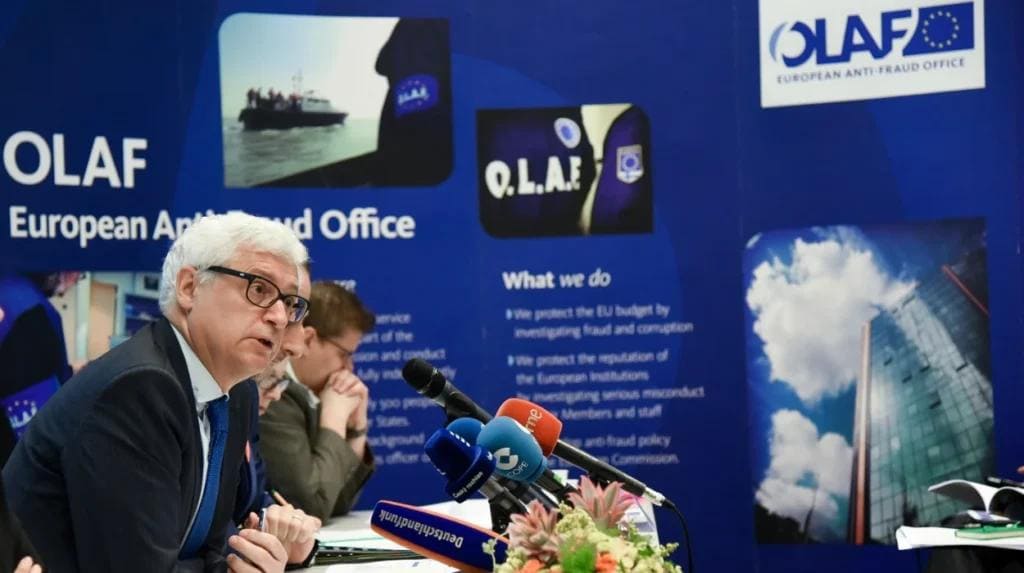
Belgrade: Investigators at the European Anti-Fraud Office have unpicked a smuggling route that funnelled more than 200,000 counterfeit condoms into European shops, and the trail ran straight back to a single supplier in China.
The fakes carried the name and logo of a well-known brand, which let traders sell them as trusted protection. They were nothing of the sort. OLAF compared products seized in Romania, Serbia and Spain, worked through the packaging and batch markings with national customs teams, and matched every sample to one common source. The office valued the haul at more than 200,000 euro.
The danger sits in what the counterfeits skipped. Genuine condoms must pass microbial contamination checks, biocompatibility screening, leak-testing, dimensional requirements and shelf-life stability trials. These products cleared none of them. Anyone who used them risked sexually transmitted infections, unplanned pregnancy and exposure to unsafe chemicals, all while believing they were safe.
OLAF published the findings on 7 July, framing the case as a warning rather than a one-off win. Counterfeiters increasingly target low-cost health goods because shoppers rarely question a familiar wrapper, and because a fake medical device slips through the same channels as any other cheap import. The office argues that customs officers now need forensic-grade comparison work to tell a genuine product from a convincing copy.
The condom case lands as OLAF closes a strong year. In its 2025 report, the office recommended recovering 597 million euro for the EU budget after uncovering fraud and irregularities across agriculture, cohesion and customs files. Hungarian rural development funds, sanctions-busting vehicle exports and now counterfeit health goods all sat on the same desk, a spread that shows how widely fraudsters test the Union’s defences.
National authorities carry out the seizures, but OLAF supplies the connective tissue, linking a warehouse in one country to a shipment in another and a factory beyond the bloc. Officials say that coordination matters most when a route crosses an external border, because no single customs service sees the whole chain.
The office wants the case to push shoppers toward caution as well. It urges consumers to buy intimate health products from pharmacies and established retailers, to distrust prices that look too low, and to report suspect goods. For the traders behind the route, the disruption cuts a lucrative supply line. For everyone else, it is a reminder that a counterfeit can carry a real health cost. More on the office and its live investigations sits on the OLAF website.