Brussels: The European Union prepares to reopen its carbon market on 15 July, and the stakes stretch well beyond the price of a tonne of carbon dioxide. The Emissions Trading System has anchored European climate policy since 2005. Officials now want the same instrument to protect factories that compete against rivals paying nothing for their pollution.
The tension sits at the heart of the review. For most of its life the ETS chased one target, which was steady emission cuts through a shrinking cap. Commissioners increasingly frame the next phase around industrial survival. That shift reflects a Europe worried about energy costs, thinning order books and the pull of cheaper production abroad.
What the review actually changes
Three moving parts define the July package. The first concerns the pace of the cap, the annual ceiling that forces total emissions down. The second involves free allowances, the pollution permits that heavy industry still receives at no charge. The third ties the market to the Carbon Border Adjustment Mechanism, the levy that charges importers for the carbon embedded in steel, cement and fertiliser.
Each lever pulls against the others. Faster cuts please climate campaigners but raise costs for manufacturers. Generous free allowances calm industry yet blunt the price signal that drives investment in clean technology. The border levy promises a fairer field, though trading partners warn of retaliation and legal challenges at the World Trade Organization.
Analysts reading the Commission’s early signals expect a careful balancing act rather than a bold leap. Officials appear ready to defend the 2030 trajectory while softening the edges for exposed sectors. That approach keeps the headline climate goal intact and buys political room with capitals nervous about deindustrialisation.
Why the timing matters
The review lands amid a wider fight over Europe’s 2040 climate target, informally called the Fit for 90 package. That plan aims for a ninety percent net cut in greenhouse gases by 2040. The ETS revision effectively sets the groundwork, because a credible carbon price underpins every other number in the strategy.
Money adds urgency. The carbon market has become a major revenue source, funnelling billions into national budgets and the Union’s own climate fund. A weaker price would starve programmes that finance renewables, building renovations and support for lower income households facing higher energy bills. Governments that lean on this income watch the review closely.
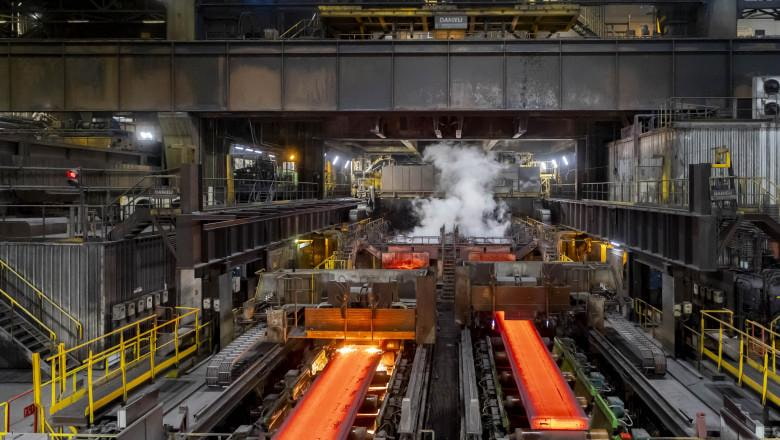
Industry groups make a competing case. They argue that a rising carbon price, layered on top of expensive gas and electricity, pushes production toward regions with looser rules. Economists call this carbon leakage, and the evidence remains contested. Some studies find little movement so far, while others warn that the risk grows as free allowances fade.
The border levy sharpens the debate. Brussels designed the mechanism to replace free allowances gradually, charging importers what domestic producers pay. Exporters in developing economies view the tool as protectionism dressed in green language. European negotiators insist it merely equalises the cost of carbon, yet the diplomatic friction keeps building.
What emerges on 15 July will shape investment decisions for a decade. A clear, predictable price rewards companies that spend now on cleaner furnaces and green hydrogen. A muddled compromise invites hesitation, and hesitation stalls the very transition the market exists to drive.
The deeper question runs through the whole exercise. Europe wants to prove that a continent can cut emissions and keep its industry, and the carbon market is the test case. The July review will not settle that argument, but it will reveal how far leaders will push before competitiveness fears force them to blink.