August 9, 2026
LATEST
Pension Savings Rules Get a Reset as the EU Scraps the 1% CapMedicine Shortages Move to the Heart of Europe’s Pharma ResetJapan Becomes Europe’s Closest Security Partner in AsiaCan Europe’s New Zealand Deal Anchor It in the Pacific?Chip Research Binds Europe and South Korea CloserMinimum Prices Replace Tariffs in Europe’s China Car DealBrussels and Beijing Keep Talking While the Trade Gap WidensKorean Weapons and EU Loans Now Bankroll Europe’s RearmamentNew EU Gas Market Rules Take Effect With Consumer SafeguardsDeforestation Regulation Holds Its December Deadline Despite CutsDigital Omnibus Delays Europe’s High-Risk AI Deadline to 2027Europe’s Schools Confront a Widening Basic Skills GapRule of Law Report Finds Progress but Trust Still LagsIRIS2 Gains 66 Satellites as Brussels Signs the Rollout DealNature Restoration Plans Come Due as Member States Race a DeadlineECB Rates Hold at 2.25 Percent as Frankfurt Waits on the DataEU Budget Talks Turn to Cohesion as Ireland Takes OverWildfire Response Stretches Europe’s Emergency Fleet ThinCan Europe’s Quantum Plan Match Its Big Ambitions?Armenia Edges West as Moscow’s Grip Slips AwayPension Savings Rules Get a Reset as the EU Scraps the 1% CapMedicine Shortages Move to the Heart of Europe’s Pharma ResetJapan Becomes Europe’s Closest Security Partner in AsiaCan Europe’s New Zealand Deal Anchor It in the Pacific?Chip Research Binds Europe and South Korea CloserMinimum Prices Replace Tariffs in Europe’s China Car DealBrussels and Beijing Keep Talking While the Trade Gap WidensKorean Weapons and EU Loans Now Bankroll Europe’s RearmamentNew EU Gas Market Rules Take Effect With Consumer SafeguardsDeforestation Regulation Holds Its December Deadline Despite CutsDigital Omnibus Delays Europe’s High-Risk AI Deadline to 2027Europe’s Schools Confront a Widening Basic Skills GapRule of Law Report Finds Progress but Trust Still LagsIRIS2 Gains 66 Satellites as Brussels Signs the Rollout DealNature Restoration Plans Come Due as Member States Race a DeadlineECB Rates Hold at 2.25 Percent as Frankfurt Waits on the DataEU Budget Talks Turn to Cohesion as Ireland Takes OverWildfire Response Stretches Europe’s Emergency Fleet ThinCan Europe’s Quantum Plan Match Its Big Ambitions?Armenia Edges West as Moscow’s Grip Slips Away
August 9, 2026
LATEST
Pension Savings Rules Get a Reset as the EU Scraps the 1% CapMedicine Shortages Move to the Heart of Europe’s Pharma ResetJapan Becomes Europe’s Closest Security Partner in AsiaCan Europe’s New Zealand Deal Anchor It in the Pacific?Chip Research Binds Europe and South Korea CloserMinimum Prices Replace Tariffs in Europe’s China Car DealBrussels and Beijing Keep Talking While the Trade Gap WidensKorean Weapons and EU Loans Now Bankroll Europe’s RearmamentNew EU Gas Market Rules Take Effect With Consumer SafeguardsDeforestation Regulation Holds Its December Deadline Despite CutsDigital Omnibus Delays Europe’s High-Risk AI Deadline to 2027Europe’s Schools Confront a Widening Basic Skills GapRule of Law Report Finds Progress but Trust Still LagsIRIS2 Gains 66 Satellites as Brussels Signs the Rollout DealNature Restoration Plans Come Due as Member States Race a DeadlineECB Rates Hold at 2.25 Percent as Frankfurt Waits on the DataEU Budget Talks Turn to Cohesion as Ireland Takes OverWildfire Response Stretches Europe’s Emergency Fleet ThinCan Europe’s Quantum Plan Match Its Big Ambitions?Armenia Edges West as Moscow’s Grip Slips AwayPension Savings Rules Get a Reset as the EU Scraps the 1% CapMedicine Shortages Move to the Heart of Europe’s Pharma ResetJapan Becomes Europe’s Closest Security Partner in AsiaCan Europe’s New Zealand Deal Anchor It in the Pacific?Chip Research Binds Europe and South Korea CloserMinimum Prices Replace Tariffs in Europe’s China Car DealBrussels and Beijing Keep Talking While the Trade Gap WidensKorean Weapons and EU Loans Now Bankroll Europe’s RearmamentNew EU Gas Market Rules Take Effect With Consumer SafeguardsDeforestation Regulation Holds Its December Deadline Despite CutsDigital Omnibus Delays Europe’s High-Risk AI Deadline to 2027Europe’s Schools Confront a Widening Basic Skills GapRule of Law Report Finds Progress but Trust Still LagsIRIS2 Gains 66 Satellites as Brussels Signs the Rollout DealNature Restoration Plans Come Due as Member States Race a DeadlineECB Rates Hold at 2.25 Percent as Frankfurt Waits on the DataEU Budget Talks Turn to Cohesion as Ireland Takes OverWildfire Response Stretches Europe’s Emergency Fleet ThinCan Europe’s Quantum Plan Match Its Big Ambitions?Armenia Edges West as Moscow’s Grip Slips Away

Bluetongue Rules Ease as Europe Downgrades the Cattle Disease

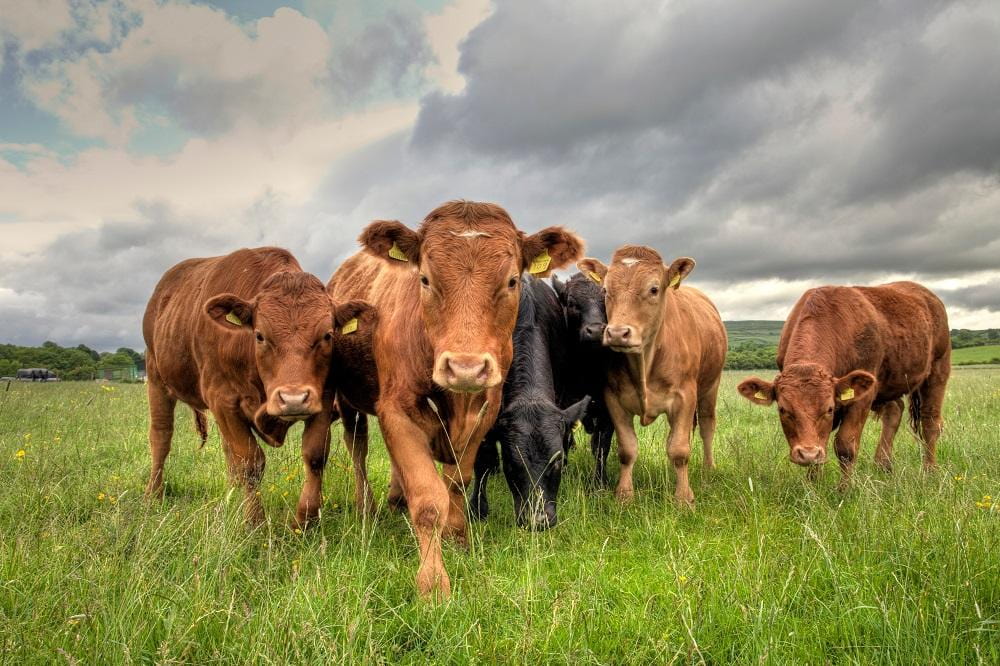
Parma: A shift in Europe’s bluetongue rules takes effect this week, quietly rewriting how the bloc treats a virus that has spread through its cattle and sheep flocks for years.

Under a new implementing regulation, infection with the bluetongue virus moves into a lower disease category, a reclassification that applies from 15 July. The change may sound technical, but it reshapes the obligations that fall on farmers, veterinarians, and national authorities when the disease appears, softening the strict eradication regime that governed earlier outbreaks.

Bluetongue spreads through biting midges rather than contact between animals, which makes it nearly impossible to stamp out once it establishes itself in a region. Warmer summers have pushed the midges farther north, and recent seasons carried the virus into herds that had never encountered it. The old rulebook, built around containment and movement bans, strained against a disease that the weather now spreads across borders.

By recasting the virus as a category that emphasises monitoring and voluntary control rather than compulsory eradication, the regulation gives member states more room to manage the disease as an endemic risk. Authorities can concentrate resources on surveillance and vaccination instead of the blanket restrictions that disrupted livestock trade and left farmers unable to move animals during outbreaks.

The reclassification triggers a cascade of further adjustments. Officials plan to amend a series of delegated and implementing rules from the same date, aligning the paperwork on movement, trade, and reporting with the virus’s new status. The Commission has gathered the technical detail on its bluetongue page, which lays out the surveillance expectations that replace the old controls.

Farmers greet the change with cautious relief. Movement bans during past outbreaks stranded animals, delayed sales, and piled costs onto producers already squeezed by thin margins. A regime that leans on vaccination and monitoring promises fewer sudden shutdowns, though it also shifts more responsibility onto individual farms to watch their herds and act early.

Veterinary groups warn that a lighter touch carries its own risk. If authorities ease pressure too far, the virus could circulate more widely and mutate into strains that vaccines struggle to match. The disease has already produced variants that caught earlier control efforts off guard, and complacency could prove costly for a sector that depends on healthy stock.

The change reflects a broader reckoning with climate-driven animal disease. Pathogens once confined to warmer latitudes now reach into central and northern Europe, and the bloc’s rules, written for a cooler continent, no longer fit the map. Reclassifying bluetongue is one small admission that the old certainties have shifted, and that Europe must learn to live with diseases it once hoped to expel entirely.