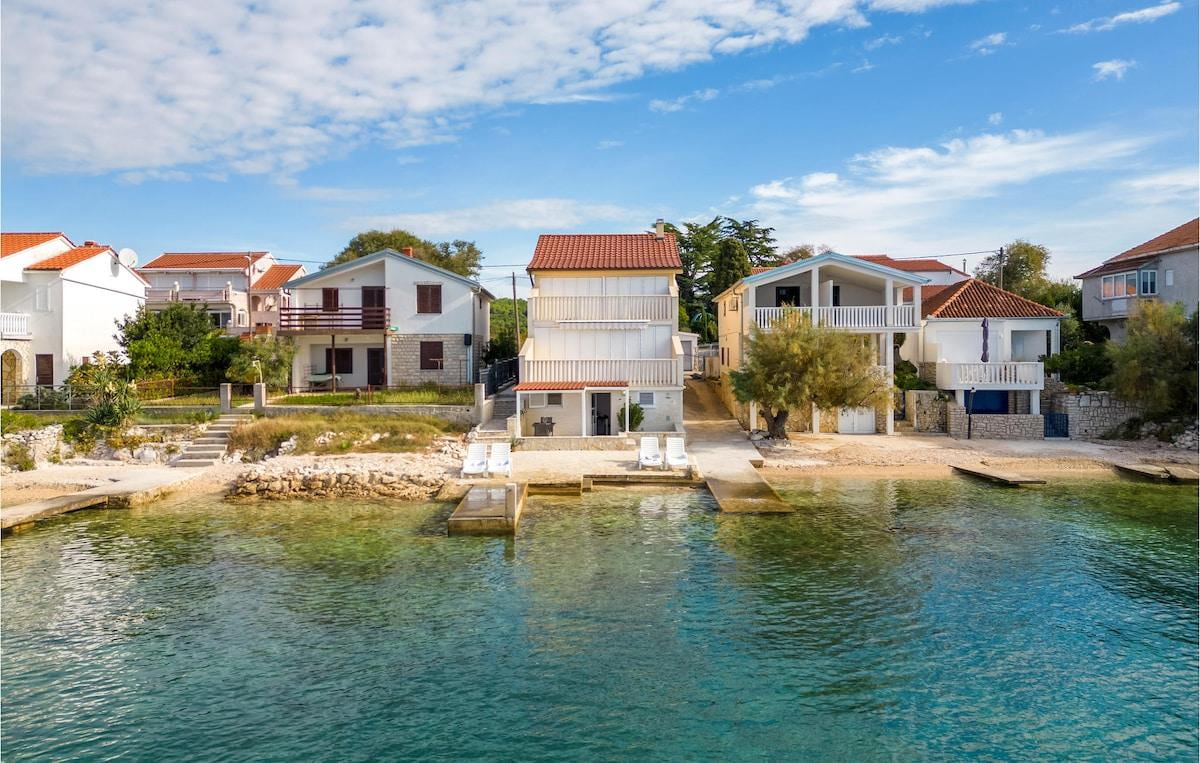
Split: Every summer the old lanes of this Adriatic city fill with visitors who never set foot in a hotel lobby. They arrive with a booking code on their phone and a key left in a lockbox. Fresh figures from Eurostat show how far that habit has spread across the continent, and how central platform tourism has become to the way Europeans travel.
Guests booked ten percent more nights through Airbnb, Booking and Expedia in the first quarter of 2026 than in the same months a year earlier. The statisticians counted the stays month by month, and each one beat its 2025 equivalent. The winter quarter rarely draws crowds, yet even the quiet season kept climbing.
The momentum builds on a landmark year. Across 2025 travellers spent 951.6 million nights in short-stay flats and rooms booked through the three platforms, a whisker short of a full billion. That total ran 11.4 percent above 2024 and towered 32.4 percent over 2023, a rise that reshaped how tourism boards plan for the season.
Demand clusters where the sun and the coast meet. Croatia’s Adriatic region topped the ranking in the third quarter of 2025 with 27.7 million nights, ahead of Andalusia in Spain on 19.5 million and France’s Provence-Alpes-Côte d’Azur on 16.9 million. Regions like these now absorb a slice of visitors that once spread across licensed hotels.
That concentration explains why mayors from Split to Seville have pushed back. Residents complain that flats vanish from the long-term market as owners chase tourist money, and city halls have started to cap new licences and tax overnight guests. Eurostat’s numbers hand those officials the evidence they lacked when the boom began.
The data also feeds a wider policy push. Under the bloc’s overhaul of value-added tax, platforms will soon collect the levy on short stays they facilitate, closing a gap that let some hosts slip below the tax net. Regulators argue that better figures make fairer rules, because a market this large can no longer sit in the shadows.
Eurostat still labels the series experimental, since it rests on a deal struck directly with the platforms rather than on national surveys. Even so, the trend line points one way. Travellers keep choosing a stranger’s spare room over a chain hotel, and the numbers grow harder to ignore with every quarter.
Hoteliers, meanwhile, watch the shift with unease. They argue that platform hosts escape the fire checks, insurance rules and taxes that licensed lodgings must shoulder, and they press governments for a level playing field. The bloc’s new short-term rental rules, which force platforms to share host data with authorities, aim to answer that grievance as the numbers keep swelling.