August 9, 2026
LATEST
New EU Gas Market Rules Take Effect With Consumer SafeguardsDeforestation Regulation Holds Its December Deadline Despite CutsDigital Omnibus Delays Europe’s High-Risk AI Deadline to 2027Europe’s Schools Confront a Widening Basic Skills GapRule of Law Report Finds Progress but Trust Still LagsIRIS2 Gains 66 Satellites as Brussels Signs the Rollout DealNature Restoration Plans Come Due as Member States Race a DeadlineECB Rates Hold at 2.25 Percent as Frankfurt Waits on the DataEU Budget Talks Turn to Cohesion as Ireland Takes OverWildfire Response Stretches Europe’s Emergency Fleet ThinCan Europe’s Quantum Plan Match Its Big Ambitions?Armenia Edges West as Moscow’s Grip Slips AwayEurope Inherits the World’s Aid Bill It Cannot Fully PayAir Passenger Rights Get Their First Overhaul in Two DecadesErasmus Opens a 5 Billion Euro Round for Skills and MobilityCeuta Crisis Pushes the EU Toward Faster Migrant ReturnsBulky Parcels Face a Packaging Crackdown From August 12Can Europe Build Its Drone Wall Before 2030 Arrives?Indonesia’s Trade Deal With Europe Nears Its Final SignatureEurope Leans on Beijing to Keep Climate Talks Alive Before AntalyaNew EU Gas Market Rules Take Effect With Consumer SafeguardsDeforestation Regulation Holds Its December Deadline Despite CutsDigital Omnibus Delays Europe’s High-Risk AI Deadline to 2027Europe’s Schools Confront a Widening Basic Skills GapRule of Law Report Finds Progress but Trust Still LagsIRIS2 Gains 66 Satellites as Brussels Signs the Rollout DealNature Restoration Plans Come Due as Member States Race a DeadlineECB Rates Hold at 2.25 Percent as Frankfurt Waits on the DataEU Budget Talks Turn to Cohesion as Ireland Takes OverWildfire Response Stretches Europe’s Emergency Fleet ThinCan Europe’s Quantum Plan Match Its Big Ambitions?Armenia Edges West as Moscow’s Grip Slips AwayEurope Inherits the World’s Aid Bill It Cannot Fully PayAir Passenger Rights Get Their First Overhaul in Two DecadesErasmus Opens a 5 Billion Euro Round for Skills and MobilityCeuta Crisis Pushes the EU Toward Faster Migrant ReturnsBulky Parcels Face a Packaging Crackdown From August 12Can Europe Build Its Drone Wall Before 2030 Arrives?Indonesia’s Trade Deal With Europe Nears Its Final SignatureEurope Leans on Beijing to Keep Climate Talks Alive Before Antalya
August 9, 2026
LATEST
New EU Gas Market Rules Take Effect With Consumer SafeguardsDeforestation Regulation Holds Its December Deadline Despite CutsDigital Omnibus Delays Europe’s High-Risk AI Deadline to 2027Europe’s Schools Confront a Widening Basic Skills GapRule of Law Report Finds Progress but Trust Still LagsIRIS2 Gains 66 Satellites as Brussels Signs the Rollout DealNature Restoration Plans Come Due as Member States Race a DeadlineECB Rates Hold at 2.25 Percent as Frankfurt Waits on the DataEU Budget Talks Turn to Cohesion as Ireland Takes OverWildfire Response Stretches Europe’s Emergency Fleet ThinCan Europe’s Quantum Plan Match Its Big Ambitions?Armenia Edges West as Moscow’s Grip Slips AwayEurope Inherits the World’s Aid Bill It Cannot Fully PayAir Passenger Rights Get Their First Overhaul in Two DecadesErasmus Opens a 5 Billion Euro Round for Skills and MobilityCeuta Crisis Pushes the EU Toward Faster Migrant ReturnsBulky Parcels Face a Packaging Crackdown From August 12Can Europe Build Its Drone Wall Before 2030 Arrives?Indonesia’s Trade Deal With Europe Nears Its Final SignatureEurope Leans on Beijing to Keep Climate Talks Alive Before AntalyaNew EU Gas Market Rules Take Effect With Consumer SafeguardsDeforestation Regulation Holds Its December Deadline Despite CutsDigital Omnibus Delays Europe’s High-Risk AI Deadline to 2027Europe’s Schools Confront a Widening Basic Skills GapRule of Law Report Finds Progress but Trust Still LagsIRIS2 Gains 66 Satellites as Brussels Signs the Rollout DealNature Restoration Plans Come Due as Member States Race a DeadlineECB Rates Hold at 2.25 Percent as Frankfurt Waits on the DataEU Budget Talks Turn to Cohesion as Ireland Takes OverWildfire Response Stretches Europe’s Emergency Fleet ThinCan Europe’s Quantum Plan Match Its Big Ambitions?Armenia Edges West as Moscow’s Grip Slips AwayEurope Inherits the World’s Aid Bill It Cannot Fully PayAir Passenger Rights Get Their First Overhaul in Two DecadesErasmus Opens a 5 Billion Euro Round for Skills and MobilityCeuta Crisis Pushes the EU Toward Faster Migrant ReturnsBulky Parcels Face a Packaging Crackdown From August 12Can Europe Build Its Drone Wall Before 2030 Arrives?Indonesia’s Trade Deal With Europe Nears Its Final SignatureEurope Leans on Beijing to Keep Climate Talks Alive Before Antalya

Europe’s Water Resilience Plan Faces Its First Real Test

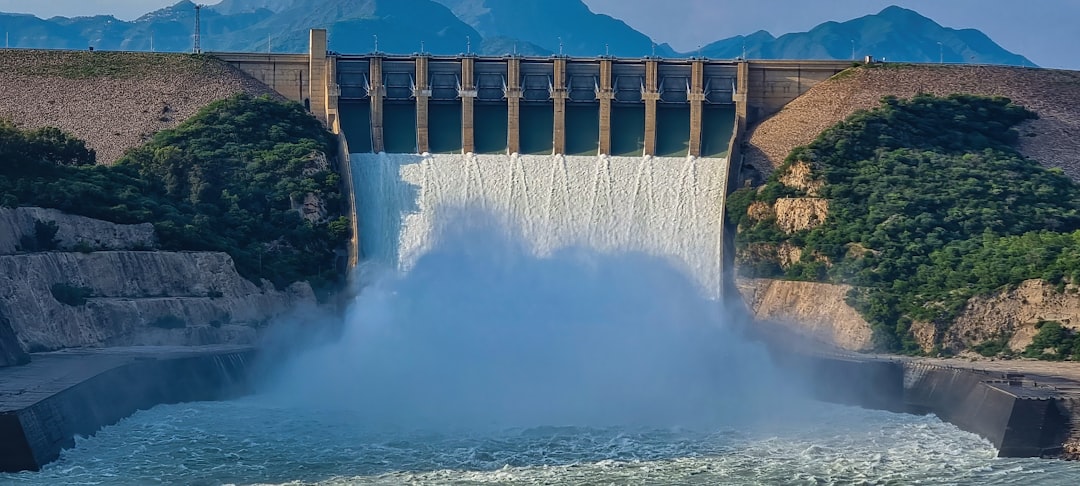
Brussels: A year after the Commission unveiled its water resilience strategy, the difficult part is beginning. The plan set out to restore the water cycle, build a water-smart economy and guarantee clean, affordable supply, and 2026 is the year those promises meet the machinery of implementation across twenty-seven member states.

The urgency is not abstract. Droughts have hit southern Europe with growing regularity, while floods have devastated central regions, and both extremes strain the same overstretched infrastructure. Water resilience has moved from an environmental niche to a question of economic security, food production and public health.

Turning strategy into rules

The strategy, adopted in June 2025, always risked being a document rather than a change on the ground. Recent steps suggest the Commission is trying to avoid that fate. Updated rules on the pollutants monitored in surface and groundwater have entered into force, tightening controls on substances that earlier lists ignored, and fresh guidance aims to make the tangle of existing EU water laws simpler and more consistent to apply. The Commission tracks these actions through its water resilience actions tracker.

A biennial water resilience forum, first held in December 2025, is meant to keep governments, industry and scientists accountable for progress. By the end of 2026 the Commission also intends to adopt a research and innovation strategy for water, an admission that Europe’s efforts remain fragmented and under-coordinated.

Where implementation gets hard

The strategy’s credibility now rests on money and enforcement, neither of which the Commission fully controls. Water infrastructure is largely a national and municipal responsibility, funded by budgets already stretched by defence, energy and social spending. A water-smart economy demands investment in leak repair, reuse and efficiency that pays back slowly and rarely wins elections.

There is also a tension between ambition and simplification. Businesses welcome clearer, harmonised rules, but environmental groups worry that clarifying the law can quietly become a route to weaken it. If guidance reduces uncertainty while lowering the bar, the strategy could deliver less protection than its headline targets imply.

The affordability question

Access to clean, affordable water sits at the heart of the plan, and it is politically the most sensitive element. As utilities invest to meet stricter standards and adapt to a changing climate, someone has to pay, and the risk is that bills rise fastest for households least able to absorb them. A strategy that improves ecological health while pricing vulnerable users out of reliable supply would fail its own social test.

None of this makes the water resilience strategy misguided. It correctly identifies water as a systemic risk that Europe has neglected for too long, and it links environmental restoration to the economy rather than treating the two as rivals. The strategy’s design is coherent, and its early legislative follow-through is real.

The test is whether Brussels can hold member states to commitments that are expensive, unglamorous and slow to show results. The forums, trackers and R&I strategy provide the scaffolding. Whether that scaffolding supports genuine change, or simply monitors a gap between promise and delivery, will become clear as the first deadlines arrive across the coming year.