August 9, 2026
LATEST
New EU Gas Market Rules Take Effect With Consumer SafeguardsDeforestation Regulation Holds Its December Deadline Despite CutsDigital Omnibus Delays Europe’s High-Risk AI Deadline to 2027Europe’s Schools Confront a Widening Basic Skills GapRule of Law Report Finds Progress but Trust Still LagsIRIS2 Gains 66 Satellites as Brussels Signs the Rollout DealNature Restoration Plans Come Due as Member States Race a DeadlineECB Rates Hold at 2.25 Percent as Frankfurt Waits on the DataEU Budget Talks Turn to Cohesion as Ireland Takes OverWildfire Response Stretches Europe’s Emergency Fleet ThinCan Europe’s Quantum Plan Match Its Big Ambitions?Armenia Edges West as Moscow’s Grip Slips AwayEurope Inherits the World’s Aid Bill It Cannot Fully PayAir Passenger Rights Get Their First Overhaul in Two DecadesErasmus Opens a 5 Billion Euro Round for Skills and MobilityCeuta Crisis Pushes the EU Toward Faster Migrant ReturnsBulky Parcels Face a Packaging Crackdown From August 12Can Europe Build Its Drone Wall Before 2030 Arrives?Indonesia’s Trade Deal With Europe Nears Its Final SignatureEurope Leans on Beijing to Keep Climate Talks Alive Before AntalyaNew EU Gas Market Rules Take Effect With Consumer SafeguardsDeforestation Regulation Holds Its December Deadline Despite CutsDigital Omnibus Delays Europe’s High-Risk AI Deadline to 2027Europe’s Schools Confront a Widening Basic Skills GapRule of Law Report Finds Progress but Trust Still LagsIRIS2 Gains 66 Satellites as Brussels Signs the Rollout DealNature Restoration Plans Come Due as Member States Race a DeadlineECB Rates Hold at 2.25 Percent as Frankfurt Waits on the DataEU Budget Talks Turn to Cohesion as Ireland Takes OverWildfire Response Stretches Europe’s Emergency Fleet ThinCan Europe’s Quantum Plan Match Its Big Ambitions?Armenia Edges West as Moscow’s Grip Slips AwayEurope Inherits the World’s Aid Bill It Cannot Fully PayAir Passenger Rights Get Their First Overhaul in Two DecadesErasmus Opens a 5 Billion Euro Round for Skills and MobilityCeuta Crisis Pushes the EU Toward Faster Migrant ReturnsBulky Parcels Face a Packaging Crackdown From August 12Can Europe Build Its Drone Wall Before 2030 Arrives?Indonesia’s Trade Deal With Europe Nears Its Final SignatureEurope Leans on Beijing to Keep Climate Talks Alive Before Antalya
August 9, 2026
LATEST
New EU Gas Market Rules Take Effect With Consumer SafeguardsDeforestation Regulation Holds Its December Deadline Despite CutsDigital Omnibus Delays Europe’s High-Risk AI Deadline to 2027Europe’s Schools Confront a Widening Basic Skills GapRule of Law Report Finds Progress but Trust Still LagsIRIS2 Gains 66 Satellites as Brussels Signs the Rollout DealNature Restoration Plans Come Due as Member States Race a DeadlineECB Rates Hold at 2.25 Percent as Frankfurt Waits on the DataEU Budget Talks Turn to Cohesion as Ireland Takes OverWildfire Response Stretches Europe’s Emergency Fleet ThinCan Europe’s Quantum Plan Match Its Big Ambitions?Armenia Edges West as Moscow’s Grip Slips AwayEurope Inherits the World’s Aid Bill It Cannot Fully PayAir Passenger Rights Get Their First Overhaul in Two DecadesErasmus Opens a 5 Billion Euro Round for Skills and MobilityCeuta Crisis Pushes the EU Toward Faster Migrant ReturnsBulky Parcels Face a Packaging Crackdown From August 12Can Europe Build Its Drone Wall Before 2030 Arrives?Indonesia’s Trade Deal With Europe Nears Its Final SignatureEurope Leans on Beijing to Keep Climate Talks Alive Before AntalyaNew EU Gas Market Rules Take Effect With Consumer SafeguardsDeforestation Regulation Holds Its December Deadline Despite CutsDigital Omnibus Delays Europe’s High-Risk AI Deadline to 2027Europe’s Schools Confront a Widening Basic Skills GapRule of Law Report Finds Progress but Trust Still LagsIRIS2 Gains 66 Satellites as Brussels Signs the Rollout DealNature Restoration Plans Come Due as Member States Race a DeadlineECB Rates Hold at 2.25 Percent as Frankfurt Waits on the DataEU Budget Talks Turn to Cohesion as Ireland Takes OverWildfire Response Stretches Europe’s Emergency Fleet ThinCan Europe’s Quantum Plan Match Its Big Ambitions?Armenia Edges West as Moscow’s Grip Slips AwayEurope Inherits the World’s Aid Bill It Cannot Fully PayAir Passenger Rights Get Their First Overhaul in Two DecadesErasmus Opens a 5 Billion Euro Round for Skills and MobilityCeuta Crisis Pushes the EU Toward Faster Migrant ReturnsBulky Parcels Face a Packaging Crackdown From August 12Can Europe Build Its Drone Wall Before 2030 Arrives?Indonesia’s Trade Deal With Europe Nears Its Final SignatureEurope Leans on Beijing to Keep Climate Talks Alive Before Antalya

Europe’s Largest Wildfire Response Meets a Hotter Summer

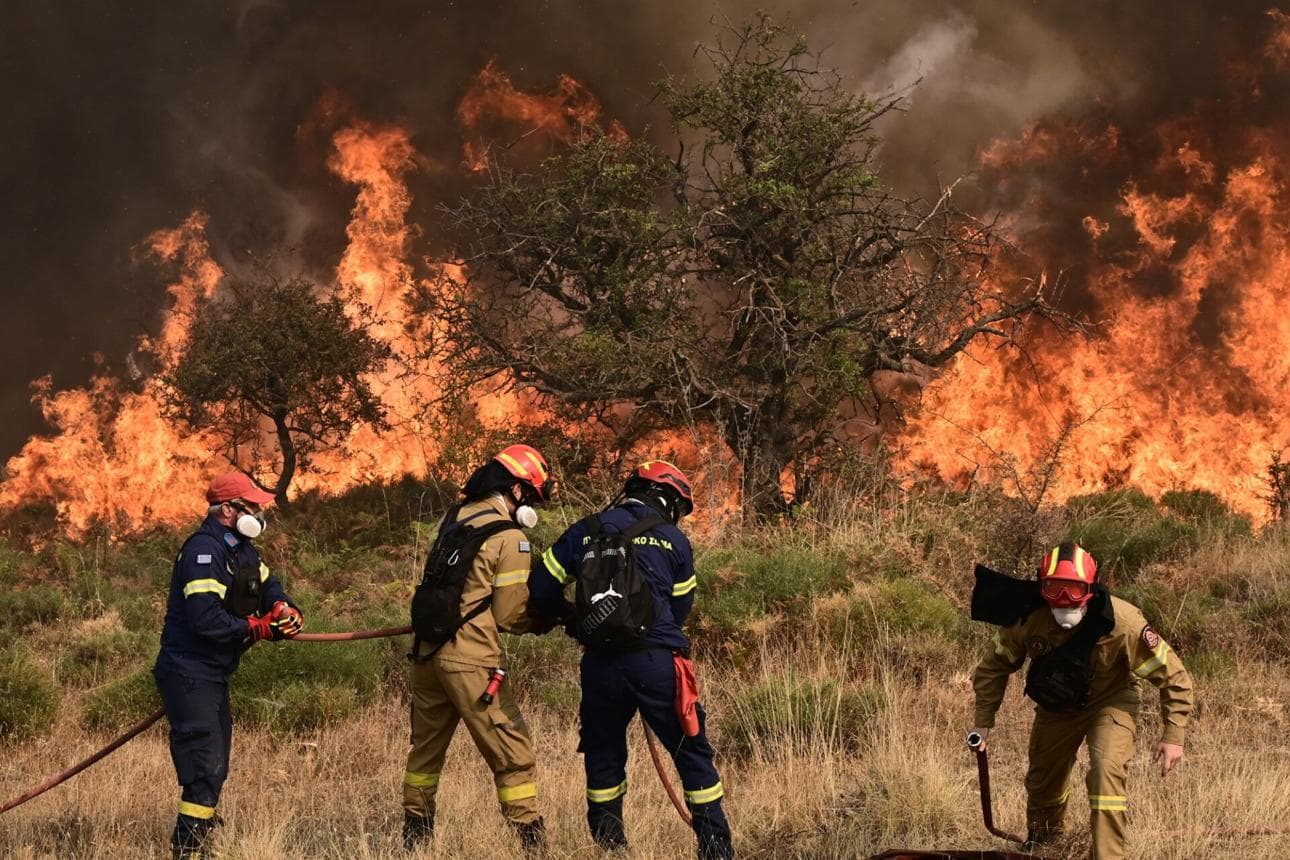
Athens: Europe entered the 2026 fire season with the biggest civil-protection deployment it has ever assembled, and it may still not be enough. In June the Commission announced its largest ever wildfire response, pre-positioning 777 firefighters from 14 countries across Cyprus, Greece, Italy, France, Spain and Portugal, the highest participation since the scheme began in 2022.

The hardware matched the ambition. The rescEU fleet put 22 firefighting aeroplanes and five helicopters on standby, backed by ground teams and a new regional firefighting station opening in Cyprus. Romania received the first helicopter of a permanent rescEU fleet in January, part of an order for 12 new planes the Union is buying outright rather than renting each summer.

Why the scale keeps growing

The expansion reflects a hard lesson. For years the EU relied on member states lending aircraft to one another, an arrangement that buckled whenever fires struck several countries at once. Building a Union-owned fleet fixes that single point of failure and lets Brussels move assets to wherever the season bites hardest.

And the season is biting harder. Early July already forced the EU to deploy support to Portugal and France as multiple blazes broke out together. Record heat, drier winters and longer summers have stretched the fire calendar well beyond its traditional August peak, and the southern Mediterranean now faces threats that once seemed exceptional.

The limits of a bigger fleet

Yet more planes cannot substitute for prevention. Most catastrophic fires start small and race through neglected land, unmanaged forests and tinder-dry undergrowth that no air fleet can tackle once a blaze runs. The Commission’s March strategy stressed prevention and land management, but those measures depend on national and regional authorities that often lack the money or the will to act before smoke appears.

A structural tension runs through the whole effort. Aerial firefighting is visible, dramatic and politically rewarding; clearing brush and enforcing building rules at the wildland-urban fringe is none of those things. A Union that funds spectacular wildfire response but leaves prevention to strapped local budgets may keep fighting the same fires, larger, every summer.

Climate projections offer little comfort. Even the programme’s designers concede that the fleet buys time rather than security, and that the real variable is how fast temperatures climb. Each additional degree lengthens the season and pushes the map of vulnerable regions northward, into countries with no tradition of large-scale firefighting.

Solidarity is the quiet strength of the system. A country whose own forces are overwhelmed can call on the Union pool within hours, and smaller states that could never fund a fleet of water bombers gain access to one. That pooling only works, though, if enough members contribute in a calm year, and a summer that scorches the whole Mediterranean at once could still leave every capital asking for help at the same moment.

For now the record deployment is the right call, 777 firefighters ready before the first major blaze beats scrambling after it. But the deeper measure of Europe’s wildfire response will not be how many planes it flies in August. It will be whether the Union pushes prevention as hard as it funds suppression, in the months when no fire burns and the political spotlight has moved on.