August 9, 2026
LATEST
New EU Gas Market Rules Take Effect With Consumer SafeguardsDeforestation Regulation Holds Its December Deadline Despite CutsDigital Omnibus Delays Europe’s High-Risk AI Deadline to 2027Europe’s Schools Confront a Widening Basic Skills GapRule of Law Report Finds Progress but Trust Still LagsIRIS2 Gains 66 Satellites as Brussels Signs the Rollout DealNature Restoration Plans Come Due as Member States Race a DeadlineECB Rates Hold at 2.25 Percent as Frankfurt Waits on the DataEU Budget Talks Turn to Cohesion as Ireland Takes OverWildfire Response Stretches Europe’s Emergency Fleet ThinCan Europe’s Quantum Plan Match Its Big Ambitions?Armenia Edges West as Moscow’s Grip Slips AwayEurope Inherits the World’s Aid Bill It Cannot Fully PayAir Passenger Rights Get Their First Overhaul in Two DecadesErasmus Opens a 5 Billion Euro Round for Skills and MobilityCeuta Crisis Pushes the EU Toward Faster Migrant ReturnsBulky Parcels Face a Packaging Crackdown From August 12Can Europe Build Its Drone Wall Before 2030 Arrives?Indonesia’s Trade Deal With Europe Nears Its Final SignatureEurope Leans on Beijing to Keep Climate Talks Alive Before AntalyaNew EU Gas Market Rules Take Effect With Consumer SafeguardsDeforestation Regulation Holds Its December Deadline Despite CutsDigital Omnibus Delays Europe’s High-Risk AI Deadline to 2027Europe’s Schools Confront a Widening Basic Skills GapRule of Law Report Finds Progress but Trust Still LagsIRIS2 Gains 66 Satellites as Brussels Signs the Rollout DealNature Restoration Plans Come Due as Member States Race a DeadlineECB Rates Hold at 2.25 Percent as Frankfurt Waits on the DataEU Budget Talks Turn to Cohesion as Ireland Takes OverWildfire Response Stretches Europe’s Emergency Fleet ThinCan Europe’s Quantum Plan Match Its Big Ambitions?Armenia Edges West as Moscow’s Grip Slips AwayEurope Inherits the World’s Aid Bill It Cannot Fully PayAir Passenger Rights Get Their First Overhaul in Two DecadesErasmus Opens a 5 Billion Euro Round for Skills and MobilityCeuta Crisis Pushes the EU Toward Faster Migrant ReturnsBulky Parcels Face a Packaging Crackdown From August 12Can Europe Build Its Drone Wall Before 2030 Arrives?Indonesia’s Trade Deal With Europe Nears Its Final SignatureEurope Leans on Beijing to Keep Climate Talks Alive Before Antalya
August 9, 2026
LATEST
New EU Gas Market Rules Take Effect With Consumer SafeguardsDeforestation Regulation Holds Its December Deadline Despite CutsDigital Omnibus Delays Europe’s High-Risk AI Deadline to 2027Europe’s Schools Confront a Widening Basic Skills GapRule of Law Report Finds Progress but Trust Still LagsIRIS2 Gains 66 Satellites as Brussels Signs the Rollout DealNature Restoration Plans Come Due as Member States Race a DeadlineECB Rates Hold at 2.25 Percent as Frankfurt Waits on the DataEU Budget Talks Turn to Cohesion as Ireland Takes OverWildfire Response Stretches Europe’s Emergency Fleet ThinCan Europe’s Quantum Plan Match Its Big Ambitions?Armenia Edges West as Moscow’s Grip Slips AwayEurope Inherits the World’s Aid Bill It Cannot Fully PayAir Passenger Rights Get Their First Overhaul in Two DecadesErasmus Opens a 5 Billion Euro Round for Skills and MobilityCeuta Crisis Pushes the EU Toward Faster Migrant ReturnsBulky Parcels Face a Packaging Crackdown From August 12Can Europe Build Its Drone Wall Before 2030 Arrives?Indonesia’s Trade Deal With Europe Nears Its Final SignatureEurope Leans on Beijing to Keep Climate Talks Alive Before AntalyaNew EU Gas Market Rules Take Effect With Consumer SafeguardsDeforestation Regulation Holds Its December Deadline Despite CutsDigital Omnibus Delays Europe’s High-Risk AI Deadline to 2027Europe’s Schools Confront a Widening Basic Skills GapRule of Law Report Finds Progress but Trust Still LagsIRIS2 Gains 66 Satellites as Brussels Signs the Rollout DealNature Restoration Plans Come Due as Member States Race a DeadlineECB Rates Hold at 2.25 Percent as Frankfurt Waits on the DataEU Budget Talks Turn to Cohesion as Ireland Takes OverWildfire Response Stretches Europe’s Emergency Fleet ThinCan Europe’s Quantum Plan Match Its Big Ambitions?Armenia Edges West as Moscow’s Grip Slips AwayEurope Inherits the World’s Aid Bill It Cannot Fully PayAir Passenger Rights Get Their First Overhaul in Two DecadesErasmus Opens a 5 Billion Euro Round for Skills and MobilityCeuta Crisis Pushes the EU Toward Faster Migrant ReturnsBulky Parcels Face a Packaging Crackdown From August 12Can Europe Build Its Drone Wall Before 2030 Arrives?Indonesia’s Trade Deal With Europe Nears Its Final SignatureEurope Leans on Beijing to Keep Climate Talks Alive Before Antalya

Can 46% Electrification Rewire Europe’s Industrial Base

Brussels: The European Commission wants to double the share of electricity in Europe’s energy mix within fifteen years, and it has tied that ambition to a carbon-market overhaul that industry has spent months lobbying to soften.

The Electrification Action Plan, unveiled on 17 July, sets an indicative target of 46% electrification by 2040, up from roughly 23% today. Officials argue the shift could cut fossil-fuel imports by as much as 260 billion euros a year while it shields households and factories from volatile gas prices.

The industrial bargain

Alongside the plan, the Commission proposed a 100 billion euro Industrial Decarbonisation Bank and an ETS Investment Booster available before 2030. Free allowances for heavy industry would continue past 2030, but only where firms commit to European decarbonisation projects. The Commission set out the package through its climate action service.

The revised Emissions Trading System softens the path in a way that exposes the political trade. Between 2031 and 2040, emissions would fall along a more gradual trajectory, and firms could use limited international carbon credits later in the decade. Brussels also wants to fold permanent carbon removals into the system and extend it to waste incineration.

That gentler slope splits opinion sharply. Industry groups welcome the breathing room and the investment cash. Climate campaigners warn that a looser cap and imported credits risk hollowing out the very signal that makes carbon pricing work.

Why electrification is the harder half

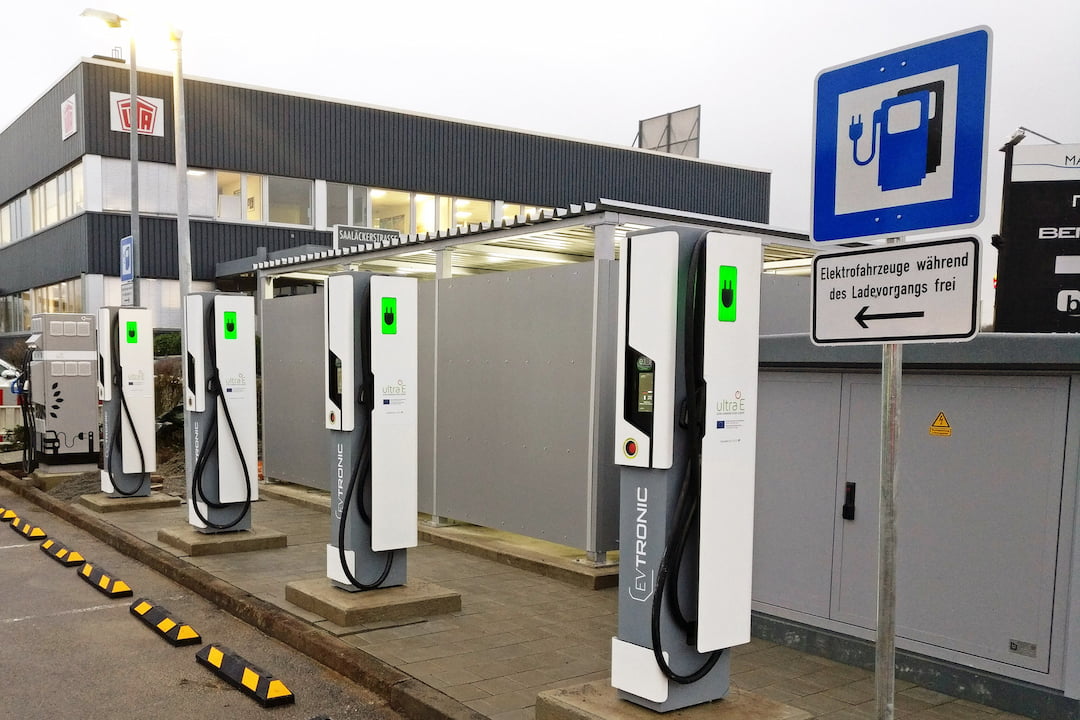
Setting a target is easy. Hitting 46% demands a build-out of grids, heat pumps, charging networks and industrial capacity at a pace Europe has never managed. Permitting delays, grid bottlenecks and a shortage of skilled installers all stand in the way.

The economics still point in one direction. Electrifying heating and transport removes exposure to imported fuel and, over time, lowers running costs. But the upfront bill lands on households and firms first, and public patience for green spending has thinned since the energy-price shocks earlier in the decade.

There is also a competitiveness argument the Commission leans on heavily. Electricity in Europe costs more than in the United States or China, and high power prices deter the very factories the plan hopes to electrify. Cheaper, cleaner electrons are meant to fix both problems at once, yet that only works if the grid delivers them affordably.

The plan’s defenders say the pairing is deliberate. Electrification gives industry a reason to invest, and the softened ETS gives it the room to do so without fleeing abroad. Critics respond that Europe risks paying twice, subsidising decarbonisation while it weakens the price signal that would drive the same shift for free.

The next battle moves to the European Parliament and member states, where energy-intensive economies will push to loosen the terms and green-leaning capitals will fight to hold the line. The 46% figure is only indicative, which means the real target will reflect how hard each camp pulls.

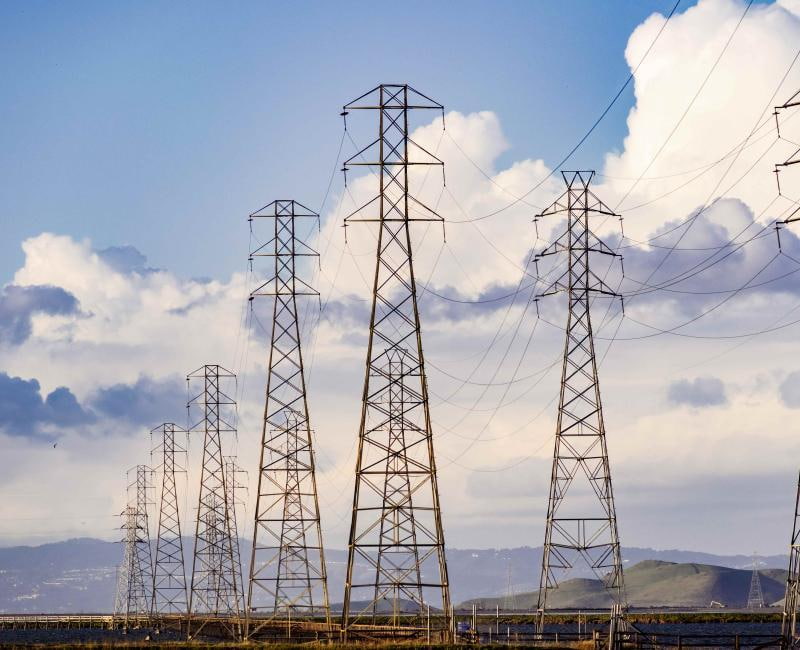
For now, Brussels has placed a large bet that electrification and industrial survival can advance together. The wiring, quite literally, will decide whether it pays off.