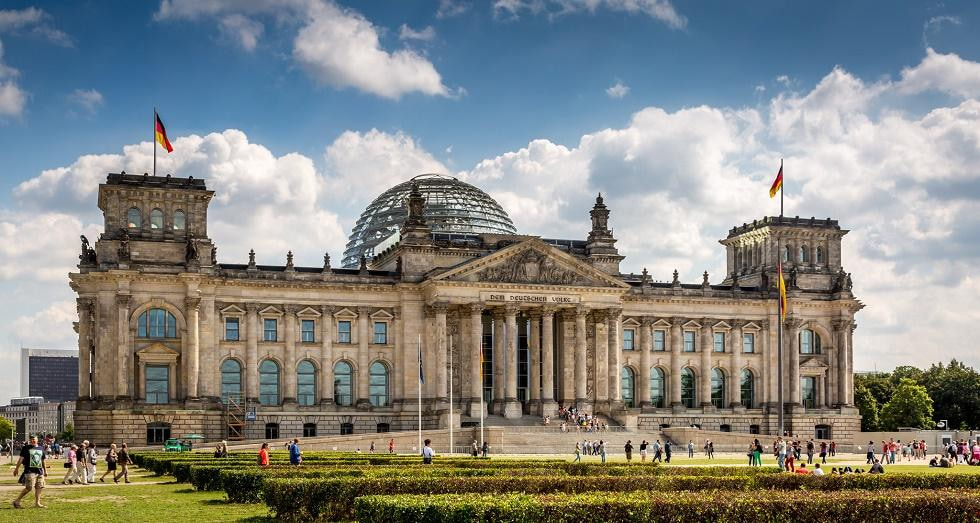
Berlin: Germany wants to be the first European Union country to ratify the Mercosur partnership agreement, and the haste tells its own story. Berlin announced in early July 2026 that it would complete ratification within a month, moving to lock in a deal that its own farmers and several neighbouring governments still resent.
The agreement already applies in part. The two blocs signed the comprehensive partnership after a quarter-century of negotiation, and its trade provisions began provisionally on 1 May 2026. On the South American side the process is finished: all four founding Mercosur members ratified by March, with Paraguay the last to sign off on 17 March. Europe is the laggard now.
A vote that exposed the split
The Council cleared the agreement on 9 January 2026 by a qualified majority of 21 states to five. Austria, France, Hungary, Ireland, and Poland voted against, and Belgium abstained. That tally shows how narrow the political coalition behind the deal really is. The opposition clusters around farm lobbies that fear Brazilian beef and Argentine grain, and around environmental groups who argue the pact rewards Amazon deforestation.
Germany’s motive is the mirror image. Its carmakers and machinery exporters have watched tariffs and Chinese competition erode their South American market share, and Mercosur cuts duties on precisely the goods they sell. For Berlin, ratifying first signals to industry that the government will fight for open markets even as protectionism spreads.
The court that could freeze everything
The real drama sits in Luxembourg. On 21 January 2026 the European Parliament voted, by a razor-thin 334 to 324, to ask the European Court of Justice whether the agreement may apply before every member state ratifies it, and whether its terms unduly restrict the Union’s power to set environmental and consumer-health rules. A ruling against the Commission could delay the deal by as much as two years.
That referral sharpens the stakes behind Germany’s sprint. By ratifying now, Berlin adds political weight to the argument that the deal enjoys broad support and should proceed. Opponents counter that provisional application without unanimous ratification stretches the EU’s treaties past their limit, especially on a pact that touches food safety and climate policy so directly.
The tension is structural. The Commission split the agreement into an interim trade deal it can push through by qualified majority and a broader association pact that needs every national parliament. Critics call that a workaround designed to bypass domestic vetoes. Supporters call it the only way to conclude anything in a Union of twenty-seven.
Mercosur is not merely a beef-and-cars bargain. It tests whether Europe can still sign large trade agreements at all in an age of agricultural anxiety and green conditionality. If Germany ratifies cleanly and the court declines to block provisional application, Brussels gains a template for pending deals with India and Indonesia. If the judges side with Parliament, every future agreement inherits a new veto point.
For now Berlin bets that momentum beats caution. Whether that bet pays off depends less on German lawmakers than on a handful of judges who will decide how far the Union may run ahead of its own members.