August 9, 2026
LATEST
New EU Gas Market Rules Take Effect With Consumer SafeguardsDeforestation Regulation Holds Its December Deadline Despite CutsDigital Omnibus Delays Europe’s High-Risk AI Deadline to 2027Europe’s Schools Confront a Widening Basic Skills GapRule of Law Report Finds Progress but Trust Still LagsIRIS2 Gains 66 Satellites as Brussels Signs the Rollout DealNature Restoration Plans Come Due as Member States Race a DeadlineECB Rates Hold at 2.25 Percent as Frankfurt Waits on the DataEU Budget Talks Turn to Cohesion as Ireland Takes OverWildfire Response Stretches Europe’s Emergency Fleet ThinCan Europe’s Quantum Plan Match Its Big Ambitions?Armenia Edges West as Moscow’s Grip Slips AwayEurope Inherits the World’s Aid Bill It Cannot Fully PayAir Passenger Rights Get Their First Overhaul in Two DecadesErasmus Opens a 5 Billion Euro Round for Skills and MobilityCeuta Crisis Pushes the EU Toward Faster Migrant ReturnsBulky Parcels Face a Packaging Crackdown From August 12Can Europe Build Its Drone Wall Before 2030 Arrives?Indonesia’s Trade Deal With Europe Nears Its Final SignatureEurope Leans on Beijing to Keep Climate Talks Alive Before AntalyaNew EU Gas Market Rules Take Effect With Consumer SafeguardsDeforestation Regulation Holds Its December Deadline Despite CutsDigital Omnibus Delays Europe’s High-Risk AI Deadline to 2027Europe’s Schools Confront a Widening Basic Skills GapRule of Law Report Finds Progress but Trust Still LagsIRIS2 Gains 66 Satellites as Brussels Signs the Rollout DealNature Restoration Plans Come Due as Member States Race a DeadlineECB Rates Hold at 2.25 Percent as Frankfurt Waits on the DataEU Budget Talks Turn to Cohesion as Ireland Takes OverWildfire Response Stretches Europe’s Emergency Fleet ThinCan Europe’s Quantum Plan Match Its Big Ambitions?Armenia Edges West as Moscow’s Grip Slips AwayEurope Inherits the World’s Aid Bill It Cannot Fully PayAir Passenger Rights Get Their First Overhaul in Two DecadesErasmus Opens a 5 Billion Euro Round for Skills and MobilityCeuta Crisis Pushes the EU Toward Faster Migrant ReturnsBulky Parcels Face a Packaging Crackdown From August 12Can Europe Build Its Drone Wall Before 2030 Arrives?Indonesia’s Trade Deal With Europe Nears Its Final SignatureEurope Leans on Beijing to Keep Climate Talks Alive Before Antalya
August 9, 2026
LATEST
New EU Gas Market Rules Take Effect With Consumer SafeguardsDeforestation Regulation Holds Its December Deadline Despite CutsDigital Omnibus Delays Europe’s High-Risk AI Deadline to 2027Europe’s Schools Confront a Widening Basic Skills GapRule of Law Report Finds Progress but Trust Still LagsIRIS2 Gains 66 Satellites as Brussels Signs the Rollout DealNature Restoration Plans Come Due as Member States Race a DeadlineECB Rates Hold at 2.25 Percent as Frankfurt Waits on the DataEU Budget Talks Turn to Cohesion as Ireland Takes OverWildfire Response Stretches Europe’s Emergency Fleet ThinCan Europe’s Quantum Plan Match Its Big Ambitions?Armenia Edges West as Moscow’s Grip Slips AwayEurope Inherits the World’s Aid Bill It Cannot Fully PayAir Passenger Rights Get Their First Overhaul in Two DecadesErasmus Opens a 5 Billion Euro Round for Skills and MobilityCeuta Crisis Pushes the EU Toward Faster Migrant ReturnsBulky Parcels Face a Packaging Crackdown From August 12Can Europe Build Its Drone Wall Before 2030 Arrives?Indonesia’s Trade Deal With Europe Nears Its Final SignatureEurope Leans on Beijing to Keep Climate Talks Alive Before AntalyaNew EU Gas Market Rules Take Effect With Consumer SafeguardsDeforestation Regulation Holds Its December Deadline Despite CutsDigital Omnibus Delays Europe’s High-Risk AI Deadline to 2027Europe’s Schools Confront a Widening Basic Skills GapRule of Law Report Finds Progress but Trust Still LagsIRIS2 Gains 66 Satellites as Brussels Signs the Rollout DealNature Restoration Plans Come Due as Member States Race a DeadlineECB Rates Hold at 2.25 Percent as Frankfurt Waits on the DataEU Budget Talks Turn to Cohesion as Ireland Takes OverWildfire Response Stretches Europe’s Emergency Fleet ThinCan Europe’s Quantum Plan Match Its Big Ambitions?Armenia Edges West as Moscow’s Grip Slips AwayEurope Inherits the World’s Aid Bill It Cannot Fully PayAir Passenger Rights Get Their First Overhaul in Two DecadesErasmus Opens a 5 Billion Euro Round for Skills and MobilityCeuta Crisis Pushes the EU Toward Faster Migrant ReturnsBulky Parcels Face a Packaging Crackdown From August 12Can Europe Build Its Drone Wall Before 2030 Arrives?Indonesia’s Trade Deal With Europe Nears Its Final SignatureEurope Leans on Beijing to Keep Climate Talks Alive Before Antalya

Deep-Tech Founders Chase Europe’s Biggest Innovation Fund Yet

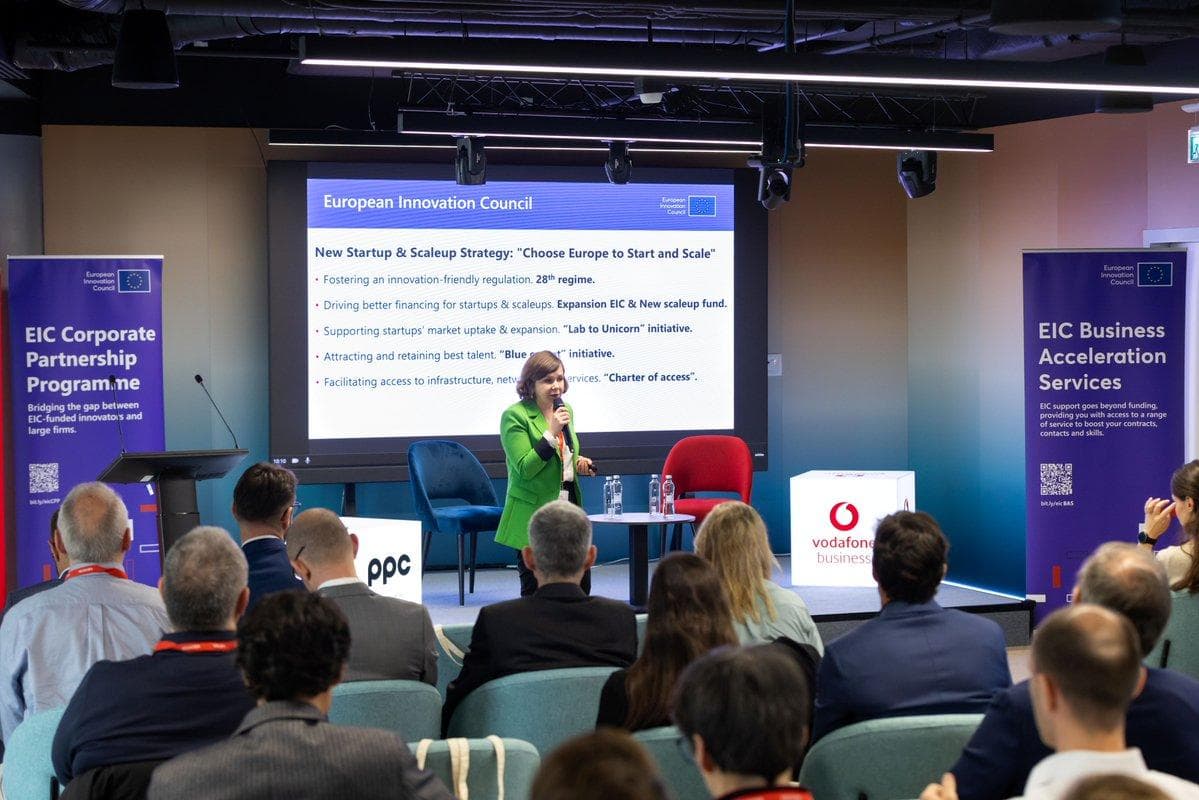
Eindhoven: In this Dutch stronghold of hardware start-ups, founders chasing breakthroughs in chips, batteries and quantum devices have a fresh reason to court Brussels. The European Innovation Council has opened its 2026 work programme, unlocking more than 1.4 billion euro for the kind of deep tech that private investors often find too slow and too risky.

The programme targets the gap that has haunted European science for decades. The continent produces world-class research yet watches many of its most promising ideas cross the Atlantic in search of capital patient enough to fund years of development before any product ships.

The EIC’s 2026 work programme splits its firepower across research and scale-up. Its Pathfinder strand allocates 262 million euro to multidisciplinary teams pursuing visionary science, with individual grants reaching up to four million euro for projects that could open entirely new technology paths.

Other strands push companies further along the road to market. The Council blends grants with equity-style investment to help start-ups build factories, hire engineers and reach the scale where commercial investors finally step in. The design tries to carry a technology from the laboratory bench to the production line without losing it midway.

The timing matters. European policymakers have spent the past year fretting over competitiveness, warning that the bloc risks falling behind the United States and China in the technologies that will define the next economy. Semiconductors, clean energy hardware and quantum computing sit at the centre of that anxiety.

The research community has welcomed the money while pressing for speed. The European Research Council, which funds fundamental science, recently handed proof-of-concept grants worth 27.3 million euro to 182 researchers exploring the commercial potential of their discoveries, each award set at 150,000 euro. Its larger Advanced Grants competition opens in late August.

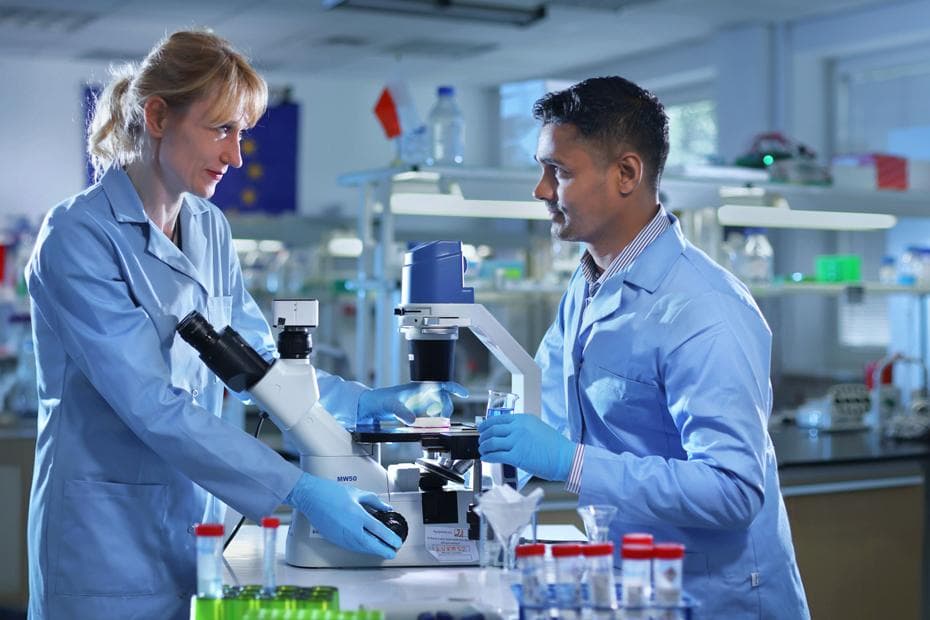
Together the two councils sketch a pipeline. The research council backs the raw discovery, the proof-of-concept grants test whether it can leave the lab, and the innovation council funds the company that tries to build a business around it. Officials hope the chain keeps more European breakthroughs on European soil.

Founders remain wary of the bureaucracy. Deep-tech teams complain that grant timelines move slowly against the clock of a start-up burning cash, and that reporting duties can swallow the time of small firms with few staff. The Council has promised faster decisions, though founders will judge that promise by results.

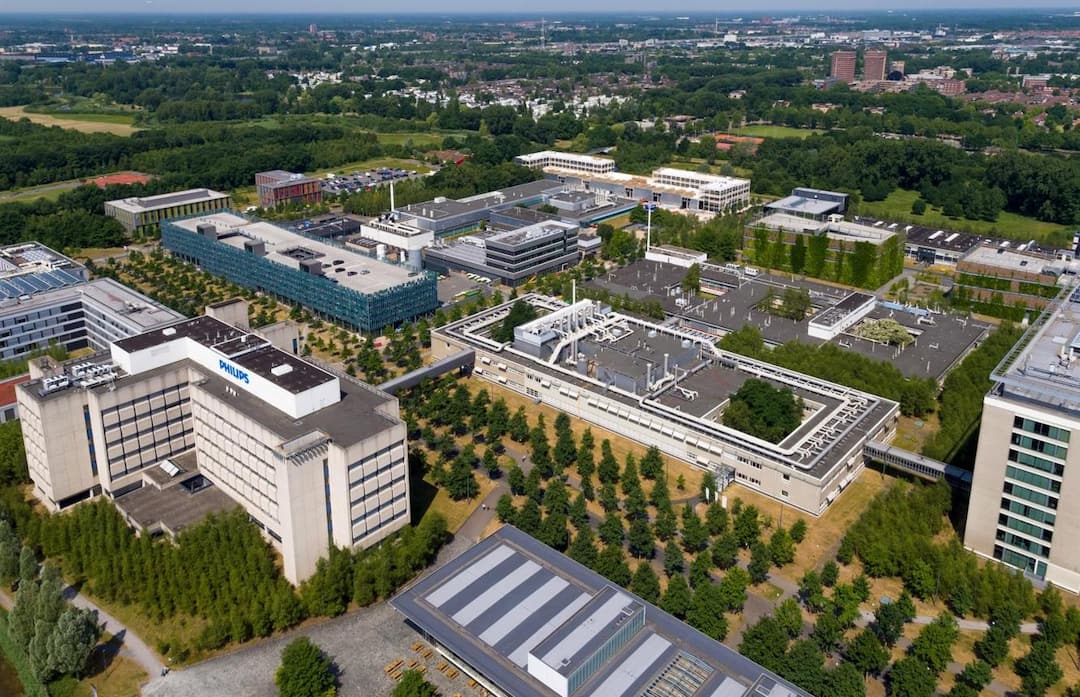
Cities such as Eindhoven have staked their futures on the outcome. Its cluster of chip-equipment suppliers and research institutes depends on a steady flow of capital into hard, slow, capital-hungry technology, exactly the segment the EIC claims to serve.

For now, the 2026 programme puts real money on the table. Whether it keeps Europe’s best ideas at home will depend less on the size of the budget than on how quickly the cash reaches the founders racing to build the future.