Alicante: The European Anti-Fraud Office has pulled the European Union Intellectual Property Office into a tighter alliance against counterfeit trade, and the pairing shows how firmly the bloc now treats fakes as a threat to public money and public safety at once.
Investigators sealed the arrangement at the start of July. It lets the two bodies share intelligence more freely, line up their databases and coordinate cases that cut across customs fraud, misused subsidies and dangerous knock-off products. Officials describe the goal plainly: catch the criminals earlier and follow the money further.
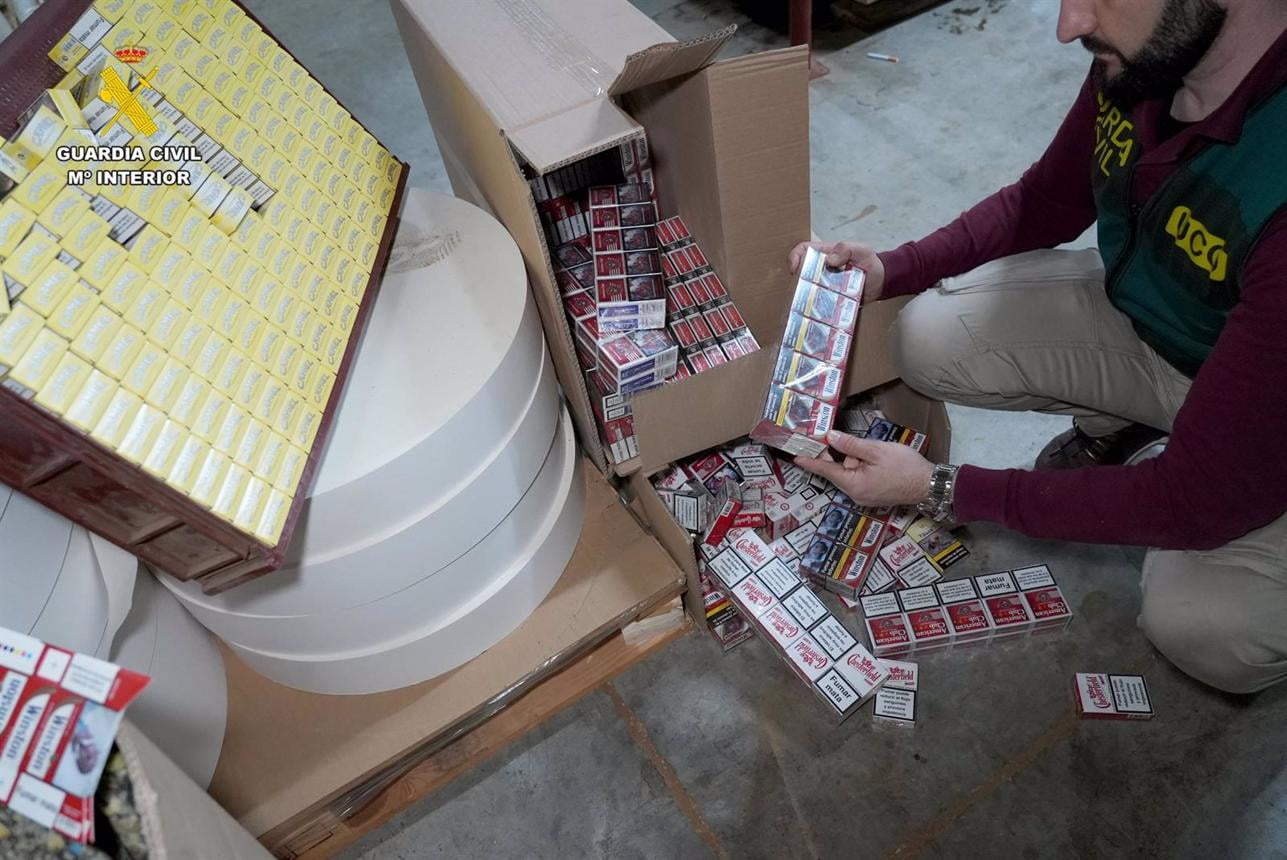
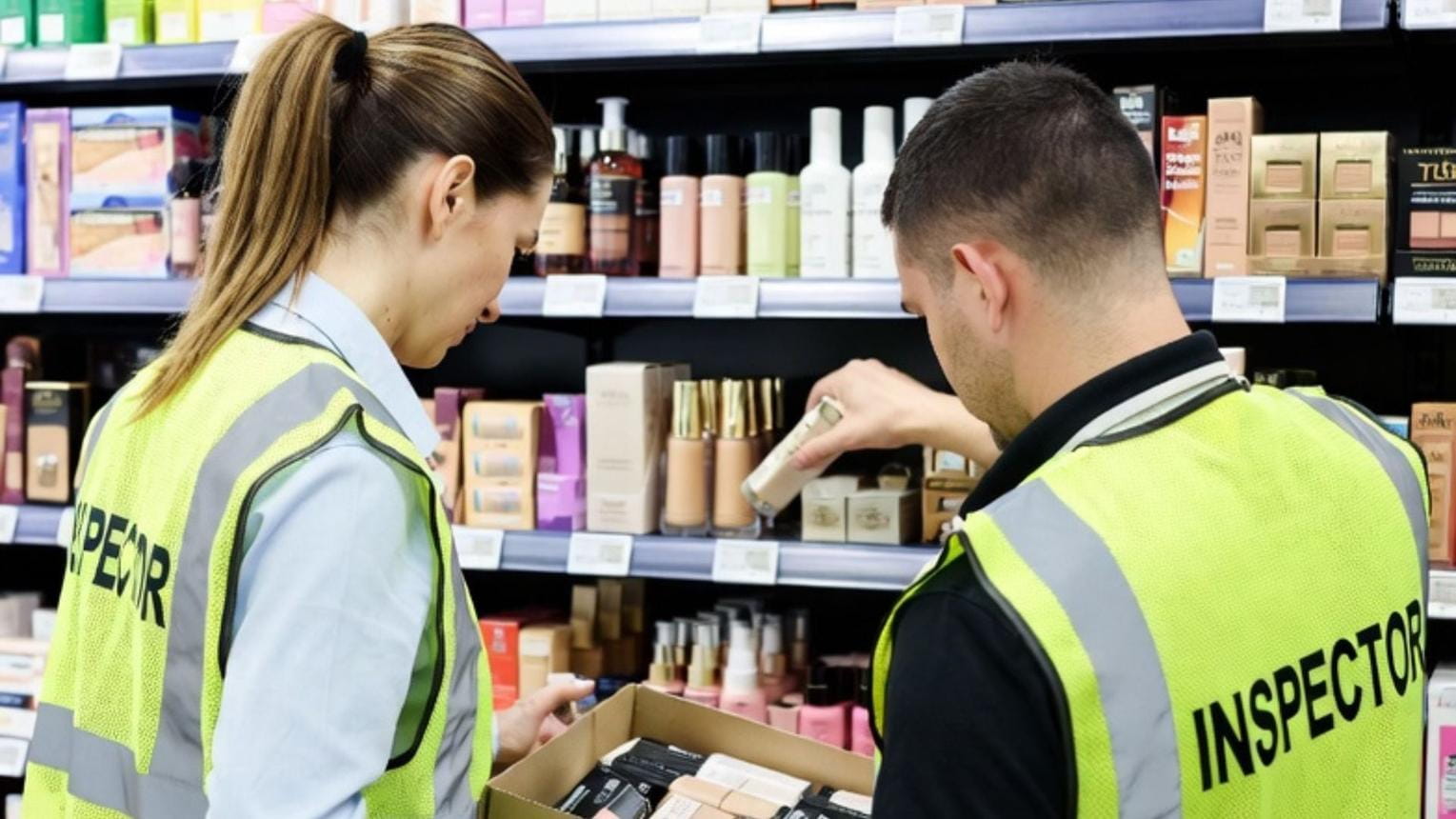
The move lands at a moment when counterfeit trade no longer means only luxury handbags. Investigators this year flagged fake condoms, spare car parts and medicines that put buyers at direct risk. Each fake also robs legitimate firms of sales and strips tax revenue from national budgets, which is where the anti-fraud angle bites.
OLAF brings the power to trace how criminal proceeds move through EU programmes, while the intellectual-property office contributes deep data on brands, filings and seizures. Together they can map a supply line from a factory gate to a warehouse to an online storefront, then hand national prosecutors a case that already fits together.
The office set out the logic in its latest annual reckoning, which recommended the recovery of hundreds of millions of euro tied to fraud and irregularities. Counterfeiting sits inside that total because fakes so often travel with false invoices, smuggled shipments and laundered payments.
Customs officers will feel the change first. Ports and parcel hubs handle the bulk of seizures, and a shared alert system should let them stop suspect containers before goods scatter across the single market. The two agencies also plan joint training so frontline staff can spot the paperwork tricks that hide a counterfeit trade route. Analysts note that organised networks now shift fakes through the same fast-parcel channels as legitimate e-commerce, which makes early data-sharing between the two agencies the only realistic way to keep pace.
Critics of past efforts argue that enforcement stayed too fragmented, with each agency guarding its own files. This partnership answers that complaint directly, though its success will depend on whether member states feed real cases into the shared pipeline rather than treating it as a formality.
For consumers, the promised payoff is simpler shelves and safer parcels. For honest manufacturers, it is a fairer market. The office lays out its wider mandate on its public portal, and the coming months will test whether the two watchdogs can turn a signed agreement into seizures that stick.