Brussels: The European Commission has quietly dropped its target of launching the new ETIAS travel permit before the end of 2026, pushing the long-delayed border scheme toward a 2027 start and leaving millions of visa-exempt visitors waiting for clarity.
ETIAS, the European Travel Information and Authorisation System, will require travellers from the United States, the United Kingdom, Canada, Australia and around 56 other visa-free countries to obtain an online authorisation and pay a 20-euro fee before entering the Schengen area. The Commission had promised a fourth-quarter rollout in 2026, most likely in October or November, followed by a six-month grace period.
In mid-July, officials removed the Q4 2026 launch date from the official ETIAS portal. eu-LISA, the EU agency building the system, concluded internally that a 2026 start was no longer feasible, citing gaps in national infrastructure and staffing at several border crossings. Home Affairs Commissioner Magnus Brunner acknowledged the setback and pointed to uneven readiness across member states.
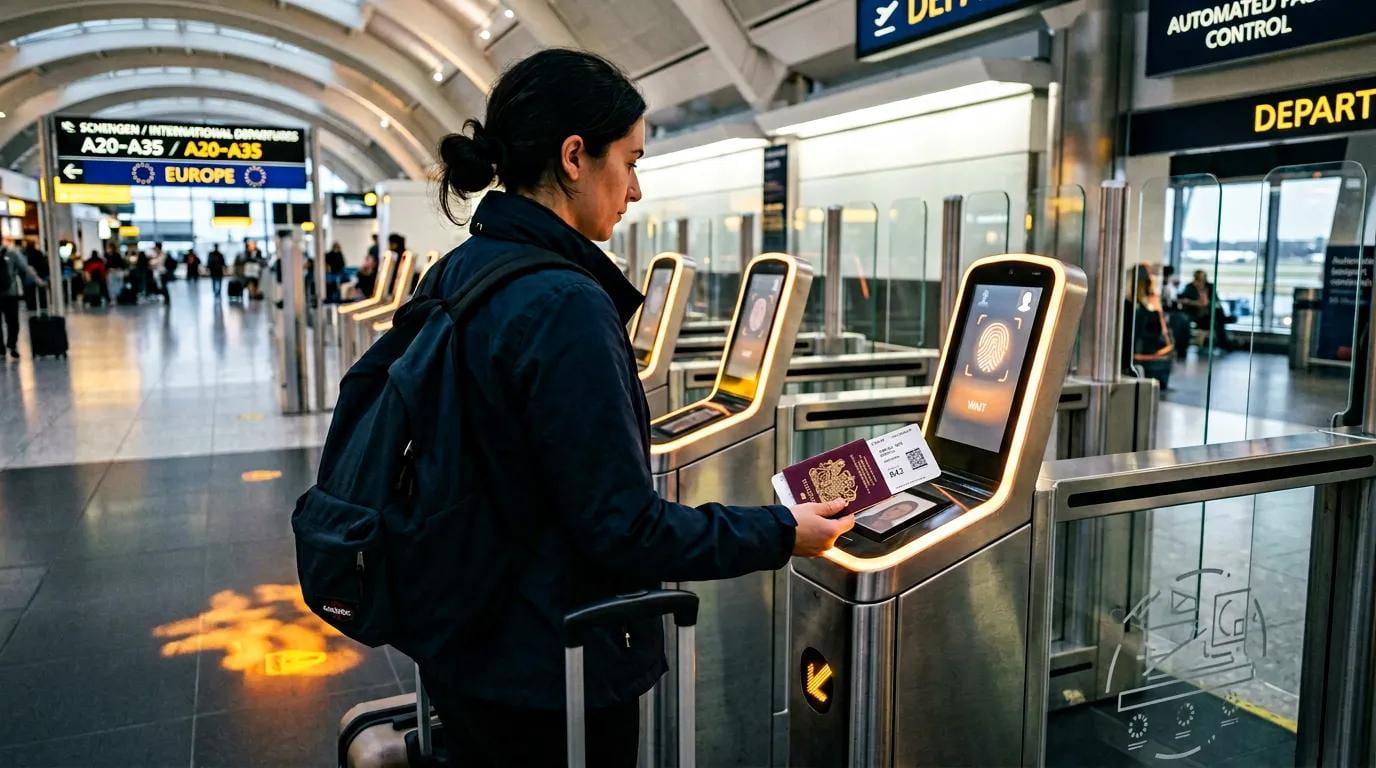
The delay ties ETIAS to the wider rollout of the Entry/Exit System, the biometric register that logs every non-EU traveller crossing an external border. Brussels wants the two systems to work in tandem, and problems with one inevitably ripple into the other. Border agencies have warned for months that airports, ferry terminals and land crossings need more staff and tested equipment before either scheme can run at scale.
eu-LISA will present a revised timeline after its management board meets in September. Most officials now expect the ETIAS launch to land in 2027, with mandatory enforcement following roughly six months later. Until then, visa-exempt travellers can continue to enter the Schengen zone under current rules, without applying in advance.
The Commission frames ETIAS as part of a five-year migration strategy presented in January, which pairs tighter external controls with faster asylum procedures and a push to attract skilled workers. It has proposed a major funding increase for borders and migration in the next budget, arguing that stronger screening at the frontier underpins free movement inside the bloc. The plan sits in the Commission’s own announcement on the new migration and visa strategies.
Critics say the repeated slippage undermines confidence in the EU’s ability to deliver large digital projects on time. ETIAS was first floated years ago and has missed several launch windows. Travel groups worry that a rushed introduction could snarl airports during peak season, while security officials counter that launching an untested system would be worse than waiting.
For now, the message from Brussels is patience. The eu-LISA board will weigh national readiness against political pressure to finish a project that has already run long, as the agency itself set out when it backed a funding increase for stronger borders. Travellers heading to Europe in 2026 will not need an ETIAS authorisation, but the requirement is coming, and the only real question left is exactly when the ETIAS launch finally happens.