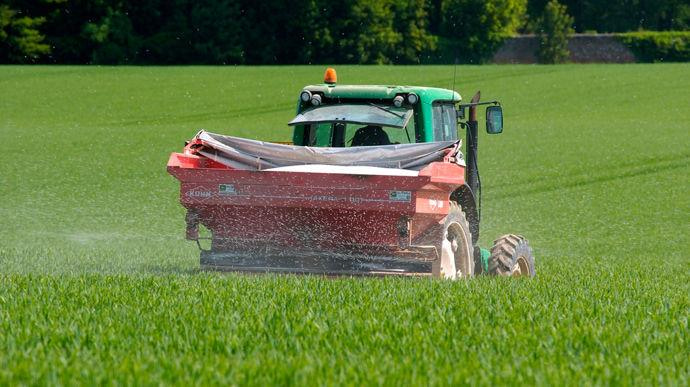
Luxembourg: EU governments have given final approval to emergency fertiliser aid, clearing the way for member states to hand cash directly to farmers squeezed by soaring input costs and a fragile food-security outlook.
The Council of the EU adopted the regulation on 13 July, endorsing a proposal the European Commission tabled in June as part of its response to the Middle East crisis and the knock-on effect on energy and fertiliser markets. The fertiliser aid lets national capitals redirect existing farm funds and pay farmers in advance to ease short-term cash-flow pressure.
Under the new rules, member states can amend their Common Agricultural Policy strategic plans and the horizontal regulation to channel urgent, targeted support to the growers hit hardest by rising costs. Governments may also bring forward direct payments, giving farmers liquidity ahead of the usual schedule rather than months later.
The measure sits inside a broader package worth several hundred million euros. Brussels is topping up the agricultural reserve with an extra 300 million euros from the 2026 budget and has floated around 540 million euros in total relief. The Commission set out the reasoning in its proposal for farm relief, framing the spending as insurance against a supply shock.
Fertiliser prices have climbed as natural gas costs, the main driver of nitrogen production, stayed volatile through 2026. Many European farmers depend on imported inputs, and ministers have warned that a sustained squeeze could cut yields and push up food prices across the single market. The Council laid out the detail in its statement on the fertiliser measures.
The package looks beyond the immediate crisis. It aims to strengthen domestic fertiliser production, improve supply resilience and speed the uptake of bio-based, low-carbon and circular fertilisers that lean less on fossil gas. Officials argue that weaning the sector off volatile imports is the only durable fix.
Farm groups broadly welcomed the money but warned it treats symptoms rather than causes. They want a longer-term plan for affordable inputs and clearer rules on how quickly national governments can pay out. Environmental campaigners, meanwhile, pressed the EU to tie any relief to lower emissions and more efficient nutrient use, rather than simply subsidising the status quo.
For farmers facing another expensive planting season, the timing matters. With final approval secured, member states can now move quickly, and the coming months will show whether the fertiliser aid reaches fields fast enough to steady both incomes and Europe’s food supply.