August 9, 2026
LATEST
New EU Gas Market Rules Take Effect With Consumer SafeguardsDeforestation Regulation Holds Its December Deadline Despite CutsDigital Omnibus Delays Europe’s High-Risk AI Deadline to 2027Europe’s Schools Confront a Widening Basic Skills GapRule of Law Report Finds Progress but Trust Still LagsIRIS2 Gains 66 Satellites as Brussels Signs the Rollout DealNature Restoration Plans Come Due as Member States Race a DeadlineECB Rates Hold at 2.25 Percent as Frankfurt Waits on the DataEU Budget Talks Turn to Cohesion as Ireland Takes OverWildfire Response Stretches Europe’s Emergency Fleet ThinCan Europe’s Quantum Plan Match Its Big Ambitions?Armenia Edges West as Moscow’s Grip Slips AwayEurope Inherits the World’s Aid Bill It Cannot Fully PayAir Passenger Rights Get Their First Overhaul in Two DecadesErasmus Opens a 5 Billion Euro Round for Skills and MobilityCeuta Crisis Pushes the EU Toward Faster Migrant ReturnsBulky Parcels Face a Packaging Crackdown From August 12Can Europe Build Its Drone Wall Before 2030 Arrives?Indonesia’s Trade Deal With Europe Nears Its Final SignatureEurope Leans on Beijing to Keep Climate Talks Alive Before AntalyaNew EU Gas Market Rules Take Effect With Consumer SafeguardsDeforestation Regulation Holds Its December Deadline Despite CutsDigital Omnibus Delays Europe’s High-Risk AI Deadline to 2027Europe’s Schools Confront a Widening Basic Skills GapRule of Law Report Finds Progress but Trust Still LagsIRIS2 Gains 66 Satellites as Brussels Signs the Rollout DealNature Restoration Plans Come Due as Member States Race a DeadlineECB Rates Hold at 2.25 Percent as Frankfurt Waits on the DataEU Budget Talks Turn to Cohesion as Ireland Takes OverWildfire Response Stretches Europe’s Emergency Fleet ThinCan Europe’s Quantum Plan Match Its Big Ambitions?Armenia Edges West as Moscow’s Grip Slips AwayEurope Inherits the World’s Aid Bill It Cannot Fully PayAir Passenger Rights Get Their First Overhaul in Two DecadesErasmus Opens a 5 Billion Euro Round for Skills and MobilityCeuta Crisis Pushes the EU Toward Faster Migrant ReturnsBulky Parcels Face a Packaging Crackdown From August 12Can Europe Build Its Drone Wall Before 2030 Arrives?Indonesia’s Trade Deal With Europe Nears Its Final SignatureEurope Leans on Beijing to Keep Climate Talks Alive Before Antalya
August 9, 2026
LATEST
New EU Gas Market Rules Take Effect With Consumer SafeguardsDeforestation Regulation Holds Its December Deadline Despite CutsDigital Omnibus Delays Europe’s High-Risk AI Deadline to 2027Europe’s Schools Confront a Widening Basic Skills GapRule of Law Report Finds Progress but Trust Still LagsIRIS2 Gains 66 Satellites as Brussels Signs the Rollout DealNature Restoration Plans Come Due as Member States Race a DeadlineECB Rates Hold at 2.25 Percent as Frankfurt Waits on the DataEU Budget Talks Turn to Cohesion as Ireland Takes OverWildfire Response Stretches Europe’s Emergency Fleet ThinCan Europe’s Quantum Plan Match Its Big Ambitions?Armenia Edges West as Moscow’s Grip Slips AwayEurope Inherits the World’s Aid Bill It Cannot Fully PayAir Passenger Rights Get Their First Overhaul in Two DecadesErasmus Opens a 5 Billion Euro Round for Skills and MobilityCeuta Crisis Pushes the EU Toward Faster Migrant ReturnsBulky Parcels Face a Packaging Crackdown From August 12Can Europe Build Its Drone Wall Before 2030 Arrives?Indonesia’s Trade Deal With Europe Nears Its Final SignatureEurope Leans on Beijing to Keep Climate Talks Alive Before AntalyaNew EU Gas Market Rules Take Effect With Consumer SafeguardsDeforestation Regulation Holds Its December Deadline Despite CutsDigital Omnibus Delays Europe’s High-Risk AI Deadline to 2027Europe’s Schools Confront a Widening Basic Skills GapRule of Law Report Finds Progress but Trust Still LagsIRIS2 Gains 66 Satellites as Brussels Signs the Rollout DealNature Restoration Plans Come Due as Member States Race a DeadlineECB Rates Hold at 2.25 Percent as Frankfurt Waits on the DataEU Budget Talks Turn to Cohesion as Ireland Takes OverWildfire Response Stretches Europe’s Emergency Fleet ThinCan Europe’s Quantum Plan Match Its Big Ambitions?Armenia Edges West as Moscow’s Grip Slips AwayEurope Inherits the World’s Aid Bill It Cannot Fully PayAir Passenger Rights Get Their First Overhaul in Two DecadesErasmus Opens a 5 Billion Euro Round for Skills and MobilityCeuta Crisis Pushes the EU Toward Faster Migrant ReturnsBulky Parcels Face a Packaging Crackdown From August 12Can Europe Build Its Drone Wall Before 2030 Arrives?Indonesia’s Trade Deal With Europe Nears Its Final SignatureEurope Leans on Beijing to Keep Climate Talks Alive Before Antalya

Refillable Eye Implant Heads a Fresh Batch of EU Approvals

Basel: A tiny refillable eye implant stands out among a dozen medicines that Europe’s regulator has just cleared for the market, promising to spare patients with failing sight from a relentless cycle of injections.

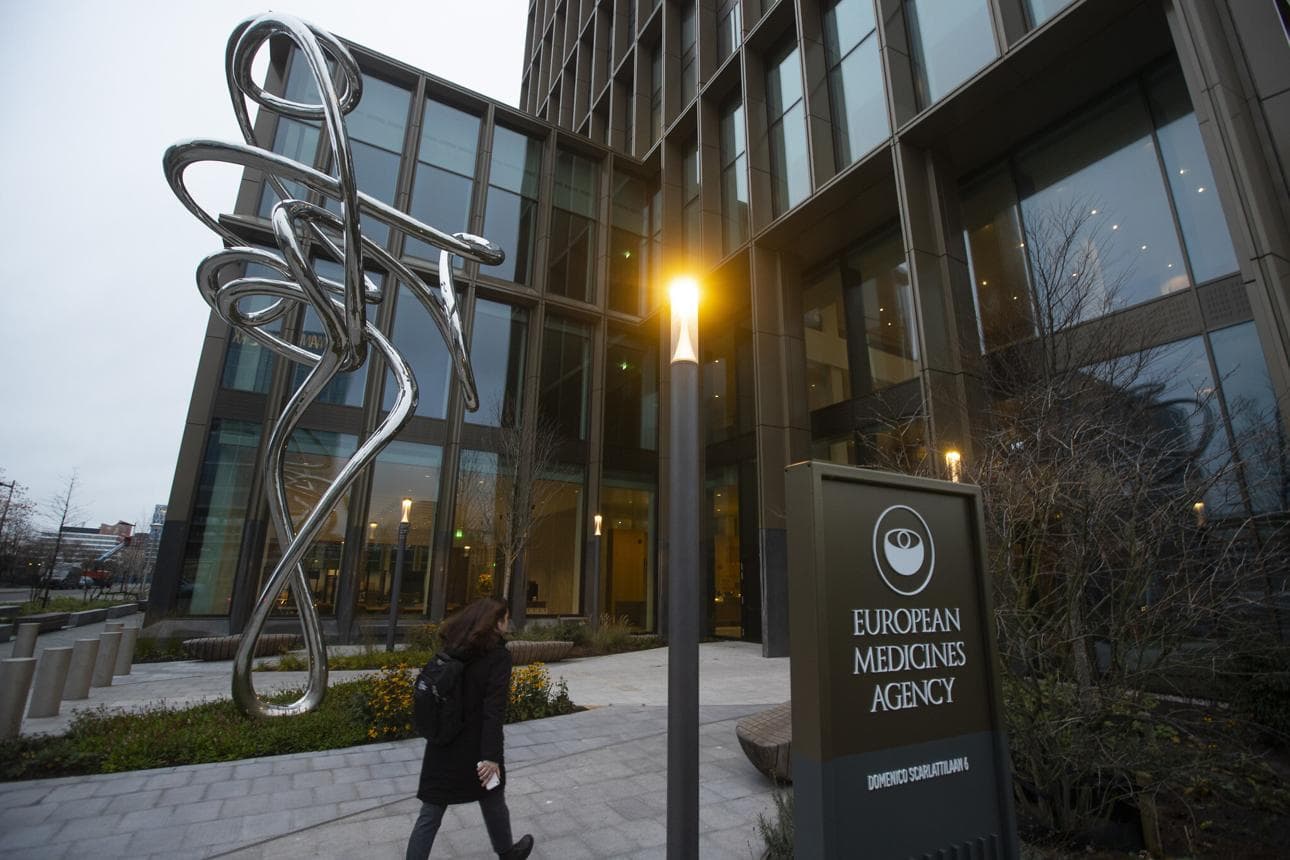
Meeting from 20 to 23 July, the human medicines committee at the European Medicines Agency recommended twelve treatments for marketing authorisation, a busy session that touched cancer, heart disease and rare disorders alongside the eye.

The implant, sold as Susvimo and built around the drug rabinizumab, treats adults with neovascular age-related macular degeneration, the wet form of a condition that gradually steals central vision. Doctors place the device in the eye once, then top it up periodically rather than injecting the patient every few weeks. It is the first product of its kind the committee has endorsed in the Union.

Basel takes a particular interest, because the city’s pharmaceutical giants have poured research money into slow-release technology that keeps a drug working long after a single procedure. A device that cuts clinic visits appeals to hard-pressed health systems as much as to patients weary of needles.

Heart specialists gained new tools as well. The committee backed three medicines aimed at lowering stubbornly high cholesterol in adults with primary hypercholesterolaemia or mixed dyslipidaemia, marketed as Lyrokaul, Evlarco and Ubeslo. Each offers an alternative for people whose levels resist the statins that doctors reach for first.

Beyond the new arrivals, the committee widened the use of eight medicines already on European shelves, including the cancer therapies Enhertu and Trodelvy and the anti-inflammatory drug Rinvoq. Expanding an approved medicine to a fresh group of patients often reaches people faster than launching an entirely new product, since prescribers already know the treatment.

The recommendations now travel to the European Commission, which issues the formal authorisations that let a medicine sell across all member states. That step usually follows within two months, after which national health services decide how to pay for each treatment, a stage where prices and negotiations can still slow a drug’s path to patients.

The committee’s verdict rests on evidence of benefit weighed against risk, and its scientists comb through trial data before granting an opinion. For rabinizumab, they judged that a durable implant could hold vision steady while easing the burden of frequent hospital trips, a trade-off that matters enormously to older patients who struggle to attend appointments.

Vision loss from macular degeneration climbs as Europe ages, and clinics already strain to deliver the injections that keep the disease in check. A refill every several months, rather than a jab every month, could free scarce specialist time for the growing queue of patients behind the door.

None of the endorsements guarantees quick access. Reimbursement talks in each capital determine whether a promising therapy reaches ordinary patients or lingers as an option only the well-insured can afford. Still, the July session leaves European medicine cabinets meaningfully fuller than they were a month ago.