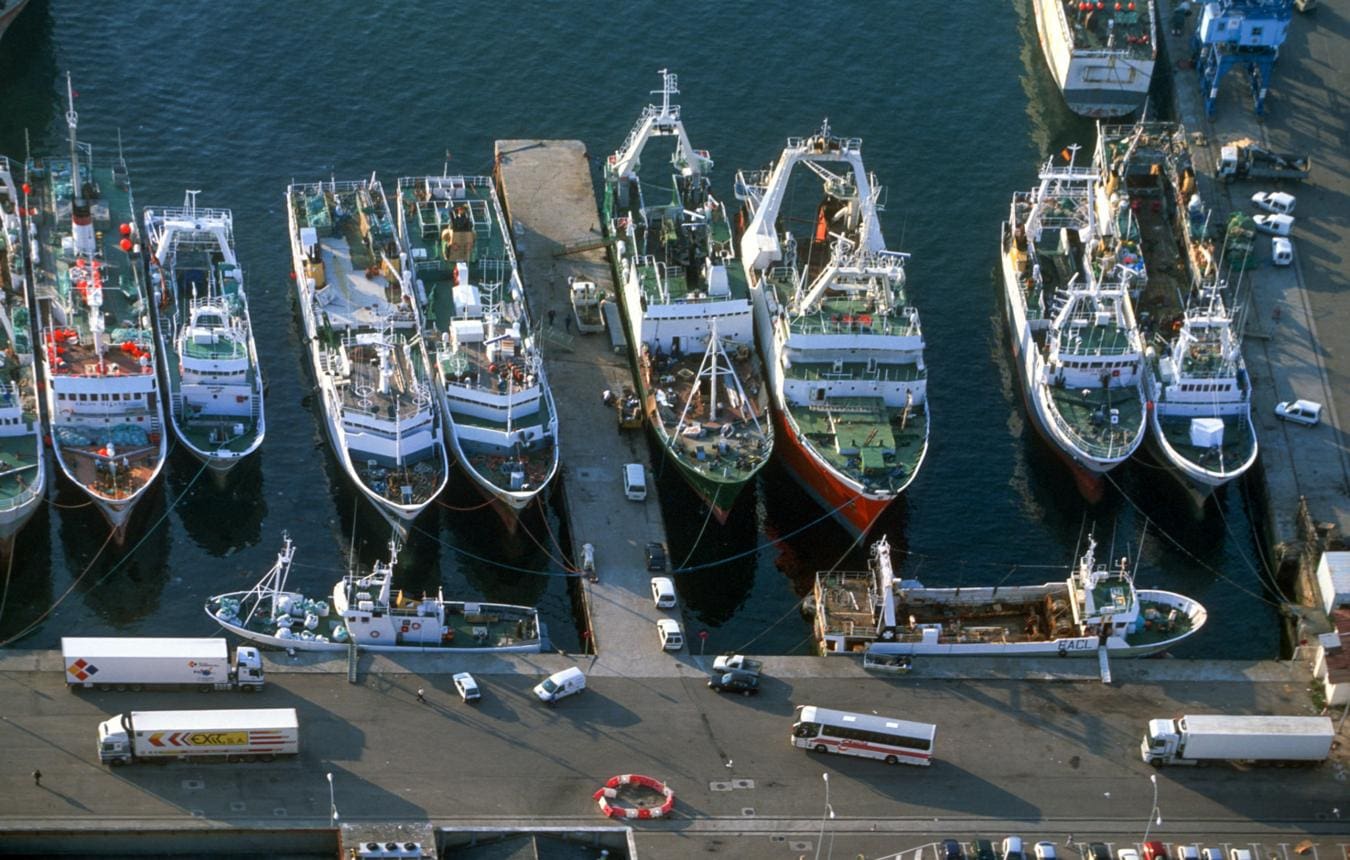
Vigo: In one of Europe’s busiest fishing ports, where trawlers land hake, mackerel and monkfish before dawn, crews are already bracing for next year’s fishing quotas. The European Commission has opened the consultation that will shape catch limits for the Atlantic and North Sea in 2027, and the early signals point to another year of hard choices.
The Commission has invited member states, fishermen, scientists and environmental groups to submit their views by the end of August. Their feedback will feed into formal proposals later in the year, once advisory bodies deliver the scientific assessments that underpin every quota decision.
The backdrop is mixed. Officials report that sustainable fishing has improved across much of the bloc, with more stocks caught within safe limits than a decade ago. Yet they warn that biomass and recruitment remain worryingly low for several commercially important species, leaving little room for generosity.
For Vigo, the stakes are immediate. Galicia’s fleet ranks among Europe’s largest, and its processors, exporters and shipyards employ thousands who depend on stable catches. Every cut to a total allowable catch ripples through the local economy, and every increase draws scrutiny from conservationists.
This year’s Baltic decisions offered a preview of the tensions. Ministers raised limits for some stocks, such as sprat and central herring, while cutting others sharply, including salmon, and the Commission complained that parts of the deal did too little to rebuild fragile populations. Similar arguments now loom over the Atlantic.
The wider frame is the Commission’s Ocean Pact, a strategy that ties fisheries management to the health of Europe’s seas. It treats overfishing, pollution and warming waters as linked threats, and it presses governments to think beyond the annual haggle over numbers toward the long-term recovery of stocks.
Fishermen respond with caution. Many accept that healthy stocks are the foundation of their livelihoods, yet they bristle at cuts they see as blunt, and they want scientific advice tempered by the reality of mixed fisheries, where boats cannot easily avoid one species while chasing another.
Environmental groups push the other way. They argue that ministers routinely set limits above scientific advice, and that only firmer discipline will rebuild the stocks that coastal communities ultimately rely on.
The consultation will not settle those disputes, but it frames the coming fight. Once the Commission tables its proposal, ministers will bargain late into the night in December, as they do every year; the Council explains the annual process on its fishing opportunities page.
In Vigo, skippers expect little relief and plan accordingly, trimming costs and hoping the science leaves them room to work.