August 12, 2026
LATEST
Minimum Wages Climb Fastest in Eastern Europe, Data ShowsEurope’s Electrification Plan Aims to Slash Fossil Fuel BillsCouncil Clears Fertiliser Aid to Shield Struggling EU FarmersCan Europe Court Beijing and Contain It at the Same Time?Korean Tanks Fill the Gaps Europe Cannot Arm Fast EnoughAustralia Becomes Europe’s Answer to China’s Mineral GripEurope and Japan Bet on Shared Labs to Outpace ChinaWhy Europe and South Korea Rewrote the Rules of Digital TradeNew Zealand Helps Europe Anchor Its Ambitions Across the PacificCompetitiveness Fund Faces Its First Real Test of DeliveryHorizon Europe Rolls Out Its 14 Billion Research PushCERV Programme Grants Target Civic Space Under StrainEurope’s Firefighting Fleet Faces Its Worst Season on RecordAI Gigafactories Draw a 30 Billion Euro Bid to Rival the USRail Passengers Win Full Rights on Multi-Leg TripsEuropean Universities Face a Budget and Reform TestTobacco Rules Face a Sweeping Reset as Vaping SurgesRiyadh Summit Tests Europe’s New Bet on the GulfEurope Pours Millions Into a Sudan Crisis It Cannot ReachBrussels Braces for a Bruising Fight Over Its New Space Act RulesMinimum Wages Climb Fastest in Eastern Europe, Data ShowsEurope’s Electrification Plan Aims to Slash Fossil Fuel BillsCouncil Clears Fertiliser Aid to Shield Struggling EU FarmersCan Europe Court Beijing and Contain It at the Same Time?Korean Tanks Fill the Gaps Europe Cannot Arm Fast EnoughAustralia Becomes Europe’s Answer to China’s Mineral GripEurope and Japan Bet on Shared Labs to Outpace ChinaWhy Europe and South Korea Rewrote the Rules of Digital TradeNew Zealand Helps Europe Anchor Its Ambitions Across the PacificCompetitiveness Fund Faces Its First Real Test of DeliveryHorizon Europe Rolls Out Its 14 Billion Research PushCERV Programme Grants Target Civic Space Under StrainEurope’s Firefighting Fleet Faces Its Worst Season on RecordAI Gigafactories Draw a 30 Billion Euro Bid to Rival the USRail Passengers Win Full Rights on Multi-Leg TripsEuropean Universities Face a Budget and Reform TestTobacco Rules Face a Sweeping Reset as Vaping SurgesRiyadh Summit Tests Europe’s New Bet on the GulfEurope Pours Millions Into a Sudan Crisis It Cannot ReachBrussels Braces for a Bruising Fight Over Its New Space Act Rules
August 12, 2026
LATEST
Minimum Wages Climb Fastest in Eastern Europe, Data ShowsEurope’s Electrification Plan Aims to Slash Fossil Fuel BillsCouncil Clears Fertiliser Aid to Shield Struggling EU FarmersCan Europe Court Beijing and Contain It at the Same Time?Korean Tanks Fill the Gaps Europe Cannot Arm Fast EnoughAustralia Becomes Europe’s Answer to China’s Mineral GripEurope and Japan Bet on Shared Labs to Outpace ChinaWhy Europe and South Korea Rewrote the Rules of Digital TradeNew Zealand Helps Europe Anchor Its Ambitions Across the PacificCompetitiveness Fund Faces Its First Real Test of DeliveryHorizon Europe Rolls Out Its 14 Billion Research PushCERV Programme Grants Target Civic Space Under StrainEurope’s Firefighting Fleet Faces Its Worst Season on RecordAI Gigafactories Draw a 30 Billion Euro Bid to Rival the USRail Passengers Win Full Rights on Multi-Leg TripsEuropean Universities Face a Budget and Reform TestTobacco Rules Face a Sweeping Reset as Vaping SurgesRiyadh Summit Tests Europe’s New Bet on the GulfEurope Pours Millions Into a Sudan Crisis It Cannot ReachBrussels Braces for a Bruising Fight Over Its New Space Act RulesMinimum Wages Climb Fastest in Eastern Europe, Data ShowsEurope’s Electrification Plan Aims to Slash Fossil Fuel BillsCouncil Clears Fertiliser Aid to Shield Struggling EU FarmersCan Europe Court Beijing and Contain It at the Same Time?Korean Tanks Fill the Gaps Europe Cannot Arm Fast EnoughAustralia Becomes Europe’s Answer to China’s Mineral GripEurope and Japan Bet on Shared Labs to Outpace ChinaWhy Europe and South Korea Rewrote the Rules of Digital TradeNew Zealand Helps Europe Anchor Its Ambitions Across the PacificCompetitiveness Fund Faces Its First Real Test of DeliveryHorizon Europe Rolls Out Its 14 Billion Research PushCERV Programme Grants Target Civic Space Under StrainEurope’s Firefighting Fleet Faces Its Worst Season on RecordAI Gigafactories Draw a 30 Billion Euro Bid to Rival the USRail Passengers Win Full Rights on Multi-Leg TripsEuropean Universities Face a Budget and Reform TestTobacco Rules Face a Sweeping Reset as Vaping SurgesRiyadh Summit Tests Europe’s New Bet on the GulfEurope Pours Millions Into a Sudan Crisis It Cannot ReachBrussels Braces for a Bruising Fight Over Its New Space Act Rules

Europe and Japan Bet on Shared Labs to Outpace China

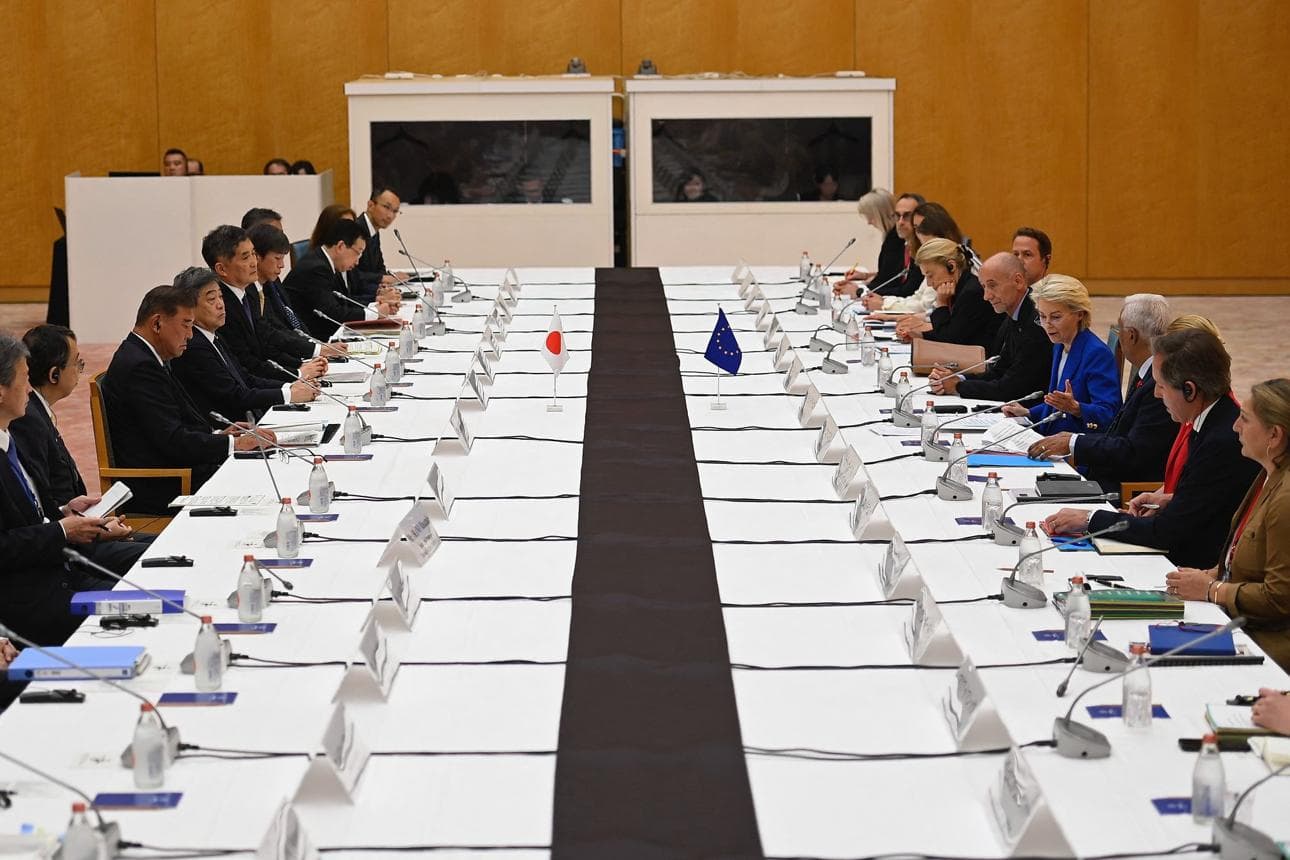
Osaka: Two advanced economies that once competed for the same export markets now find themselves needing each other’s laboratories. Europe and Japan have spent the past year turning a broad political friendship into concrete research and industrial cooperation, convinced that neither can match China’s scale alone but that together they might stay ahead in the technologies that define the next decade.

The framework runs through the competitiveness partnership their leaders launched in 2025 and the high-level economic dialogue their ministers held in Brussels this spring. Beneath the diplomatic language sits a practical agenda: batteries, robotics, biotechnology, semiconductors, hydrogen and offshore wind, the fields where research budgets are vast and no single country holds every advantage.

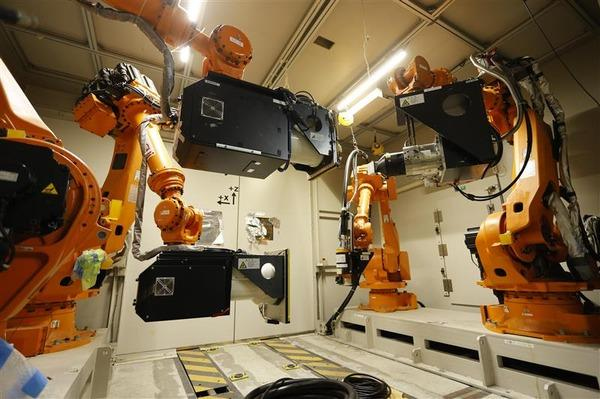
Japan brings formidable strengths to the table. Its firms lead in industrial robotics, precision manufacturing and materials science, disciplines where patient engineering counts for more than viral breakthroughs. Osaka’s factories and research institutes embody that tradition, and European partners want access to expertise that decades of underinvestment left thin on their own side.

Europe offers something Japan values in return. The bloc runs one of the world’s largest research programmes, sets global standards that others must follow, and gives Japanese companies a stable, rules-based market at a moment when the wider trading system feels unpredictable. Shared standards on data, safety and green technology can lock in advantages that raw spending cannot buy.

The shadow over both is the same. China now graduates more engineers, files more patents and subsidises more champions than either Europe or Japan can rival, and it has shown it will restrict exports of critical inputs when politics demands. Pooling research is partly a defensive move, an attempt to avoid a future in which both partners depend on a competitor for the tools of their own industries.

Officials in Tokyo and Brussels describe the effort in the language of resilience rather than confrontation. They speak of joint projects, matched funding and researchers moving freely between institutions, and they point to the deepening ties as proof that like-minded economies can build alternatives to Chinese supply. The rhetoric is careful, but the intent is unmistakable.

Turning intent into results will test both bureaucracies. Research collaboration sounds effortless in a communique and proves maddening in practice, tangled in intellectual-property rules, funding cycles and the simple friction of distance. A shared laboratory needs more than goodwill; it needs money that survives changes of government and patience that survives slow returns.

Still, the direction of travel is set. Europe and Japan have decided that competing separately against a giant is a losing game, and that their best defence is a partnership of laboratories, factories and standards. Whether it delivers the breakthroughs they promise will shape not only their economies but their standing in a century that China intends to lead.