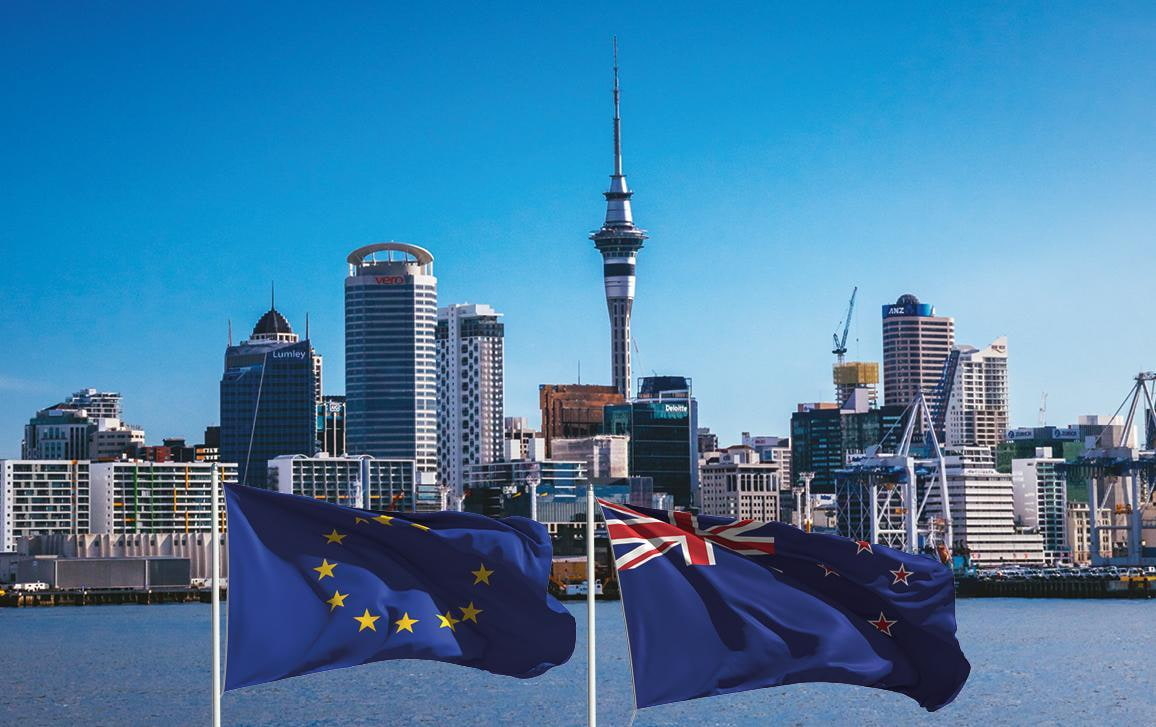
Auckland: Europe’s map of strategic partners keeps drifting south. A continent that once measured its maritime interests by the Mediterranean and the North Sea now talks about the Southern Ocean, and one of its most reliable guides to those waters is a country of five million people at the bottom of the world.
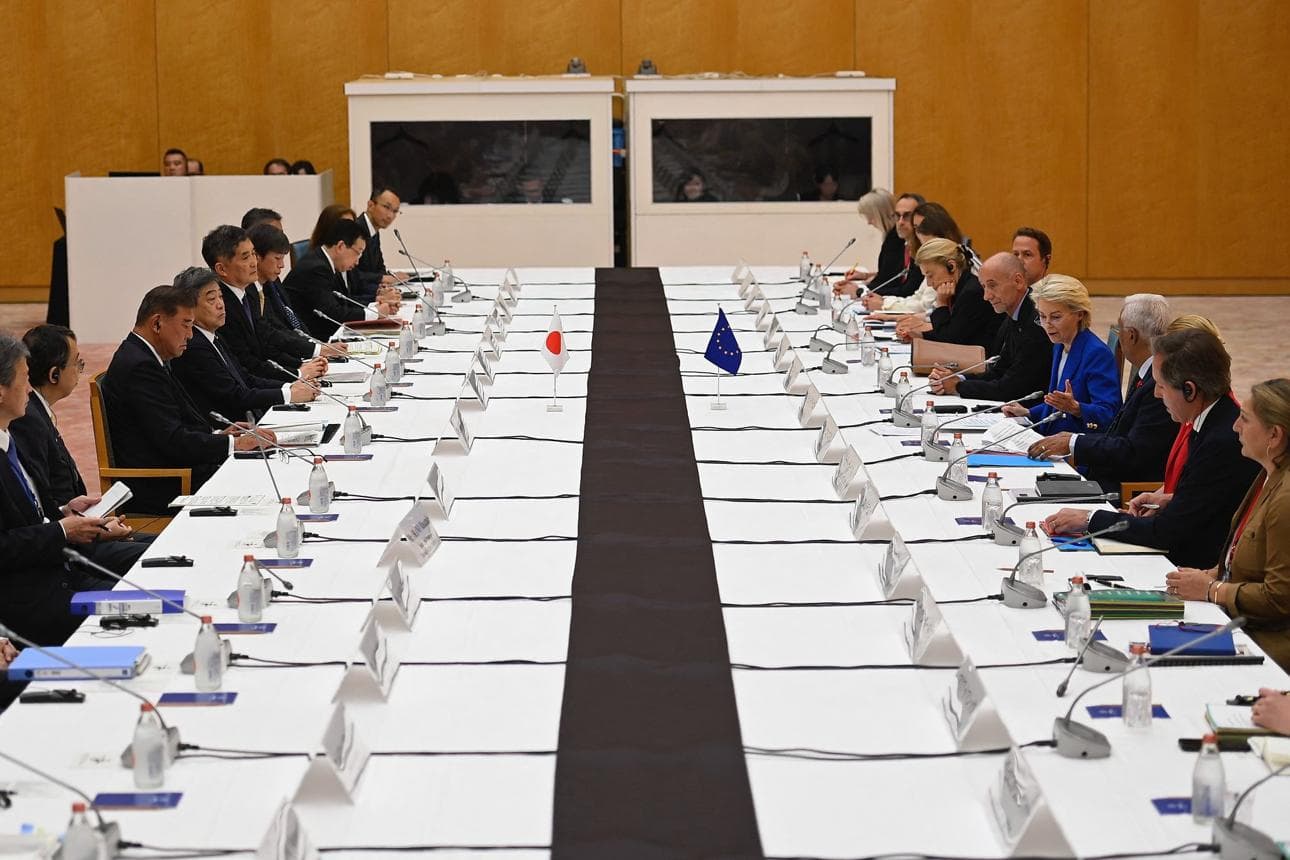
New Zealand has become an unlikely fixture in the EU’s Indo-Pacific strategy. The two share a free-trade agreement that entered force in 2024, a security framework that lets Wellington join EU crisis missions, and a standing dialogue on the issue that increasingly binds them together: the health of the ocean itself.
That focus is deliberate. Brussels launched a European Ocean Pact in 2025 to knit together the fragmented rules governing fishing, pollution and the blue economy. New Zealand, whose exclusive economic zone ranks among the largest on the planet, offers Europe something it cannot generate at home, namely decades of experience managing vast, remote fisheries and negotiating the multilateral bodies that police the high seas.
The cooperation is turning practical. Since January, every consignment of fish entering the European market must carry a digital catch certificate designed to keep illegally caught seafood off European plates. Systems like that only work if distant partners share data and enforcement, and New Zealand has spent years building the traceability tools that make such schemes credible.
The stakes reach well beyond fish stocks. The Pacific is where climate change, resource competition and great-power rivalry now converge, and Europe cannot project influence there through warships alone. Working with a trusted local democracy lets Brussels support the rules-based order it prizes without pretending to be a Pacific power in its own right.
New Zealand gains its own leverage. Aligning with the EU on ocean governance and sustainable fisheries gives Wellington a heavyweight partner as it presses larger neighbours to respect maritime law, and it diversifies a foreign policy long anchored to a handful of traditional allies.
The limits are real. Europe’s attention is finite, its naval presence in the region thin, and its Ocean Pact still largely a statement of intent rather than a set of enforced commitments. Ambitious language about the blue economy has a way of evaporating when budgets tighten and closer crises demand attention.
Yet the logic of the partnership keeps strengthening. As the contest over who writes the rules of the sea intensifies, Europe needs partners who know the water. New Zealand, quietly and without much fanfare, has become one of the most valuable it has.