August 12, 2026
LATEST
Minimum Wages Climb Fastest in Eastern Europe, Data ShowsEurope’s Electrification Plan Aims to Slash Fossil Fuel BillsCouncil Clears Fertiliser Aid to Shield Struggling EU FarmersCan Europe Court Beijing and Contain It at the Same Time?Korean Tanks Fill the Gaps Europe Cannot Arm Fast EnoughAustralia Becomes Europe’s Answer to China’s Mineral GripEurope and Japan Bet on Shared Labs to Outpace ChinaWhy Europe and South Korea Rewrote the Rules of Digital TradeNew Zealand Helps Europe Anchor Its Ambitions Across the PacificCompetitiveness Fund Faces Its First Real Test of DeliveryHorizon Europe Rolls Out Its 14 Billion Research PushCERV Programme Grants Target Civic Space Under StrainEurope’s Firefighting Fleet Faces Its Worst Season on RecordAI Gigafactories Draw a 30 Billion Euro Bid to Rival the USRail Passengers Win Full Rights on Multi-Leg TripsEuropean Universities Face a Budget and Reform TestTobacco Rules Face a Sweeping Reset as Vaping SurgesRiyadh Summit Tests Europe’s New Bet on the GulfEurope Pours Millions Into a Sudan Crisis It Cannot ReachBrussels Braces for a Bruising Fight Over Its New Space Act RulesMinimum Wages Climb Fastest in Eastern Europe, Data ShowsEurope’s Electrification Plan Aims to Slash Fossil Fuel BillsCouncil Clears Fertiliser Aid to Shield Struggling EU FarmersCan Europe Court Beijing and Contain It at the Same Time?Korean Tanks Fill the Gaps Europe Cannot Arm Fast EnoughAustralia Becomes Europe’s Answer to China’s Mineral GripEurope and Japan Bet on Shared Labs to Outpace ChinaWhy Europe and South Korea Rewrote the Rules of Digital TradeNew Zealand Helps Europe Anchor Its Ambitions Across the PacificCompetitiveness Fund Faces Its First Real Test of DeliveryHorizon Europe Rolls Out Its 14 Billion Research PushCERV Programme Grants Target Civic Space Under StrainEurope’s Firefighting Fleet Faces Its Worst Season on RecordAI Gigafactories Draw a 30 Billion Euro Bid to Rival the USRail Passengers Win Full Rights on Multi-Leg TripsEuropean Universities Face a Budget and Reform TestTobacco Rules Face a Sweeping Reset as Vaping SurgesRiyadh Summit Tests Europe’s New Bet on the GulfEurope Pours Millions Into a Sudan Crisis It Cannot ReachBrussels Braces for a Bruising Fight Over Its New Space Act Rules
August 12, 2026
LATEST
Minimum Wages Climb Fastest in Eastern Europe, Data ShowsEurope’s Electrification Plan Aims to Slash Fossil Fuel BillsCouncil Clears Fertiliser Aid to Shield Struggling EU FarmersCan Europe Court Beijing and Contain It at the Same Time?Korean Tanks Fill the Gaps Europe Cannot Arm Fast EnoughAustralia Becomes Europe’s Answer to China’s Mineral GripEurope and Japan Bet on Shared Labs to Outpace ChinaWhy Europe and South Korea Rewrote the Rules of Digital TradeNew Zealand Helps Europe Anchor Its Ambitions Across the PacificCompetitiveness Fund Faces Its First Real Test of DeliveryHorizon Europe Rolls Out Its 14 Billion Research PushCERV Programme Grants Target Civic Space Under StrainEurope’s Firefighting Fleet Faces Its Worst Season on RecordAI Gigafactories Draw a 30 Billion Euro Bid to Rival the USRail Passengers Win Full Rights on Multi-Leg TripsEuropean Universities Face a Budget and Reform TestTobacco Rules Face a Sweeping Reset as Vaping SurgesRiyadh Summit Tests Europe’s New Bet on the GulfEurope Pours Millions Into a Sudan Crisis It Cannot ReachBrussels Braces for a Bruising Fight Over Its New Space Act RulesMinimum Wages Climb Fastest in Eastern Europe, Data ShowsEurope’s Electrification Plan Aims to Slash Fossil Fuel BillsCouncil Clears Fertiliser Aid to Shield Struggling EU FarmersCan Europe Court Beijing and Contain It at the Same Time?Korean Tanks Fill the Gaps Europe Cannot Arm Fast EnoughAustralia Becomes Europe’s Answer to China’s Mineral GripEurope and Japan Bet on Shared Labs to Outpace ChinaWhy Europe and South Korea Rewrote the Rules of Digital TradeNew Zealand Helps Europe Anchor Its Ambitions Across the PacificCompetitiveness Fund Faces Its First Real Test of DeliveryHorizon Europe Rolls Out Its 14 Billion Research PushCERV Programme Grants Target Civic Space Under StrainEurope’s Firefighting Fleet Faces Its Worst Season on RecordAI Gigafactories Draw a 30 Billion Euro Bid to Rival the USRail Passengers Win Full Rights on Multi-Leg TripsEuropean Universities Face a Budget and Reform TestTobacco Rules Face a Sweeping Reset as Vaping SurgesRiyadh Summit Tests Europe’s New Bet on the GulfEurope Pours Millions Into a Sudan Crisis It Cannot ReachBrussels Braces for a Bruising Fight Over Its New Space Act Rules

Australia Becomes Europe’s Answer to China’s Mineral Grip

Perth: The clean-energy transition that Europe wants runs through rock that Europe does not have. Lithium, rare earths, manganese and the rest of the periodic table’s strategic corner sit largely under other countries’ soil, and most of the processing sits in China. In Western Australia’s mining capital, European officials are betting that a democratic ally with deep reserves can loosen that grip.

The wager took shape in a strategic partnership on critical minerals that the European Union and Australia spent years negotiating before finalising the framework earlier in 2026. It commits both sides to building supply chains they describe as secure, ethical and sustainable, and it pairs Australian extraction with European demand for batteries, magnets and the components that defence and clean-tech industries cannot do without.

The strategic logic is blunt. China controls a commanding share of the world’s lithium processing and dominates the refining of several other critical minerals, which hands Beijing a lever it has already shown willingness to pull. Australia offers Europe a way to diversify without lecturing anyone about labour or environmental standards, because the two partners broadly share them.

Money is starting to follow the paperwork. The memorandum underpinning the partnership envisions joint studies, project matchmaking and investment in mines and refineries alike. Australian officials project tens of thousands of jobs across mining regions over the next five years, a domestic dividend that makes the diplomacy easier to sell at home.

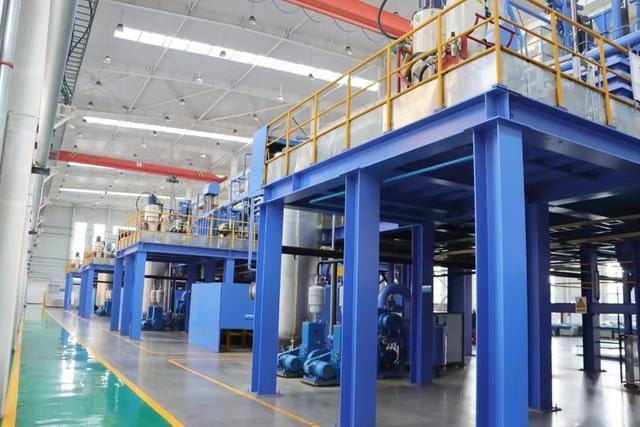
Yet the obstacles are real, and Perth’s engineers name them readily. Processing minerals is dirty, capital-hungry work, and Australia has long shipped its ore abroad rather than refine it at home. Building the plants that would let Europe buy finished material rather than raw dirt demands patient investment and prices that can survive a Chinese decision to flood the market and crush new rivals.

Europe has tried to answer that risk through its own rules. The bloc’s raw-materials law sets targets for extraction, processing and recycling on European soil, and it leans on partnerships like the Australian one to cover the gap between ambition and geology. Price floors, offtake guarantees and public financing are all on the table, borrowed from the playbook Europe once mocked as industrial policy.

The Australian relationship also carries a quieter security dimension. Rare-earth magnets power not only wind turbines and electric motors but missiles, radar and fighter jets, which means mineral policy is now defence policy. A supply chain that runs from a stable ally rather than a strategic rival looks, to European planners, like insurance against a future squeeze.

None of this dislodges China overnight. Beijing’s dominance took decades to build and will not unravel because two governments signed a memorandum. But Perth is where Europe is testing whether friendship and investment can, over time, buy back some of the freedom that dependence quietly took away.