August 12, 2026
LATEST
Temu Faces EU Penalty Threat Over Blocked Subsidy ChecksBanks Set for Simpler ESG Disclosure Under New EBA PlanMinimum Wages Climb Fastest in Eastern Europe, Data ShowsEurope’s Electrification Plan Aims to Slash Fossil Fuel BillsCouncil Clears Fertiliser Aid to Shield Struggling EU FarmersCan Europe Court Beijing and Contain It at the Same Time?Korean Tanks Fill the Gaps Europe Cannot Arm Fast EnoughAustralia Becomes Europe’s Answer to China’s Mineral GripEurope and Japan Bet on Shared Labs to Outpace ChinaWhy Europe and South Korea Rewrote the Rules of Digital TradeNew Zealand Helps Europe Anchor Its Ambitions Across the PacificCompetitiveness Fund Faces Its First Real Test of DeliveryHorizon Europe Rolls Out Its 14 Billion Research PushCERV Programme Grants Target Civic Space Under StrainEurope’s Firefighting Fleet Faces Its Worst Season on RecordAI Gigafactories Draw a 30 Billion Euro Bid to Rival the USRail Passengers Win Full Rights on Multi-Leg TripsEuropean Universities Face a Budget and Reform TestTobacco Rules Face a Sweeping Reset as Vaping SurgesRiyadh Summit Tests Europe’s New Bet on the GulfTemu Faces EU Penalty Threat Over Blocked Subsidy ChecksBanks Set for Simpler ESG Disclosure Under New EBA PlanMinimum Wages Climb Fastest in Eastern Europe, Data ShowsEurope’s Electrification Plan Aims to Slash Fossil Fuel BillsCouncil Clears Fertiliser Aid to Shield Struggling EU FarmersCan Europe Court Beijing and Contain It at the Same Time?Korean Tanks Fill the Gaps Europe Cannot Arm Fast EnoughAustralia Becomes Europe’s Answer to China’s Mineral GripEurope and Japan Bet on Shared Labs to Outpace ChinaWhy Europe and South Korea Rewrote the Rules of Digital TradeNew Zealand Helps Europe Anchor Its Ambitions Across the PacificCompetitiveness Fund Faces Its First Real Test of DeliveryHorizon Europe Rolls Out Its 14 Billion Research PushCERV Programme Grants Target Civic Space Under StrainEurope’s Firefighting Fleet Faces Its Worst Season on RecordAI Gigafactories Draw a 30 Billion Euro Bid to Rival the USRail Passengers Win Full Rights on Multi-Leg TripsEuropean Universities Face a Budget and Reform TestTobacco Rules Face a Sweeping Reset as Vaping SurgesRiyadh Summit Tests Europe’s New Bet on the Gulf
August 12, 2026
LATEST
Temu Faces EU Penalty Threat Over Blocked Subsidy ChecksBanks Set for Simpler ESG Disclosure Under New EBA PlanMinimum Wages Climb Fastest in Eastern Europe, Data ShowsEurope’s Electrification Plan Aims to Slash Fossil Fuel BillsCouncil Clears Fertiliser Aid to Shield Struggling EU FarmersCan Europe Court Beijing and Contain It at the Same Time?Korean Tanks Fill the Gaps Europe Cannot Arm Fast EnoughAustralia Becomes Europe’s Answer to China’s Mineral GripEurope and Japan Bet on Shared Labs to Outpace ChinaWhy Europe and South Korea Rewrote the Rules of Digital TradeNew Zealand Helps Europe Anchor Its Ambitions Across the PacificCompetitiveness Fund Faces Its First Real Test of DeliveryHorizon Europe Rolls Out Its 14 Billion Research PushCERV Programme Grants Target Civic Space Under StrainEurope’s Firefighting Fleet Faces Its Worst Season on RecordAI Gigafactories Draw a 30 Billion Euro Bid to Rival the USRail Passengers Win Full Rights on Multi-Leg TripsEuropean Universities Face a Budget and Reform TestTobacco Rules Face a Sweeping Reset as Vaping SurgesRiyadh Summit Tests Europe’s New Bet on the GulfTemu Faces EU Penalty Threat Over Blocked Subsidy ChecksBanks Set for Simpler ESG Disclosure Under New EBA PlanMinimum Wages Climb Fastest in Eastern Europe, Data ShowsEurope’s Electrification Plan Aims to Slash Fossil Fuel BillsCouncil Clears Fertiliser Aid to Shield Struggling EU FarmersCan Europe Court Beijing and Contain It at the Same Time?Korean Tanks Fill the Gaps Europe Cannot Arm Fast EnoughAustralia Becomes Europe’s Answer to China’s Mineral GripEurope and Japan Bet on Shared Labs to Outpace ChinaWhy Europe and South Korea Rewrote the Rules of Digital TradeNew Zealand Helps Europe Anchor Its Ambitions Across the PacificCompetitiveness Fund Faces Its First Real Test of DeliveryHorizon Europe Rolls Out Its 14 Billion Research PushCERV Programme Grants Target Civic Space Under StrainEurope’s Firefighting Fleet Faces Its Worst Season on RecordAI Gigafactories Draw a 30 Billion Euro Bid to Rival the USRail Passengers Win Full Rights on Multi-Leg TripsEuropean Universities Face a Budget and Reform TestTobacco Rules Face a Sweeping Reset as Vaping SurgesRiyadh Summit Tests Europe’s New Bet on the Gulf

Europe Ends Its 150 Euro Break and Adds a Flat Parcel Duty

Brussels: For two decades, anything shipped into the European Union worth 150 euro or less crossed the customs line without paying a cent in duty. That era closes on 1 July 2026, when a flat parcel duty of 3 euro replaces the old exemption and rewrites the economics of cross-border e-commerce for hundreds of millions of shoppers.

The change looks small on any single order. Multiplied across the billions of low-value parcels that entered the bloc last year, most of them from Asian marketplaces, it becomes one of the most consequential trade-policy shifts of the year.

Why the exemption finally collapsed

The 150 euro threshold was designed for a slower age of mail order. It assumed modest volumes and honest declarations. Neither assumption survived the rise of ultra-cheap online platforms that ship directly from Asian warehouses to European doorsteps.

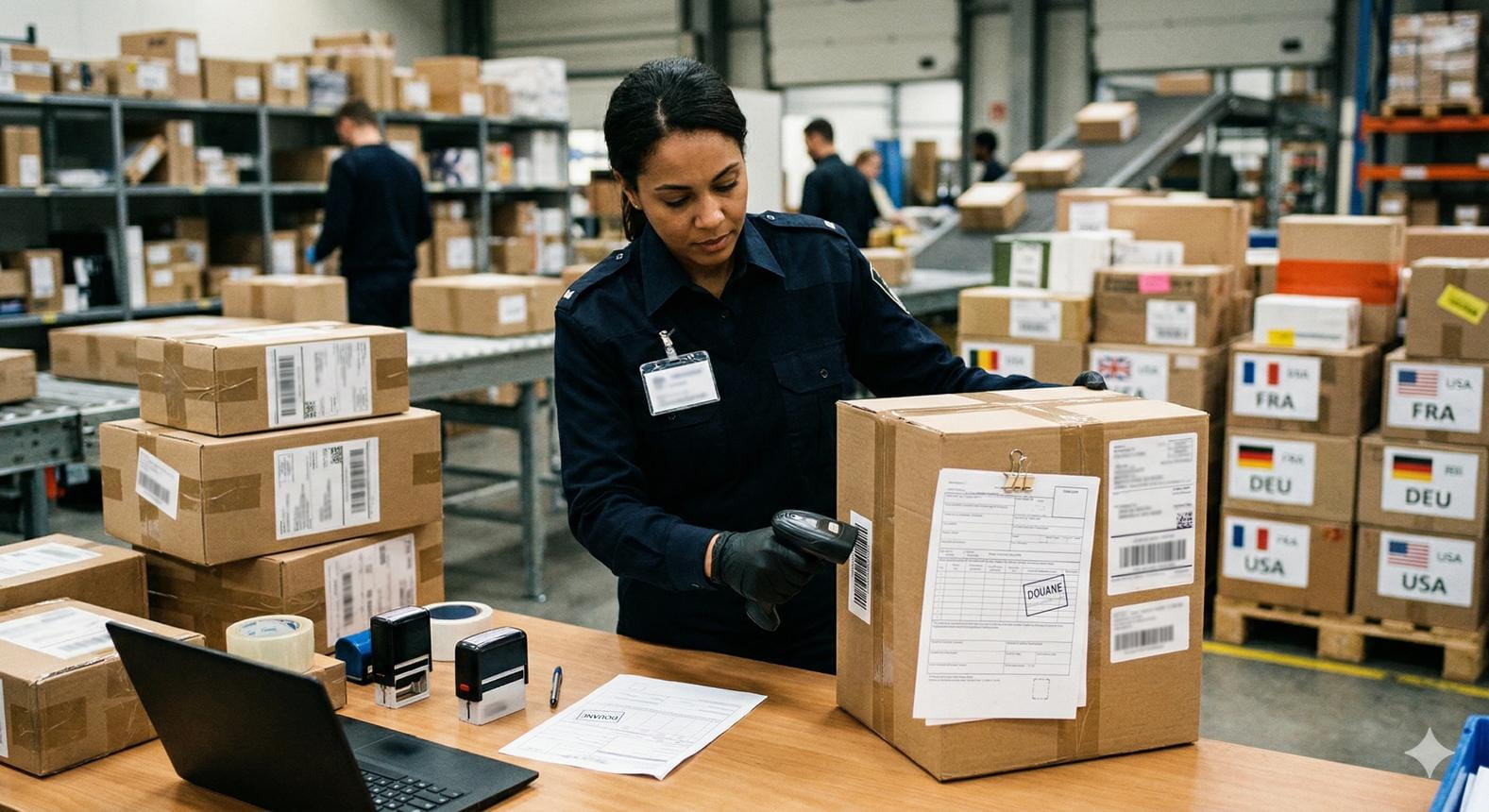
Customs officers watched volumes explode while revenue stayed flat. Retailers inside the single market complained that importers routinely under-declared parcel values to stay under the line, undercutting shops that pay VAT and duty in full. The Council gave final approval to abolish the exemption in February 2026, framing the move as a matter of fair competition rather than protectionism.

The Commission has published guidance and legal text confirming that the flat parcel duty will run as an interim measure until 1 July 2028.

What comes after the flat fee

The 3 euro charge is a bridge, not a destination. From 2028, standard tariffs will apply to low-value goods, and the duty a shopper pays will depend on the product, its HS classification, and its country of origin. A separate handling fee of roughly 2 euro per parcel is expected later in 2026.

The deeper reform sits underneath these numbers. Brussels is building a central EU Customs Data Hub, due to go live around 2028, that will pool declarations from every member state and let authorities screen shipments through shared risk analysis rather than 27 separate national systems.

That architecture matters more than the fee. It shifts customs from a paper-heavy, border-by-border process toward a single digital layer that treats the marketplace, not just the courier, as responsible for accurate data.

The practical effects will land unevenly. Large platforms with sophisticated logistics can absorb the parcel duty and pass it to customers as a line item. Small sellers and drop-shippers who built their margins on the old exemption face a harder adjustment. Consumers, for their part, will see prices on cheap imports edge up and delivery paperwork grow.

Critics warn that a flat fee is blunt. It charges the same 3 euro on a cheap phone case and a mid-priced jacket, which looks regressive at the low end. Supporters counter that the interim design buys time to switch on the data hub without paralysing customs desks that already handle billions of packages.

The reform also carries a geopolitical charge. By ending an exemption that overwhelmingly benefited a handful of Asian marketplaces, the Union signals that access to its single market now comes with obligations to declare, pay, and comply. Whether the 3 euro parcel duty nudges shopping habits or simply becomes an accepted cost of convenience will become clear over the second half of 2026.